











[ad_1]
Although rates of smoking and smoking-related cancers have declined in the United States in recent years, some people may be at higher risk for cigarette use and nicotine addiction and could therefore gain significant benefits from tobacco prevention and cessation programs. New research published in the journal Cancer indicates that the prevalence of smoking in underserved communities is nearly double the national prevalence, and that smoking is linked with mental health conditions and substance use disorders in these communities.
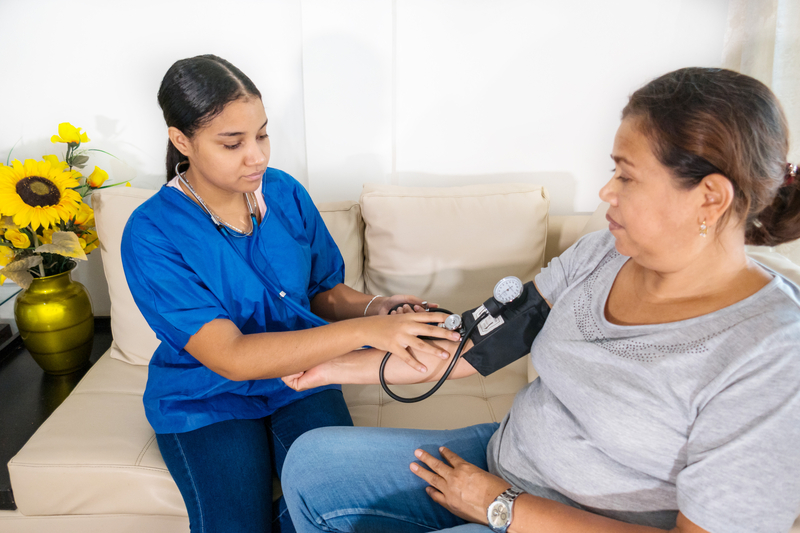
For the study, Sue C. Lin, PhD, MS, of the Health Resources and Services Administration within the US Department of Health and Human Services, analyzed results from the 2014 Health Center Patient Survey to assess the prevalence of smoking among adults from underserved communities who received primary care at federally qualified health centers. These centers serve individuals and families from underserved communities including people experiencing homelessness, agricultural workers, and residents of public housing. The team also examined associations of smoking with co-occurring mental health conditions and substance use disorders.
Among the major findings:
- The prevalence of smoking among adults from underserved communities was 28.1%, compared with 14.0% reported in the general US population.
- Among those who currently smoked, 59.1% had depression and 45.4% had anxiety.
- Non-Hispanic Black adults who smoked had more than two times the odds of reporting substance use disorders.
- Individuals at or below 100% of the federal poverty level had more than two times the odds of having mental health conditions, and those who were unemployed had more than three times the odds for substance use disorders.
“Our study underscores the importance of understanding the association and increased risk of mental health conditions and substance use disorders among adults from underserved communities who smoke while also addressing socioeconomic risk factors to achieve better health outcomes,” said Dr. Lin. “The study further highlights the significance of tailored smoking cessation treatments for individuals from underserved communities that will support cancer prevention care.”
[ad_2]
Source link
Trending Topics

Features
- Drive Toolkit
Download and distribute powerful vaccination QI resources for your community.
- Health Champions
Sign up now to support health equity and sustainable health outcomes in your community.
- Cancer Early Detection
MCED tests use a simple blood draw to screen for many kinds of cancer at once.
- PR
FYHN is a bridge connecting health information providers to BIPOC communities in a trusted environment.
- Medicare
Discover an honest look at our Medicare system.
- Alliance for Representative Clinical Trials
ARC was launched to create a network of community clinicians to diversify and bring clinical trials to communities of color and other communities that have been underrepresented.
- Reducing Patient Risk
The single most important purpose of our healthcare system is to reduce patient risk for an acute event.
- Jessica Wilson
- Victor Mejia
- Jessica Wilson