








Socioeconomic Status and Ethnicity Impact Pediatric Bone Cancer Outcomes

[ad_1]

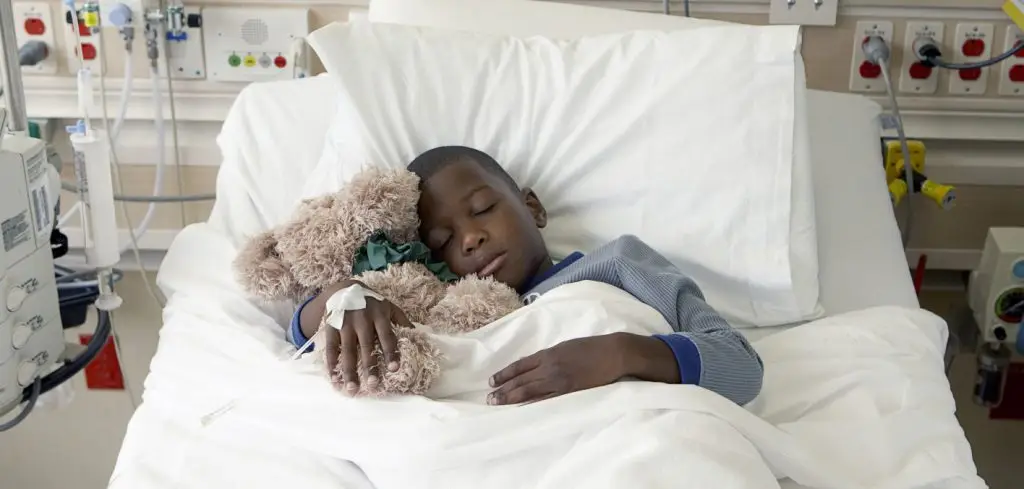
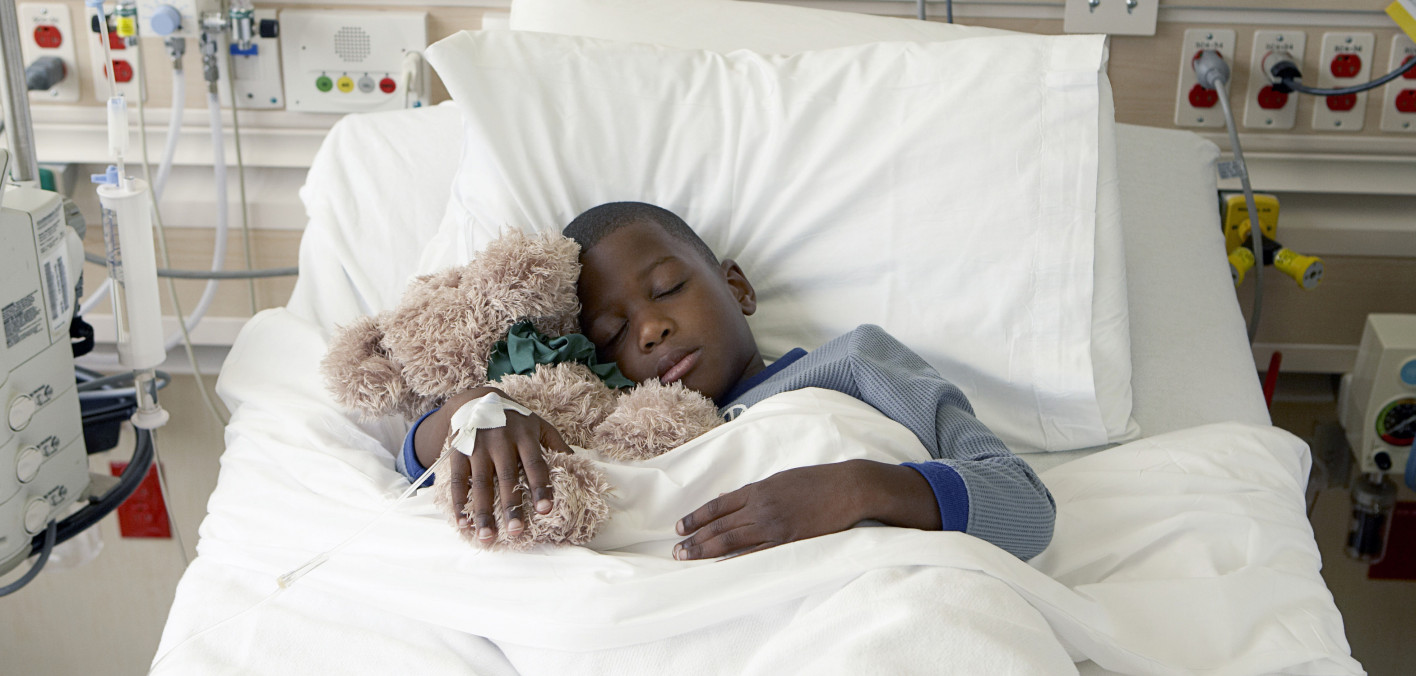
Pediatric osteosarcoma patients who are Hispanic or live in areas of high language isolation are more likely to have metastatic disease at the time of diagnosis, recently publish research shows.

The research, led by University of Colorado Cancer Center member Adam Green, MD, an associate professor of pediatric hematology and oncology in the CU School of Medicine, also showed that regardless of metastatic status, pediatric osteosarcoma (OST) patients with public insurance had increased odds of death compared to those who have private insurance.

Further, the research shows that adolescent Ewing sarcoma (ES) patients who are non-white had higher odds of death compared with white patients. Adolescents with metastatic ES who live in higher poverty areas had increased odds of death compared with those living in less impoverished areas.

These findings are significant because OST and ES are the first- and second-most common bone cancers in children. While socioeconomic and demographic disparities in cancer diagnosis and outcomes have been deeply documented, they continue to have a significant impact on children and families living with a bone cancer diagnosis.

“As a clinician, I’ve seen some cases where children and adolescents present very late with bone tumors,” explains Green, attending physician at Children’s Hospital Colorado. “That made us wonder whether there are specific socioeconomic or demographic factors that may be impacting their presentation and outcomes and if there are, how we can be better addressing those disparities.”

Understanding Disparities

Green has long been interested in how socioeconomic status, race, and ethnicity affect outcomes, and has previously contributed to research studying those factors in retinoblastoma, or eye tumor, outcomes.

“Retinoblastomas mostly occur in babies, so we were interested in looking at the opposite end of the spectrum and most bone cancer patients are adolescents,” Green says. “We know youth and adolescence have specific challenges in terms of medical care — kids are a bit more independent and have some increased responsibility to report symptoms to their parents or doctors, which can be a challenge.”

Green and his co-researchers analyzed data from the National Cancer Institute’s Surveillance, Epidemiology, and End Results (SEER) Program, which is a database designed to represent the geographic diversity of the United States. They analyzed the data for the existence of disparities in pediatric OST and ES patients, and then looked at pre- and post-diagnostic issues, including the stage of disease at which the patient presented and survival outcomes.

They found that Hispanic children diagnosed with ES without metastasis had increased odds of death compared with non-Hispanic children. Further, they found that living in a disadvantaged county by poverty level was associated with 4.5-fold increased odds of death for adolescents with non-metastatic OST.

Getting the Treatment They Need

The findings aligned with the research hypothesis that demographic and socioeconomic risk factors are associated with both a greater likelihood of metastatic disease at diagnosis and poorer survival outcomes. One possible reason, especially in OST, is that barriers to care may increase the likelihood of metastatic disease at diagnosis.

Also, decreased English proficiency may be a barrier to diagnosis, leading to poorer outcomes, which may be supported by the difference noted for children in language-isolated populations that was not seen in adolescents. Adolescents are more likely to have developed English proficiency enough to communicate in a medical setting, even if their parents have not.

These findings are important insight for a new research protocol, recently opened through the CU Cancer Center, in which Green and co-researchers are surveying healthy teenagers about their understanding of childhood cancer and its symptoms “so we can see whether there are other specific groups or factors that make kids less likely to understand the kinds of symptoms they should report to a parent or medical professional,” he says. “Are there ways that we can better educate teenagers in general?

“I think often kids are either confused or scared, and one of the misconceptions that we worry about is that kids may be thinking if they have cancer they are going to die no matter what, so if they ignore symptoms they can ignore the problem as long as possible. But one of the things we know about bone tumors is that if they present early, they are very curable. So, we need to not only be working to understand what kids know about cancer, but how we can more systematically address disparities so that every child is able to feel like they can say something and then get the treatment they need.”

This article was originally published March 17, 2023, by the University of Colorado Cancer Center. It is republished with permission.


[ad_2]

Source link
Trending Topics

Features

Download and distribute powerful vaccination QI resources for your community.

Sign up now to support health equity and sustainable health outcomes in your community.

MCED tests use a simple blood draw to screen for many kinds of cancer at once.

FYHN is a bridge connecting health information providers to BIPOC communities in a trusted environment.

Discover an honest look at our Medicare system.

ARC was launched to create a network of community clinicians to diversify and bring clinical trials to communities of color and other communities that have been underrepresented.

The single most important purpose of our healthcare system is to reduce patient risk for an acute event.

Related Posts
Health Equity Act Reintroduced to Expand Access
Senate Committee Advances 11 Health Care Access Bills
Cetirizine Recall: Check Your Allergy Medicine
Scroll to Top
Featured Articles
Sen. Alex Padilla speaks during the announcement of the Health Equity and Accountability Act of 2026, legislation aimed at reducing health disparities and expanding access to healthcare for underserved communities.
Health Equity Act Reintroduced to Expand Access
Senate HELP Committee advances bipartisan health care bills on insulin, biosimilars, rural care and price transparency.
Senate Committee Advances 11 Health Care Access Bills
Bottle and tablets representing the recall of some cetirizine 5 mg allergy medicine
Cetirizine Recall: Check Your Allergy Medicine
House Advances Bipartisan EARLY Act Reauthorization, Renewing Focus on Early Breast Cancer Detection for Young Women
House Advances Bipartisan EARLY Act Reauthorization, Renewing Focus on Early ...
Cyclospora Outbreak Linked to Lettuce Sickens 1,600+ fyh.news
Cyclospora Outbreak Linked to Recalled Lettuce Sickens More Than 1,600 Across...
How NMQF Advances Minority Health Through Data, Research and Health Access
Categories
AI
ATTR-CM
BIPOC News
Cancer
Clinical Trials
Covid19
Diseases of the Body
Environment
Health Data
Health Equity Events
Health Policy
Health Tips
Subscribe to our newsletter to receive our latest news​
All Stories
Sen. Alex Padilla speaks during the announcement of the Health Equity and Accountability Act of 2026, legislation aimed at reducing health disparities and expanding access to healthcare for underserved communities.
Health Equity Act Reintroduced to Expand Access
Senate HELP Committee advances bipartisan health care bills on insulin, biosimilars, rural care and price transparency.
Senate Committee Advances 11 Health Care Access Bills
Bottle and tablets representing the recall of some cetirizine 5 mg allergy medicine
Cetirizine Recall: Check Your Allergy Medicine
BIPOC News
Senate HELP Committee advances bipartisan health care bills on insulin, biosimilars, rural care and price transparency.
Senate Committee Advances 11 Health Care Access Bills
Bottle and tablets representing the recall of some cetirizine 5 mg allergy medicine
Cetirizine Recall: Check Your Allergy Medicine
How NMQF Advances Minority Health Through Data, Research and Health Access
Environment
UV Safety Awareness Month Raises Urgency on Skin Cancer Prevention and Sun Protection Equity
UV Safety Awareness Month Raises Urgency on Skin Cancer Prevention and Sun Pr...
Extreme Heat Safety Tips 5 Ways to Protect Your Health This Summer fyh.news
5 Heat Safety Tips That Could Protect Your Health This Summer
Lupus Awareness Event in Baltimore Aims to Support Research and Shine a Light on Health Disparities
Lupus Awareness Event in Baltimore Aims to Support Research and Shine a Light...
Work Force
A multigenerational Black and Hispanic family sitting together in a park, showing how Social Security helps support older adults, people with disabilities, and families across generations.
Millions of Older Americans Could Face Smaller Social Security Checks by 2032...
dreamstime_s_243253251
The Caregiver Journey: The Hidden Backbone of American Healthcare
Families gather at a Bronx community festival with live music, kids’ activities, and health booths sharing SOMOS social care resources and free screenings.
Celebrating Hispanic heritage while learning about health care

[xyz-ips snippet=”Output-Source-Name”]

Clinical Trials
House Advances Bipartisan EARLY Act Reauthorization, Renewing Focus on Early Breast Cancer Detection for Young Women
House Advances Bipartisan EARLY Act Reauthorization, Renewing Focus on Early ...
Early Cancer Detection Is Entering a New Era. Flint Is Helping Lead the Way.
Why Your “Ozempic” May Not Be Ozempic: FDA Warnings Highlight Growing Risks of Unregulated GLP-1 Drugs
Why Your “Ozempic” May Not Be Ozempic: FDA Warnings Highlight Growing Risks o...
Vaccines and Outbreaks
Cyclospora Outbreak Linked to Lettuce Sickens 1,600+ fyh.news
Cyclospora Outbreak Linked to Recalled Lettuce Sickens More Than 1,600 Across...
A parent checking a child's temperature during summer, illustrating the changing RSV patterns and year-round respiratory virus risks.
Can You Get RSV During the Summer?
Michelle Lam, MBA, of NYC Health + Hospitals/Elmhurst & Amy Harris of NYC Health + Hospitals/Elmhurst
Healthcare Leaders Spotlight Vaccine Equity and Adult Immunization Strategies...
Other Categories
AI
Read the latest AI News stories trending around the world
ATTR-CM
Cancer
Read the latest Cancer stories trending around the world
Covid19
Diseases of the Body
Read about the latest Diseases of the Body trending around the world
Friday Webinars
Every Friday, we bring you insightful webinars covering critical topics in healthcare, data equity, and policy reform.
Health Data
Read the latest Health Data stories trending around the world
Health Equity Events
Read the best Health Equity Events around the country.
Health Policy
Read the latest Health Policy stories trending around the world
Health Tips
Heart Health
Read the latest on Heart Health News, Stories and Tips.
kidney Health
Read more trending News about Kidney Health, Stories and Tips.