









[ad_1]
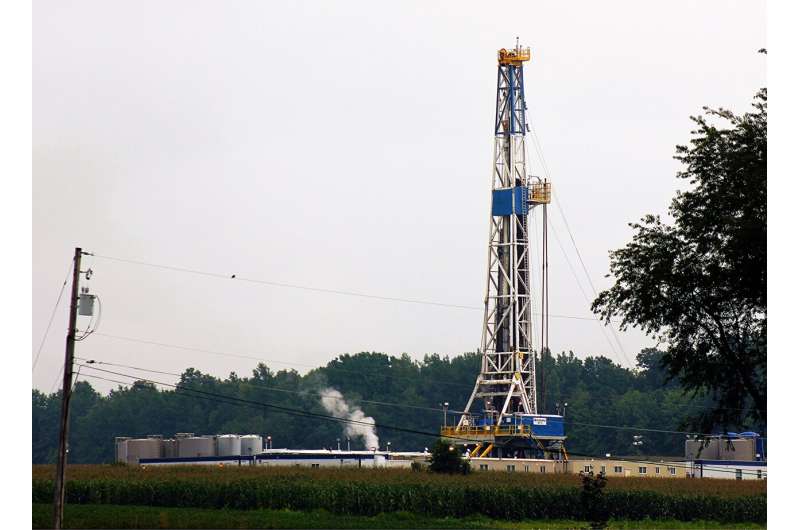
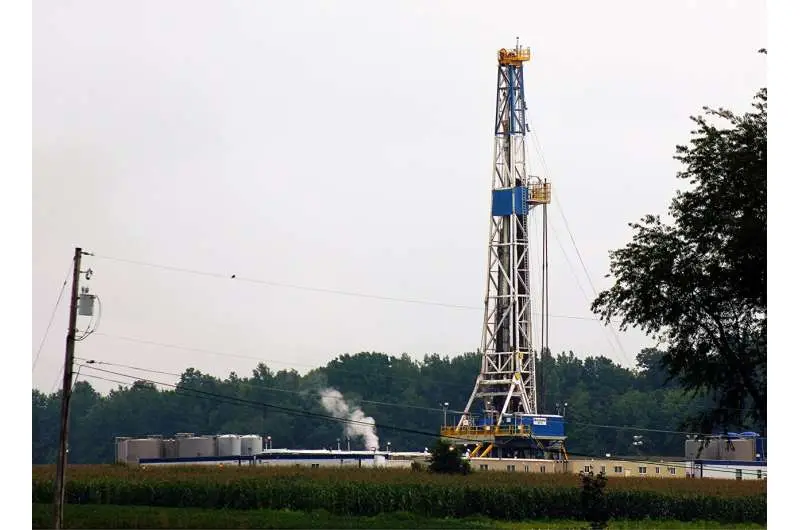
Communities with high proportions of lower-income and elderly people in rural areas are the most vulnerable to groundwater pollution from hydraulic fracturing in the Appalachian Basin, according to a new study in GeoHealth.
Hydraulic fracturing, or fracking, grew as a method for unconventional oil and gas drilling beginning in the early 2000s. Fracking breaks up bedrock with high-pressure water and additives; surface spills and aquifer leaks of these fluids and wastewater can release contaminants, such as heavy metals and volatile organic compounds, into groundwater.
“There’s still a lot of concern about the risk of groundwater contamination, given that many communities depend on groundwater wells for their daily needs,” said Mario Soriano, a hydrologist at Princeton University who led the study.
The last major EPA assessment of groundwater contamination risk from fracking came out in 2016, and one of its main conclusions was that there were too many data gaps to make clear connections between fracking, groundwater contamination and public health.
“This paper takes a big step in building a pathway not only between oil and gas drilling and a well, but also to a human being,” Tao Wen, a geochemist and hydrologist at Syracuse University who was not involved in the research. “Between groundwater and people there’s still a gap. I think that’s a big innovation in this study.”
The new study is the first to pair measures of socioeconomic vulnerability with groundwater modeling to assess disparities in risk of exposure to fracking-polluted water. The researchers focused on Pennsylvania, Ohio, and West Virginia, whose shale formations accounted for almost 40% of all shale-based gas production in the U.S. in 2022. The region is mostly rural and white.
Soriano modeled possible paths groundwater contaminants could take from known fracking sites to homes in the 104,000-square-kilometer (40,100-square-mile) study area. He found between 20,000 and 30,000 people depend on groundwater wells that were vulnerable to contamination from fracking. The researchers also carried out 210 interviews with residents between 2019 and 2020 to assess a household’s ability to mitigate well water contamination (e.g., purchasing bottled water, regularly testing water quality).
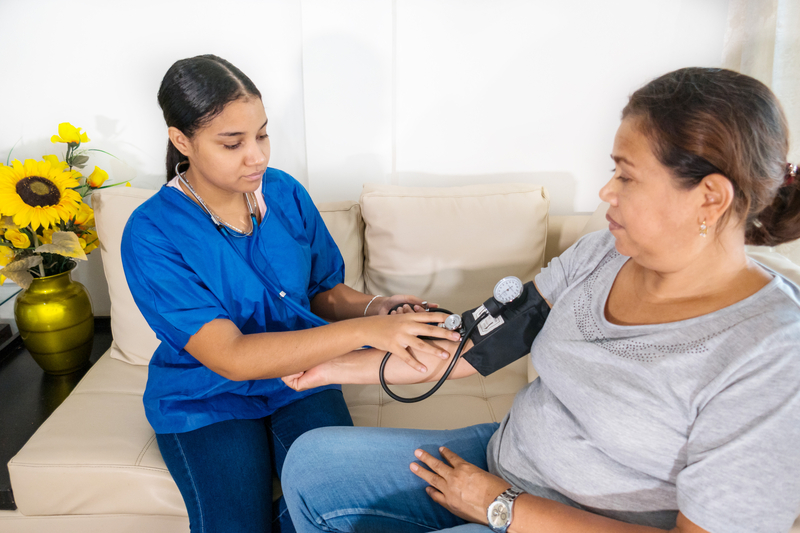
The researchers found communities with greater proportions of elderly residents had greater risk of groundwater contamination. Because older people can be more susceptible to health issues arising from environmental stressors, the impact of their potential exposure to polluted groundwater is higher.
Additionally, communities with more people living in mobile homes or group homes faced higher risk of groundwater contamination from fracking. Because these residents are not landowners who could lease mineral rights or may not be viewed as legitimate stakeholders, these residents bear environmental risk without benefits, the authors said.
“Our study adds to the growing body of evidence showing disparities in who bears the burden of risks posed by oil and gas development,” said co-author Nicole Deziel, an environmental epidemiologist at the Yale School of Public Health. “Our findings underscore the need to consider environmental justice when developing interventions to protect community health.”
Based on resident interviews, higher-income households were more likely to have access to mitigation strategies, such as water sources other than well water or at least one water treatment device. The modeling showed that communities with lower income per capita also faced greater risk.
Exploring whether incomes are suppressed in the study region because of the drilling or if they were low before drilling could be important for determining why certain populations face higher risks, Wen said. The dataset is ripe for additional study by the field, he added.
Increasing vulnerable populations’ access to mitigation strategies for contaminated groundwater, along with systemic monitoring of groundwater for contaminants, is key, Soriano said.
“The modeling we’ve developed here, where we’re predicting where contaminants are likely to end up in the environment after they’ve been released, could guide efforts of environmental sampling,” Soriano said.
More information:
Mario A. Soriano et al, Social Vulnerability and Groundwater Vulnerability to Contamination From Unconventional Hydrocarbon Extraction in the Appalachian Basin, GeoHealth (2023). DOI: 10.1029/2022GH000758
Citation:
Elderly, low-income residents most vulnerable to groundwater pollution from fracking in Appalachia (2023, April 13)
retrieved 13 April 2023
from https://medicalxpress.com/news/2023-04-elderly-low-income-residents-vulnerable-groundwater.html
This document is subject to copyright. Apart from any fair dealing for the purpose of private study or research, no
part may be reproduced without the written permission. The content is provided for information purposes only.
[ad_2]
Source link