











Finding Resources for Colorectal Cancer Screening

[ad_1]

This post was contributed by a community member. The views expressed here are the author’s own.

New Brunswick, N.J., March 1, 2022 –By raising awareness about colorectal cancer and minority health disparities, communities, organizations and health professionals can take action toward prevention and early detection. Anita Kinney, PhD, RN, FAAN, FABMR director of the Cancer Health Equity Center of Excellence at Rutgers School of Public Health and Rutgers Cancer Institute of New Jersey, associate director for Population Science and Community Outreach and Engagement at Rutgers Cancer Institute of New Jersey, professor of biostatistics and epidemiology at Rutgers School of Public Health and director of ScreenNJ, a statewide cancer screening program that aims to increase screening for colorectal and lung cancer, shares more about barriers and available resources.

Why screen?

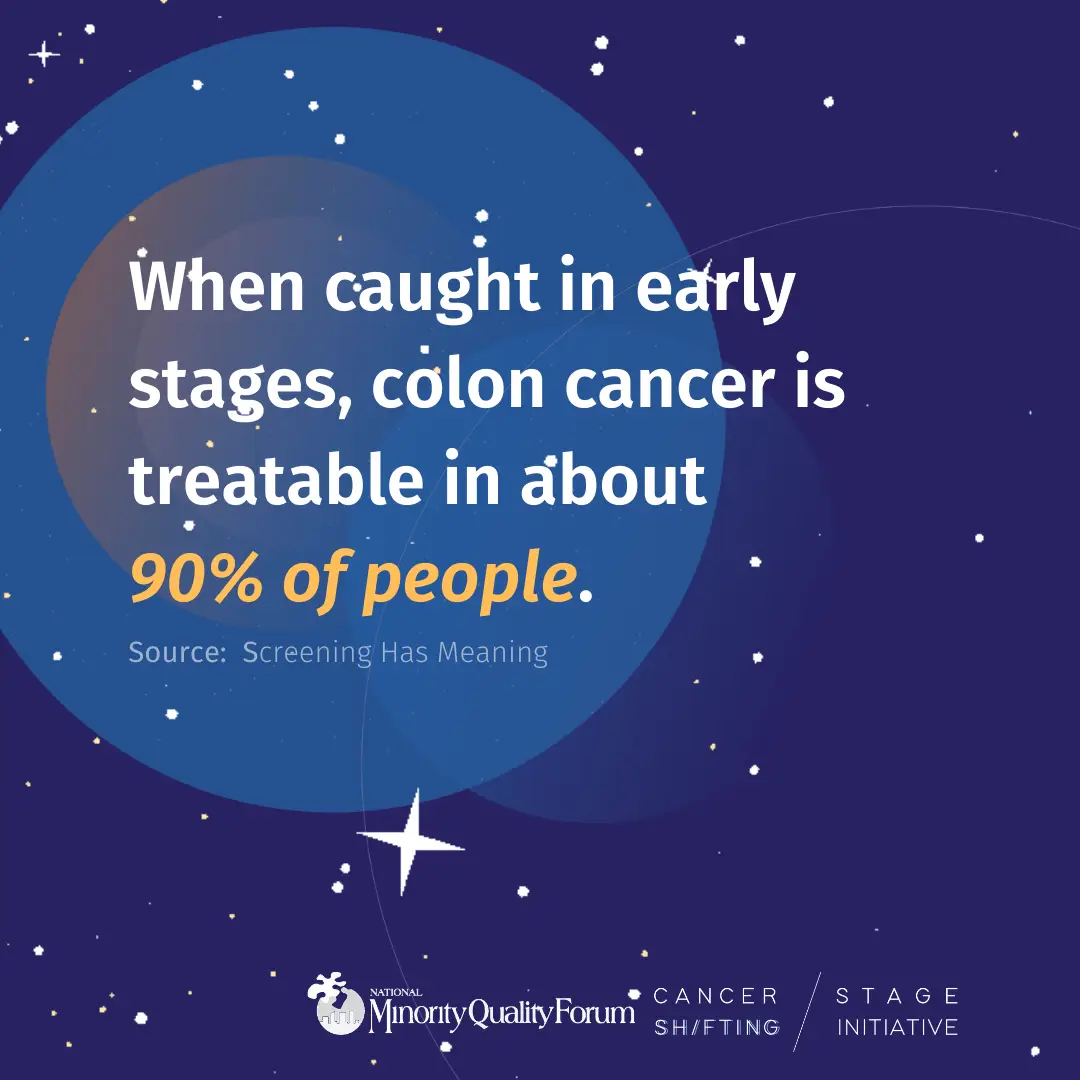
Screening saves lives. According to the American Cancer Society, colorectal cancer is the third most common type of cancer in both men and women, and is the second leading cause of cancer-related death in the U.S. Most colorectal cancers can be prevented through regular screening through detection and removal of polyps. It is typically recommended that colorectal cancer screening for men and women begin at age 45.

Find out what’s happening in New Brunswickwith free, real-time updates from Patch.

What resources are available and how do I learn more about them?

Whether through enhancing screening awareness, offering innovative treatments or developing new therapies through research, Rutgers Cancer Institute in partnership with RWJBarnabas Health remains a statewide resource that advances our understanding and treatment of colorectal cancer. To help reduce the incidence of colorectal cancer, ScreenNJ was developed under the leadership of Rutgers Cancer Institute in partnership with the New Jersey Department of Health. This resource can be utilized to find local colorectal (as well as lung) cancer screening programs and information about the types of testing and benefits.

Find out what’s happening in New Brunswickwith free, real-time updates from Patch.

Is there a link between colorectal cancer and racial disparities?

The National Cancer Institute’s latest Cancer Trends Progress Report shows that over the past decade, the overall rate of screening for colorectal cancer in the United States has slowly increased. Compared with non-Hispanic whites, screening rates have improved but still lag among Blacks and have remained low among Hispanics/Latinos. Colorectal cancer disproportionately affects people from low socioeconomic backgrounds and some racial minorities. These disparities may result from differences in exposure to risk factors such as unhealthy diet, limited access to screening, or lack of access to treatment or resources. Researchers at Rutgers Cancer Institute of New Jersey, and the Cancer Health Equity Center of Excellence in partnership with the Rutgers School of Public Health, address cancer health disparities through research and program initiatives.

Rutgers Cancer Institute in partnership with RWJBarnabas Health remains a statewide resource in advancing our understanding about colorectal cancer. Request a colorectal cancer screening appointment: rwjbh.org/colonscreening

The views expressed in this post are the author’s own. Want to post on Patch?

The rules of replying:

  • Be respectful. This is a space for friendly local discussions. No racist, discriminatory, vulgar or threatening language will be tolerated.
  • Be transparent. Use your real name, and back up your claims.
  • Keep it local and relevant. Make sure your replies stay on topic.
  • Review the Patch Community Guidelines.

[ad_2]

Source link

Trending Topics

Features

Download and distribute powerful vaccination QI resources for your community.

Sign up now to support health equity and sustainable health outcomes in your community.

MCED tests use a simple blood draw to screen for many kinds of cancer at once.

FYHN is a bridge connecting health information providers to BIPOC communities in a trusted environment.

Discover an honest look at our Medicare system.

ARC was launched to create a network of community clinicians to diversify and bring clinical trials to communities of color and other communities that have been underrepresented.

The single most important purpose of our healthcare system is to reduce patient risk for an acute event.

Related Posts
The Communities Most Burdened by Disease Should Be the First to Benefit from Artificial Intelligence
Black and Asian Cancer Patients Wait Longer for Pain Relief in New Study
What Is Cyclosporiasis? The Foodborne Illness Showing Up in the News
Scroll to Top
Featured Articles
The Communities Most Burdened by Disease Should Be the First to Benefit from Artificial Intelligence
The Communities Most Burdened by Disease Should Be the First to Benefit from ...
Cancer Pain Care Access Gap Hits Black, Asian Patients
Black and Asian Cancer Patients Wait Longer for Pain Relief in New Study
What Is Cyclosporiasis Symptoms, Food Safety, and Reasons
What Is Cyclosporiasis? The Foodborne Illness Showing Up in the News
Why Minority Mental Health Awareness Month Matters More Than Ever
From Childhood Cancer to Alzheimer’s and ALS Celebrity Health Stories Spark National Conversation on Disease, Caregiving, and Equity
From Childhood Cancer to Alzheimer’s and ALS Celebrity Health Stories Spark N...
Learn How NMQF Is Transforming Early Disease Detection in Flint
Categories
AI
ATTR-CM
BIPOC News
Cancer
Clinical Trials
Covid19
Diseases of the Body
Environment
Health Data
Health Equity Events
Health Policy
Health Tips
Subscribe to our newsletter to receive our latest news​
All Stories
The Communities Most Burdened by Disease Should Be the First to Benefit from Artificial Intelligence
The Communities Most Burdened by Disease Should Be the First to Benefit from ...
Cancer Pain Care Access Gap Hits Black, Asian Patients
Black and Asian Cancer Patients Wait Longer for Pain Relief in New Study
What Is Cyclosporiasis Symptoms, Food Safety, and Reasons
What Is Cyclosporiasis? The Foodborne Illness Showing Up in the News
BIPOC News
The Communities Most Burdened by Disease Should Be the First to Benefit from Artificial Intelligence
The Communities Most Burdened by Disease Should Be the First to Benefit from ...
Why Minority Mental Health Awareness Month Matters More Than Ever
From Childhood Cancer to Alzheimer’s and ALS Celebrity Health Stories Spark National Conversation on Disease, Caregiving, and Equity
From Childhood Cancer to Alzheimer’s and ALS Celebrity Health Stories Spark N...
Environment
UV Safety Awareness Month Raises Urgency on Skin Cancer Prevention and Sun Protection Equity
UV Safety Awareness Month Raises Urgency on Skin Cancer Prevention and Sun Pr...
Extreme Heat Safety Tips 5 Ways to Protect Your Health This Summer fyh.news
5 Heat Safety Tips That Could Protect Your Health This Summer
Lupus Awareness Event in Baltimore Aims to Support Research and Shine a Light on Health Disparities
Lupus Awareness Event in Baltimore Aims to Support Research and Shine a Light...
Work Force
A multigenerational Black and Hispanic family sitting together in a park, showing how Social Security helps support older adults, people with disabilities, and families across generations.
Millions of Older Americans Could Face Smaller Social Security Checks by 2032...
dreamstime_s_243253251
The Caregiver Journey: The Hidden Backbone of American Healthcare
Families gather at a Bronx community festival with live music, kids’ activities, and health booths sharing SOMOS social care resources and free screenings.
Celebrating Hispanic heritage while learning about health care

[xyz-ips snippet=”Output-Source-Name”]

Clinical Trials
Clinical Trial Diversity Remains a Critical Challenge in Alzheimer’s Research
Healthcare professional collecting a blood sample from a diverse patient as part of multicancer early detection screening.
Bridging the Gap: How Multicancer Early Detection Can Advance Health Equity i...
dreamstime_s_174488289
PCOS to PMOS: Why the 2026 Name Change Matters for Women’s Health

[xyz-ips snippet=”Output-Source-Name”]

Vaccines and Outbreaks
A parent checking a child's temperature during summer, illustrating the changing RSV patterns and year-round respiratory virus risks.
Can You Get RSV During the Summer?
Michelle Lam, MBA, of NYC Health + Hospitals/Elmhurst & Amy Harris of NYC Health + Hospitals/Elmhurst
Healthcare Leaders Spotlight Vaccine Equity and Adult Immunization Strategies...
Measles Outbreaks Surge: Essential Facts and Prevention Strategies
Other Categories
AI
Read the latest AI News stories trending around the world
ATTR-CM
Cancer
Read the latest Cancer stories trending around the world
Covid19
Diseases of the Body
Read about the latest Diseases of the Body trending around the world
Friday Webinars
Every Friday, we bring you insightful webinars covering critical topics in healthcare, data equity, and policy reform.
Health Data
Read the latest Health Data stories trending around the world
Health Equity Events
Read the best Health Equity Events around the country.
Health Policy
Read the latest Health Policy stories trending around the world
Health Tips
Heart Health
Read the latest on Heart Health News, Stories and Tips.
kidney Health
Read more trending News about Kidney Health, Stories and Tips.


