









[ad_1]
The immigrant narrative is complex, and more accessible and welcoming mental health care services are needed
“I don’t know what I’m doing here; this is for people who have problems.” This was what Pamela (not her real name), 45, from Silver Spring, Maryland, often told herself during the early days of going to therapy. In what became a ritual before any appointment, she would play with her fingers, sink deeper into her hoodie, and count the minutes until the session ended.
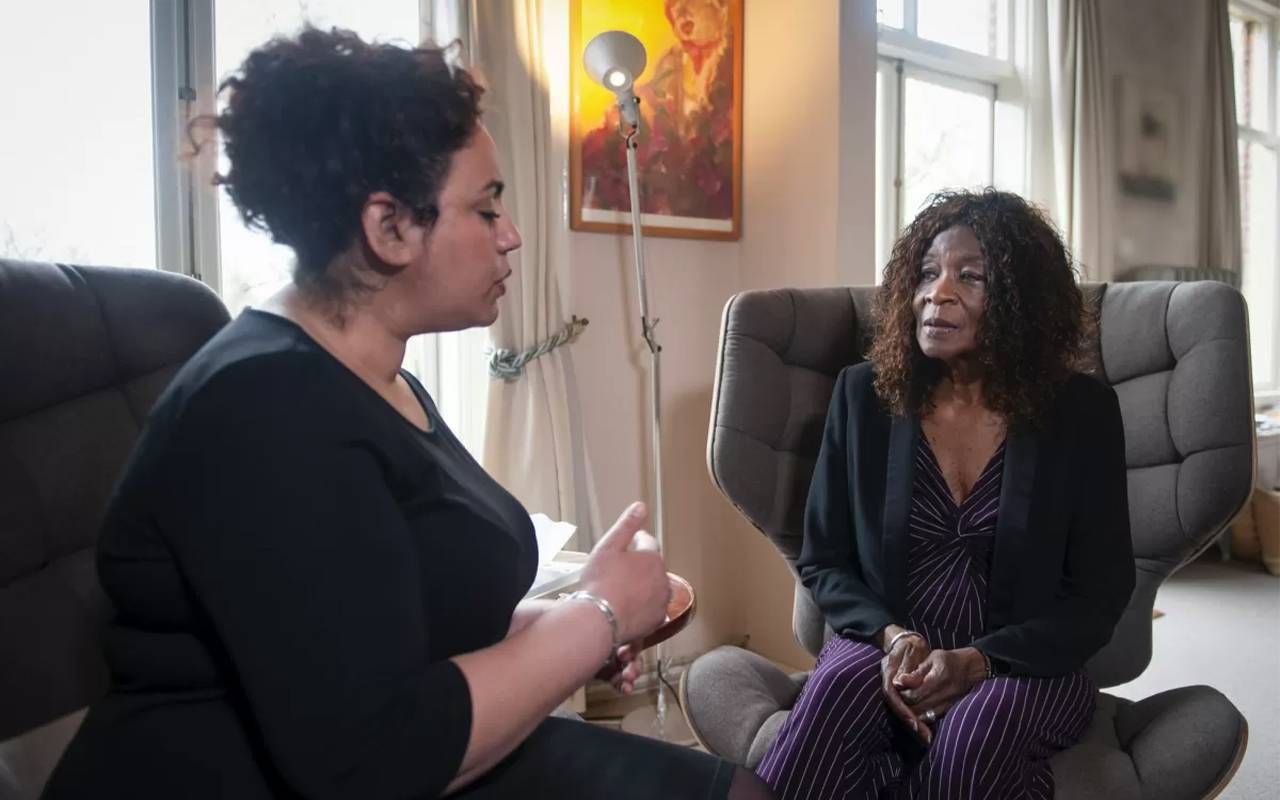
Sitting in uncomfortable silence seemed more comforting than sharing what had happened in the last two years that was causing her complicated grief.
“I grew up in an immigrant household, where sharing one’s feelings was not encouraged,” Pamela said. “It was seen as a sign of weakness, so each time I went to therapy, the experience was overwhelming.”
“I grew up in an immigrant household, where sharing one’s feelings was not encouraged.”
Then, one day, Pamela’s therapist said to her: “Perhaps you should give this a chance because what else do you have to lose.”
The impact of the COVID-19 pandemic shone a light on the mental health crisis. In 2019-2020, 20.78% of adults were experiencing a mental illness, according to Mental Health America. That is equivalent to over 50 million Americans.
Millions of adults in the U.S. experience serious thoughts of suicide, and the highest rate is among multiracial individuals. For example, 11% of adults who identified with two or more races reported severe thoughts of suicide in 2020 – 6% higher than the average among all adults.
Even though April’s commemoration of National Minority Health Awareness Month is drawing to a close, mental health and well-being must continue to play a significant part in the national conversation.
Among minority groups are immigrant populations from various backgrounds. The immigrant narrative is complex, and there is a need for quality mental health care. There is also the issue of addressing their willingness to access treatment when needed. Gaining access to mental health services can be difficult, and for minorities, that access can be even more challenging.
A 2019 study reported that minorities experience a higher burden of mental illness but have less access to, and lower quality, treatments. While acceptance of mental health needs is becoming more commonplace, challenges remain among minority groups.
“Why would I talk to a stranger about my problems? They don’t know about my life. How will they understand what I’m truly going through?”
Access to Mental Health Resources
Compared to whites, minorities have less access to resources because of their background and identity. They also generally receive a delayed diagnosis and inadequate treatment, and this concern is likely a result of the following factors.
- Awareness: Due to a lack of awareness about the importance of mental health, patients and families are less likely to recognize the signs and symptoms of mental health issues. Thus, patients are unlikely to receive early intervention or therapies.
- Deterioration of Trust: In some minority older populations, trust in the medical community has been eroded because of negative experiences, such as poor standards of care and communication barriers.
- Cultural Beliefs: Some groups have negative bias towards illnesses, patient dependencies and reliance on third-party care because of strong cultural roots. For this reason, families may overlook mental health issues.
- Lack of Access: Some individuals may have fewer resources and financial options, including lack of or inadequate health insurance coverage. Also, the complex health care system can make it difficult to manage mental health conditions or seek appropriate care.
‘Talking to a Stranger’
Other reasons include a bias toward mental health providers, strong dependence on faith to help with trauma, and a sense of taboo, among others.
For Alejandro Perez, a Dominican immigrant in New Jersey, therapy seemed strange and complicated.
“Why would I talk to a stranger about my problems? They don’t know about my life. How will they understand what I’m truly going through?” he said.
Like Perez, talking to a “stranger” at first was overwhelming for Pamela, especially since going to therapy didn’t feel like a valid choice for her.
However, she explained that she “changed my mindset” after speaking with her best friend, a social worker at a nonprofit. As Pamela’s case shows, familiarity and understanding can be game-changers in improving access to mental health care among minorities. It took Pamela several years to start therapy to address underlying trauma, and even then, she didn’t go willingly.
According to studies, most patients are open to receiving advice on behavior change from their general practitioner — someone they usually see, trust and are comfortable with. That is especially true if the advice is personally tailored and relevant to their illness. That’s why providers need to understand mental health and its nuances, as it can help reduce negative bias and feelings of shame.
Among minority groups, these experiences are significantly pronounced and can affect access to mental health services like therapy and medication. But ultimately, comfort, trust and a good rapport are essential for how advice and help are given and received.
Minority populations will benefit from experienced and culturally competent providers.
Still, the people harmed by the lack of diversity in the mental health field cannot be ignored. To illustrate, Black psychologists represent only 4% of the total number practicing in the U.S., even though Black Americans represent 13% of the nation’s population.
Addressing inequalities in mental health will require increasing diversity among mental health providers, more innovative programs to reduce cultural stigma, and robust, accessible services beyond individual therapy.
Specifically, minority populations will benefit from experienced and culturally competent providers. And that is just the tip of the iceberg. Even now, we need to have a larger conversation around affordability because of those lacking health insurance and access to the internet and technology.
Mental Health Organizations Step Up
Some organizations are stepping up to change the tide of mental health care and minority populations. Here’s how they are making a mark to create and improve easier access and quality treatment.
Loveland Foundation: Full disclosure: I was part of the first pilot cohort of Loveland’s therapy fund, which helped me pay for therapy during the COVID-19 pandemic. The Foundation is committed to showing up for communities of color in unique and powerful ways, focusing on Black women and girls.
Therapy 4 The People : A nonprofit with a mission to reduce common barriers to accessing mental health care in the U.S. especially for people of color and people struggling financially.
Latinx Therapy: A national directory of Latinx therapists (98% of the therapists are Spanish speakers) and a global, bilingual podcast providing education to combat mental health stigma.
Therapy for Latinx: This national directory is a database of therapists who either identify as Latinx or have worked closely with and understand the unique needs of the Latinx community.
Therapy for Black Girls: From videos and podcasts, blogs and social support, the online space is dedicated to encouraging the mental wellness of Black women and girls.
Only some people need to work with a therapist that looks like them, but having that option is especially helpful because it’s not easy to find a provider who’s at least culturally competent and confident working with people of color.
Encouraging individuals – especially those from ethnically diverse backgrounds – to pursue mental health careers can help address the therapy shortage.
[ad_2]
Source link