












[ad_1]
/cloudfront-us-east-1.images.arcpublishing.com/gray/GZFBPIVWJVAMRNMDMYGRCXZ4LM.png)
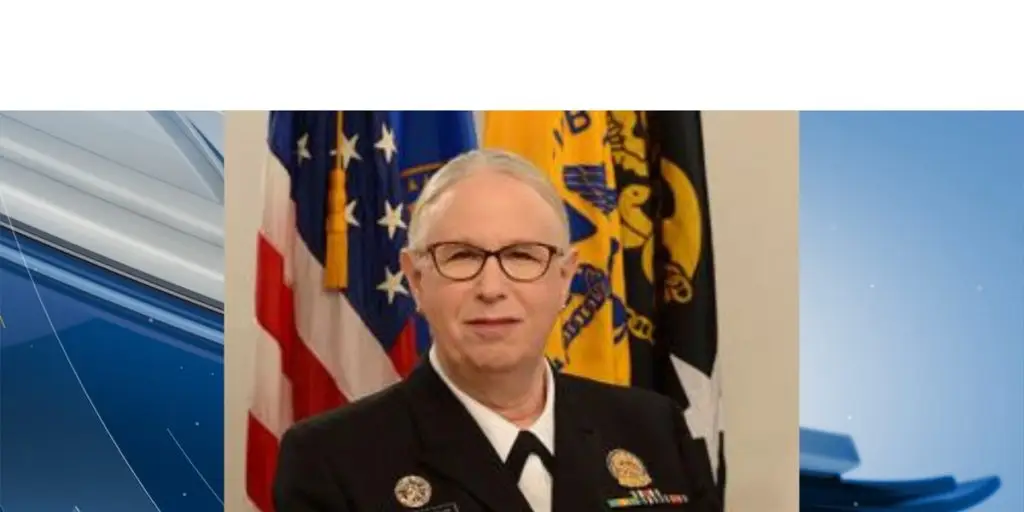
ANCHORAGE, Alaska (KTUU) – Admiral Rachel Levine, the U.S. Assistant Secretary for Health at the U.S. Department of Health and Human Services, is visiting Alaska this week. Levine is the first openly transgender four-star officer in U.S. history, and she’s come to Alaska to address a variety of public health issues in the state.
Levine’s first stop was at Alaska’s only LGBTQ+ health clinic, Identity, which provides a variety of gender-affirming care, sexual wellness services, and primary care to the state’s LGBTQ+ community. During a workshop on Sunday, Levine and healthcare providers had the opportunity to listen to advocates and members of the community who described some of the challenges they face.
“We were here today at Identity health to hear about challenges to the LGBTQI+ community, particularly vulnerable transgender youth, their families and their providers that have really faced significant challenges across the country,” Levine said.
Levine pointed to politically and ideologically motivated laws, which have either recently been passed or introduced, that she believes actively target transgender youth, their families, and healthcare providers. Levine emphasized that transgender care is healthcare, mental health care, and even suicide prevention care.
“We have a lot of youth in the room and families who are actively working against a lot of barriers to keep their kids alive and so there was a lot of tears but also a lot of feeling that this was a good discussion to have. It helps to know there’s a team of us in the community that are supportive,” said Tracey Wiese, the clinical director of Identity Health Clinic.
One issue that was focused on was access to transgender healthcare and connecting individuals to resources to support them. Many shared their unique experiences within their own personal life of accessing health care and getting to a point of feeling supported within their communities.
Levine says she also plans to travel to various Alaska Native communities, especially those dealing with environmental issues, such as pollution and environmental contamination.
“Looking at many other issues, environmental health issues, issues in terms of climate change and health, issues in terms of challenges with domestic violence, and missing and murdered indigenous people, and human trafficking, so many different public health issues that we’ll be addressing during our trip here in Alaska,” Levine said.
Levine argues health equity is fundamental to addressing any issues within the U.S. Department of Health and Human Services. She says her biggest concern is climate change, citing this summer’s record high temperatures which have presented health concerns.
“We’re seeing extreme heat throughout the United States, we’re seeing sea level rise, we’re seeing forest fires and the resulting smoke,” Levine said. “So many different challenges and that’s absolutely here in Alaska, issues in terms of climate change and especially in the Arctic and so we’re here to look at that and help study it and learn from the communities.”
This was Levine’s first visit to Alaska. Her next stop is Nome, which will be followed by several other Alaska Native communities, where she will hear directly from people about medical and public health issues.
Copyright 2023 KTUU. All rights reserved.
[ad_2]
Source link