










- By FYH News Team
[ad_1]
WATCH TIME: 4 minutes
“It can take a lot of work before the actual work of the clinical trial can commence, and I think that’s often off-putting to a lot of folks to as investigators because they don’t necessarily know where to start. When you present it like that, clinicians are like, “I just want to know whether or not my treatment works.” Obviously yes [we want to know to], but this is the foundation for being able to appreciate if it [the thing you’re researching] does or does not work, and why and for whom and under what circumstances.”
Over the years, across neurology and the medical field in general, there has been a greater interest in researching the impacts of social determinants of health on individuals, and how their environment plays a factor into their everyday life. These topics have been brought up at scientific conferences by clinicians who see the effects on patients first-hand. Underserved populations, and those at a disadvantage, represent a key area of research, and help paint a better overall picture of real-world demographics.
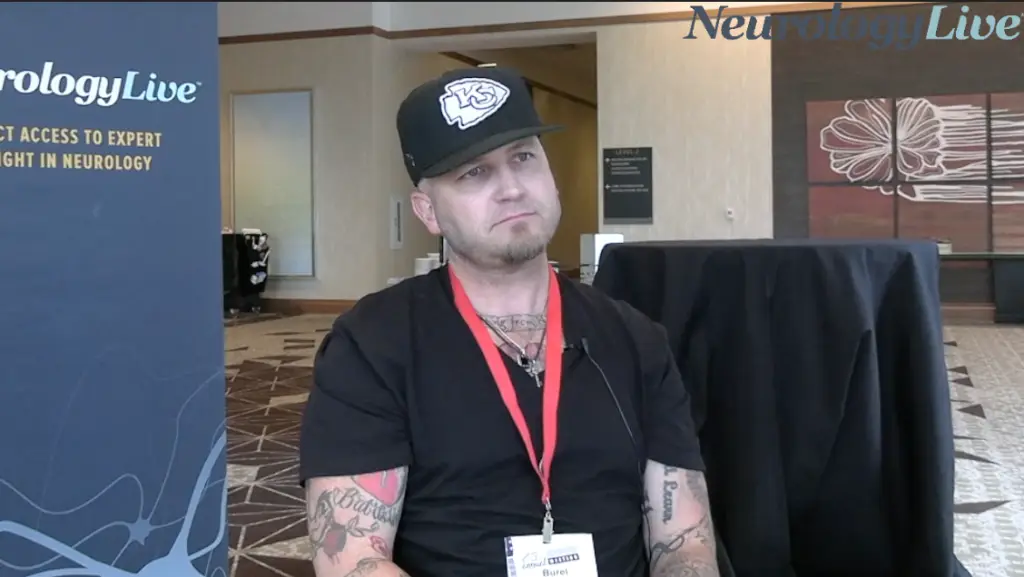
Conducting research in these areas should be done with caution, respect, and proper communication, says Burel Goodin, PhD. Goodin, a professor of anesthesiology at Washington University in St. Louis, is an expert in pain-related behavioral medicine, with an interest in how certain social determinants of health, such as sleep disturbance, impact overall pain. Pain is often undertreated among economically and socially marginalized populations. Members of these communities may also have limited or inconsistent access to a primary care provider or pain specialist.
At the 2023 American Headache Society (AHS) Annual Meeting, held June 15-18, in Austin, Texas, Goodin gave a talk on the need to engage with underserved populations, and the right ways to do so. At the meeting, he sat down with NeurologyLive® to discuss the correct approach to conducting research in these communities, why communication and transparency is important, and why data should be translated back to those upon the conclusion of trials.
[ad_2]
Source link
Trending Topics
Features
- Drive Toolkit
Download and distribute powerful vaccination QI resources for your community.
- Health Champions
Sign up now to support health equity and sustainable health outcomes in your community.
- Cancer Early Detection
MCED tests use a simple blood draw to screen for many kinds of cancer at once.
- PR
FYHN is a bridge connecting health information providers to BIPOC communities in a trusted environment.
- Medicare
Discover an honest look at our Medicare system.
- Alliance for Representative Clinical Trials
ARC was launched to create a network of community clinicians to diversify and bring clinical trials to communities of color and other communities that have been underrepresented.
- Reducing Patient Risk
The single most important purpose of our healthcare system is to reduce patient risk for an acute event.
- Victor Mejia
- Jessica Wilson
- Jessica Wilson