











[ad_1]
/cloudfront-us-east-1.images.arcpublishing.com/gray/COZYKFT2PZF4VNX5LM4S765VZM.jpg)
JACKSONVILLE, N.C. (WITN) – Health and Wellness for Hispanic populations have been at the forefront of conversation for health systems in parts of the East.
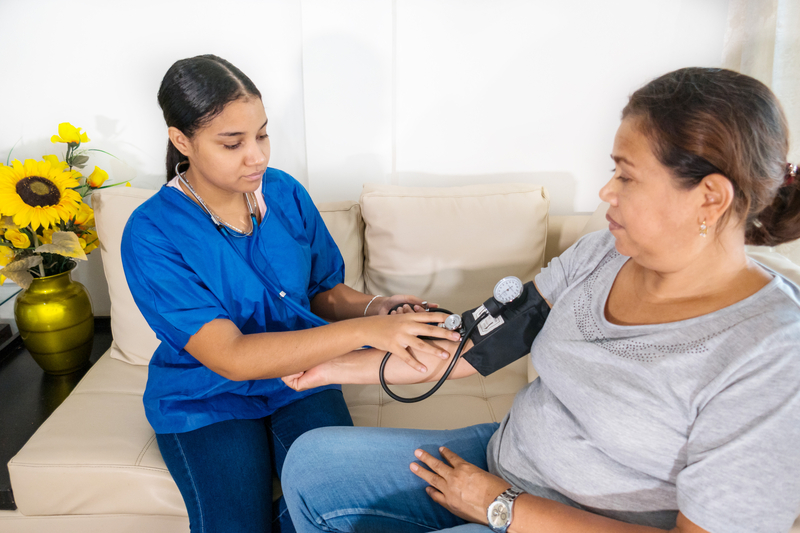
Trillium Health Resources hosted its first LatinX Summit event. The event placed a focus on physical health discrepancies and concerns in areas such as diabetes, HIV, and child preventative measures for Hispanic communities.
Presentations spoke to mortality rates among Hispanic populations, cancer awareness, and pediatric preventive care among other topics about Hispanic healthcare.
“This is for them, right? So based on our research on the counties, Trillium covers 28 counties in eastern Carolina Onslow County based on our research has the largest population of Hispanic folks so we thought it was really important to have it here. Now obviously we know that Raleigh and and Charlie probably have greater populations but for the 28 counties that Trillium currently covers that has the largest population of Hispanic folks,” said Luz Terry.
The program finished with a panelist discussion with representatives from the North Carolina Department of Health and Human Services and doctors with Web MD health services.
Copyright 2023 WITN. All rights reserved.
[ad_2]
Source link