









Lung Cancer Hits Native American Communities Harder — and the Reasons Run Deep

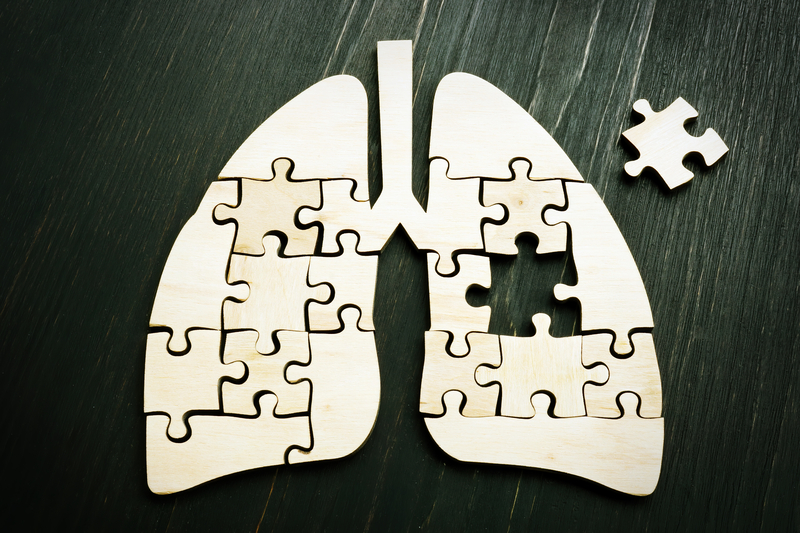
Lung cancer remains the leading cause of cancer death in the United States, but for many Native American and Alaska Native (NA/AN) communities, the toll is even greater — and the reasons go far beyond smoking rates.

According to the Centers for Disease Control and Prevention (CDC), Native American and Alaska Native people experience some of the highest lung cancer incidence and mortality rates in the country. In regions like the Northern Plains and Alaska, lung cancer rates among Native men are up to 50% higher than among white men in the same areas, according to the American Association for Cancer Research (AACR).

Yet in the Southwest, the picture looks very different — rates are much lower, partly due to lower tobacco use and stronger community tobacco-control traditions. This wide variation underscores an important truth: “Native American health” is not one uniform story.

A Complex Web of Causes

Health experts say the reasons behind these disparities are multifaceted and deeply rooted in both historical and current inequities.

  1. Commercial tobacco use
    While many groups use traditional tobacco for ceremonial purposes, commercial tobacco use has become widespread — often as a result of targeted marketing by tobacco companies in Native communities. The American Indian Cancer Foundation reports that Native Americans have the highest commercial tobacco use rate of any U.S. racial or ethnic group.
  2. Access to screening and care
    Early detection saves lives, but lung cancer screening with low-dose CT scans isn’t always accessible for Native communities. Many tribal and rural areas lack the infrastructure, funding, or specialists needed to conduct screenings. Even when services exist, travel distance, lack of insurance, and mistrust of health systems can be major barriers.

The CDC’s Division of Cancer Prevention and Control notes that “geographic isolation and underfunded tribal health programs” continue to limit access to early detection services.

  1. Environmental and social determinants
    Exposure to secondhand smoke, poor air quality, and limited access to healthcare all play roles. Broader social factors — including poverty, underfunded health services, and the legacy of systemic racism — contribute to worse outcomes.

The Indian Health Service (IHS) has long struggled with chronic underfunding, leaving many Native communities without consistent access to oncology care.


Disparities in Outcomes

Not only are Native Americans more likely to develop lung cancer in certain regions, but they also tend to be diagnosed later and have lower survival rates than white patients.

A report from the American Cancer Society found that Native patients are less likely to receive surgery, chemotherapy, or radiation for lung cancer — often due to limited access to specialists or delayed referrals.

Efforts to Close the Gap

Group health organizations and national agencies are stepping up efforts to change these outcomes.

  • Community-based screening programs: Mobile screening units and partnerships with group clinics are bringing low-dose CT scans closer to home. 
  • Culturally tailored education: Health campaigns are reframing lung cancer awareness in ways that respect group values and distinguish traditional from commercial tobacco. 
  • Policy advocacy: Native leaders are calling for more funding for the Indian Health Service and for research focused specifically on Native health disparities. 

Some states are also partnering with the CDC’s National Comprehensive Cancer Control Program to expand lung cancer education in communities.


Looking Forward

Experts emphasize that improving lung cancer outcomes in Native communities will require sustained investment, respect for sovereignty, and culturally informed care. For now, awareness, prevention, and access to early screening remain the most powerful tools to close the gap.

Trending Topics

Features

Download and distribute powerful vaccination QI resources for your community.

Sign up now to support health equity and sustainable health outcomes in your community.

MCED tests use a simple blood draw to screen for many kinds of cancer at once.

FYHN is a bridge connecting health information providers to BIPOC communities in a trusted environment.

Discover an honest look at our Medicare system.

ARC was launched to create a network of community clinicians to diversify and bring clinical trials to communities of color and other communities that have been underrepresented.

The single most important purpose of our healthcare system is to reduce patient risk for an acute event.

Related Posts
What the Heck Is FSGS? The Kidney Disease Many Americans Have Never Heard Of
5 Heat Safety Tips That Could Protect Your Health This Summer
Gen Z Women Are Seeing More GLP-1 Ads. Here’s What They Need to Know About the Risks and Side Effects.
Scroll to Top
Featured Articles
FSGS, a rare kidney disease that can lead to kidney failure if left untreated.
What the Heck Is FSGS? The Kidney Disease Many Americans Have Never Heard Of
Extreme Heat Safety Tips 5 Ways to Protect Your Health This Summer fyh.news
5 Heat Safety Tips That Could Protect Your Health This Summer
Gen Z Women Are Seeing More GLP-1 Ads. Here's What They Need to Know About the Risks and Side Effects.
Gen Z Women Are Seeing More GLP-1 Ads. Here's What They Need to Know About th...
Healthcare professional using artificial intelligence and digital health technology to improve patient outcomes and advance health equity in African American communities.
Closing the Healthcare Gap Requires Embracing Innovation
Lupus Awareness Event in Baltimore Aims to Support Research and Shine a Light on Health Disparities
Lupus Awareness Event in Baltimore Aims to Support Research and Shine a Light...
Healthcare Gaps Continue to Put Black and Latino LGBTQ+ Communities at Risk
Categories
AI
ATTR-CM
BIPOC News
Cancer
Clinical Trials
Covid19
Diseases of the Body
Environment
Health Data
Health Equity Events
Health Policy
Health Tips
Subscribe to our newsletter to receive our latest news​
All Stories
FSGS, a rare kidney disease that can lead to kidney failure if left untreated.
What the Heck Is FSGS? The Kidney Disease Many Americans Have Never Heard Of
Extreme Heat Safety Tips 5 Ways to Protect Your Health This Summer fyh.news
5 Heat Safety Tips That Could Protect Your Health This Summer
Gen Z Women Are Seeing More GLP-1 Ads. Here's What They Need to Know About the Risks and Side Effects.
Gen Z Women Are Seeing More GLP-1 Ads. Here's What They Need to Know About th...
BIPOC News
Gen Z Women Are Seeing More GLP-1 Ads. Here's What They Need to Know About the Risks and Side Effects.
Gen Z Women Are Seeing More GLP-1 Ads. Here's What They Need to Know About th...
Healthcare professional using artificial intelligence and digital health technology to improve patient outcomes and advance health equity in African American communities.
Closing the Healthcare Gap Requires Embracing Innovation
Lupus Awareness Event in Baltimore Aims to Support Research and Shine a Light on Health Disparities
Lupus Awareness Event in Baltimore Aims to Support Research and Shine a Light...
Environment
Extreme Heat Safety Tips 5 Ways to Protect Your Health This Summer fyh.news
5 Heat Safety Tips That Could Protect Your Health This Summer
Lupus Awareness Event in Baltimore Aims to Support Research and Shine a Light on Health Disparities
Lupus Awareness Event in Baltimore Aims to Support Research and Shine a Light...
Healthcare Gaps Continue to Put Black and Latino LGBTQ+ Communities at Risk
Work Force
dreamstime_s_243253251
The Caregiver Journey: The Hidden Backbone of American Healthcare
Families gather at a Bronx community festival with live music, kids’ activities, and health booths sharing SOMOS social care resources and free screenings.
Celebrating Hispanic heritage while learning about health care

msn

Racial/Ethnic Minorities have Greater Declines in Sleep Duration with Higher Risk of Cardiometabolic Disease
Racial/Ethnic Minorities have Greater Declines in Sleep Duration with Higher ...

pubmed

Clinical Trials
dreamstime_s_174488289
PCOS to PMOS: Why the 2026 Name Change Matters for Women’s Health

Lupus Awareness Month Highlights Ongoing Gaps in Clinical Trials for Black and Brown Communities
Lupus Awareness Month Highlights Ongoing Gaps in Clinical Trials for Black an...
Black Family Wellness Expo 2026 Atlanta
Black Family Wellness Expo Brings Healing, Resources, and Community Together
Vaccines and Outbreaks
Michelle Lam, MBA, of NYC Health + Hospitals/Elmhurst & Amy Harris of NYC Health + Hospitals/Elmhurst
Healthcare Leaders Spotlight Vaccine Equity and Adult Immunization Strategies...
Measles Outbreaks Surge: Essential Facts and Prevention Strategies
U.S. measles cases 2026: Outbreaks Spread as MMR Coverage
2026 Measles Spike: U.S. Cases Rise Fast as Outbreaks Grow
Other Categories
AI
Read the latest AI News stories trending around the world
ATTR-CM
Cancer
Read the latest Cancer stories trending around the world
Covid19
Diseases of the Body
Read about the latest Diseases of the Body trending around the world
Friday Webinars
Every Friday, we bring you insightful webinars covering critical topics in healthcare, data equity, and policy reform.
Health Data
Read the latest Health Data stories trending around the world
Health Equity Events
Read the best Health Equity Events around the country.
Health Policy
Read the latest Health Policy stories trending around the world
Health Tips
Heart Health
Read the latest on Heart Health News, Stories and Tips.
kidney Health
Read more trending News about Kidney Health, Stories and Tips.