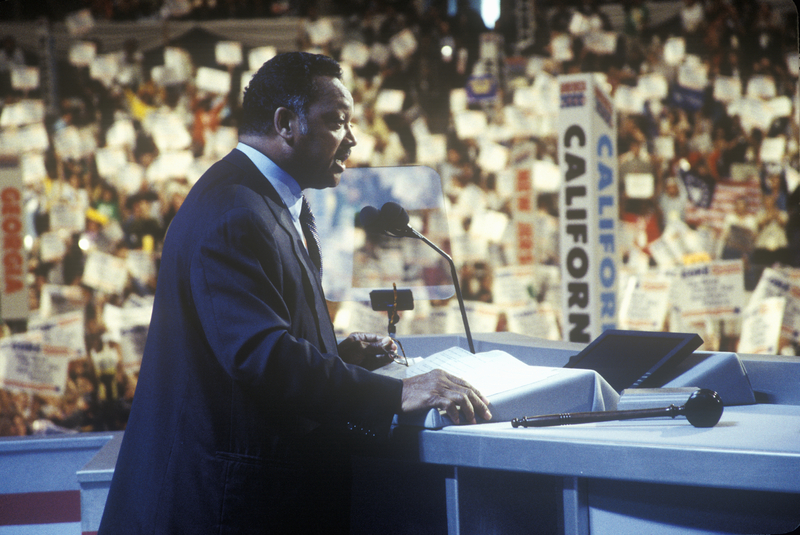
CHICAGO — The Rev. Jesse Louis Jackson Sr., a towering figure in the American civil rights movement whose lifelong advocacy reshaped the nation’s political and moral landscape, died on February 17, 2026, at the age of 84, his family announced. Jackson’s passing marks the end of a life defined by tireless work for justice, equality, and the empowerment of marginalized communities in the United States and around the world.
Born Jesse Louis Burns on October 8, 1941, in Greenville, South Carolina, Jackson came of age in the segregated South and carried the imprint of those early experiences into a lifetime of activism. As a young man, he joined the civil rights movement, aligning with leaders such as the Rev. Martin Luther King Jr. and participating in pivotal campaigns for racial justice, including the march in Selma, Alabama. These early efforts helped shape Jackson into a skilled organizer and passionate advocate for systemic change.
After King’s assassination in 1968, Jackson emerged as one of the foremost voices in the movement, pushing forward the struggle for equality with a combination of moral urgency and political savvy. He founded and led influential organizations, including Operation PUSH and the Rainbow/PUSH Coalition, which advocated for economic justice, civil rights, and greater political representation for African Americans, Hispanics, Native Americans, women, and other marginalized groups. Under Jackson’s leadership, these organizations pressed corporations, political leaders, and institutions to open opportunities to communities that had long been excluded.
“Jesse Jackson is a true giant of the civil rights movement, and his influence can be felt in every corner of our nation,” – President Barack Obama
Jackson’s impact extended beyond grassroots activism. In the 1980s, he broke significant racial barriers in American electoral politics, mounting historic campaigns for the Democratic presidential nomination in 1984 and 1988. Although he did not secure the nomination, his campaigns energized multiracial coalitions and broadened the national conversation about race, poverty, and political inclusion. Many political observers, including leaders of later generations, have credited Jackson with helping to lay the groundwork for future milestones in Black political leadership. President Barack Obama, in remarks honoring Jackson, referred to him as a “true giant” whose influence helped shape the path to the White House for generations of leaders to come.
Throughout his career, Jackson remained a visible and vocal presence in struggles for civil and human rights. He championed voting rights, economic opportunity, corporate accountability, and social justice in communities across the nation. His powerful oratory and passionate commitment to equity made him a fixture at demonstrations, in churches, on the streets, and in the halls of power. Leaders from across the political spectrum recognized his contributions following his death, with tributes from Presidents Joe Biden and Barack Obama, as well as figures from civil rights and public life acknowledging Jackson’s role in shaping modern America.
Jackson also made deep personal sacrifices during his long career. In later years, he faced significant health challenges, including Parkinson’s disease and progressive supranuclear palsy, a neurological condition that affected his mobility and required ongoing care. Even as health issues slowed him physically, Jackson’s voice continued to resonate through the movements he helped sustain and the individuals he inspired to pursue justice.

Beyond his public life, Jackson was a husband and a father. He married Jacqueline Lavinia Brown in 1962, and together they raised a family that included six children involved in public service, community work, and cultural pursuits. In announcing his death, Jackson’s family described him as “a servant leader — not only to our family, but to the oppressed, the voiceless, and the overlooked around the world,” and asked that his legacy be honored by continuing the fight for the values he lived by.
For communities of color and advocates for health equity, Jackson’s legacy holds particular resonance. He consistently connected the struggle for civil rights with broader battles against economic and social disparities, including access to quality education, housing, jobs, and healthcare. His leadership underscored the principle that true justice must encompass not only legal equality but equitable opportunities for all people to thrive. Groups and leaders working at the intersection of racial justice and public health have cited Jackson’s relentless advocacy as foundational to contemporary efforts to dismantle systemic barriers that affect health outcomes in marginalized communities.
In death, as in life, Jackson’s influence is being reflected in conversations about the nation’s ongoing work toward equity and justice. From commemorations in churches where he spoke throughout his career to statements from elected officials and activists alike, the outpouring of remembrance illustrates the breadth of his impact on American society. A figure who bridged generations of struggle — from the movement of the 1960s to the fights of the 21st century — Jackson’s life story is bound to the larger narrative of the nation’s pursuit of civil and human rights.
As the nation mourns his passing, many leaders and community members have echoed a common sentiment: that preserving and advancing the causes Jackson championed remains imperative. Whether through voter engagement, economic empowerment efforts, or continued resistance to inequality, the work he devoted his life to continues in the efforts of countless individuals and organizations across the country.