











- By Subash Kafle
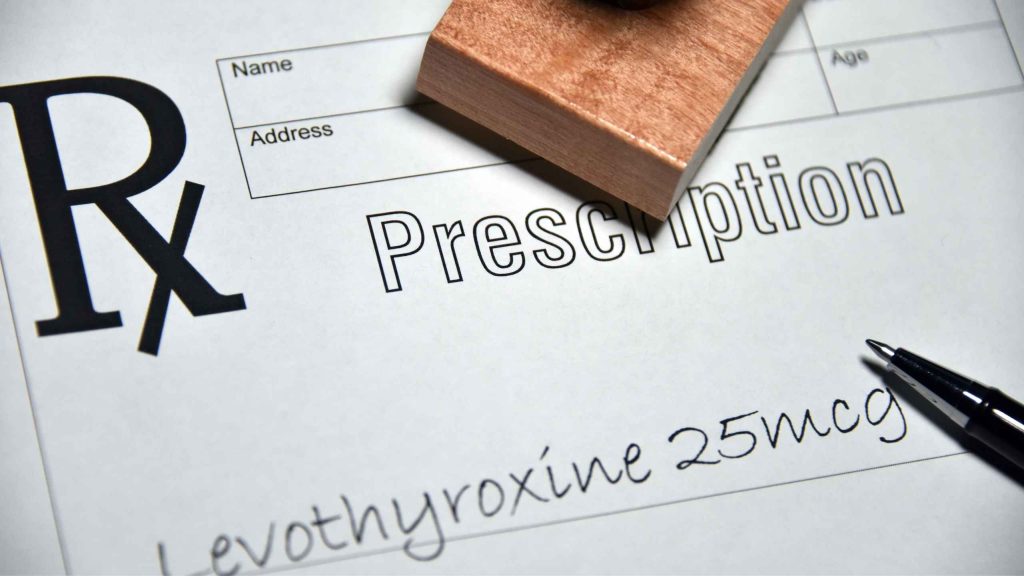
A nationwide recall of certain levothyroxine sodium tablets is drawing attention after federal regulators determined that some of the medication may contain less active thyroid hormone than indicated on the label.
Major Pharmaceuticals initiated the voluntary recall on July 13, 2026, and the U.S. Food and Drug Administration classified it as a Class II recall on July 17. The recall applies only to specific lots and package configurations distributed under the Major Pharmaceuticals and Cardinal Health labels. It does not affect every levothyroxine prescription or every manufacturer of the medication.
The recalled tablets were described as “subpotent,” meaning they may deliver less levothyroxine than the prescribed dose. The FDA uses a Class II classification when exposure to a recalled product may cause temporary or medically reversible health effects, or when the likelihood of serious health consequences is considered remote.
Levothyroxine is a synthetic form of thyroxine, or T4, a hormone normally produced by the thyroid gland. It is widely prescribed as replacement therapy for hypothyroidism, a condition in which the thyroid does not produce enough hormone. It may also be used as part of treatment for certain thyroid cancers and other thyroid conditions.
Nearly 5 out of every 100 people in the United States ages 12 and older have hypothyroidism, according to the National Institute of Diabetes and Digestive and Kidney Diseases. Women are more likely than men to develop the condition, and the risk also increases among adults older than 60.
Because thyroid hormone helps regulate metabolism, energy use, body temperature, heart function and other essential processes, receiving the correct dose is important. A person taking a subpotent tablet may gradually experience signs that their hypothyroidism is not being adequately controlled. These can include unusual fatigue, feeling cold, constipation, dry skin, difficulty concentrating, depression, weight gain or a slower heart rate. Symptoms may develop slowly and can resemble those caused by many other health conditions, so blood testing is generally needed to determine whether thyroid hormone levels are outside the appropriate range.
What patients should know
The affected products include selected 25-, 50-, 75-, 88-, 112-, 125- and 150-microgram strengths. The principal recalled lot numbers include N02212, N02200, N02172, N02296, N02288, N02310, N02203, N02266 and N02167. Certain 10-tablet blister-pack bag lots use the same numbers with an “A” or “B” suffix. Expiration dates for the affected products range from July 2026 through January 2027.
Patients should examine the prescription label, carton or blister package for the manufacturer, dosage strength, lot number and expiration date. Because pharmacies sometimes transfer medications into standard prescription bottles, the original manufacturer and lot number may not appear on the patient-facing label. In that situation, patients should call the pharmacy that filled the prescription and ask staff to check the dispensing record or pharmacy inventory.
People who believe they have recalled tablets should contact their pharmacist or prescribing clinician for instructions and assistance obtaining a replacement. Major Pharmaceuticals advised customers to return affected medication to the place where it was purchased. Patients should not throw away their only supply or stop taking levothyroxine without first speaking with a health care professional. Interrupting thyroid hormone replacement can allow hypothyroidism to worsen, particularly for people who have had their thyroid removed or who depend entirely on replacement medication.
Patients should also avoid changing the dose on their own to compensate for suspected understrength tablets. Levothyroxine dosing is individualized according to factors such as age, weight, pregnancy, heart health, other medications and laboratory findings. Taking additional tablets without medical guidance could result in excessive thyroid hormone once an unaffected product is obtained.
The recall may create additional challenges for patients who have limited access to pharmacies, transportation, insurance coverage, language services or regular medical care. These barriers can make it more difficult to confirm a recalled lot, contact a clinician and obtain a timely replacement. Pharmacies, health systems and community organizations can help reduce gaps in treatment by communicating the recall in accessible language and assisting patients who cannot easily return to their original pharmacy. Broader public health research has documented how cost, insurance and other social needs can affect access to care and chronic disease management.
Anyone who develops new or worsening symptoms should contact a health care professional. Patients and caregivers with questions about the recall may also contact the FDA at 1-888-INFO-FDA, or 1-888-463-6332.
For most people taking levothyroxine, the immediate priority is not to panic or discontinue treatment. It is to verify the medication’s manufacturer and lot number, speak with a pharmacist if the information is unclear and arrange a safe replacement when necessary. Clear communication among patients, pharmacies and clinicians will be essential to ensure that people who rely on thyroid hormone continue receiving the correct dose without an avoidable interruption in care.
Also Read: Cyclospora Outbreak Linked to Recalled Lettuce Sickens More Than 1,600 Across Five States
Trending Topics

Features
- Drive Toolkit
Download and distribute powerful vaccination QI resources for your community.
- Health Champions
Sign up now to support health equity and sustainable health outcomes in your community.
- Cancer Early Detection
MCED tests use a simple blood draw to screen for many kinds of cancer at once.
- PR
FYHN is a bridge connecting health information providers to BIPOC communities in a trusted environment.
- Medicare
Discover an honest look at our Medicare system.
- Alliance for Representative Clinical Trials
ARC was launched to create a network of community clinicians to diversify and bring clinical trials to communities of color and other communities that have been underrepresented.
- Reducing Patient Risk
The single most important purpose of our healthcare system is to reduce patient risk for an acute event.
- Subash Kafle
- Jessica Wilson
- Jessica Wilson