










For decades, smoking was considered the primary cause of throat cancer. Today, that picture has changed. Health experts say infection with the human papillomavirus (HPV) has become the leading cause of most cancers of the oropharynx—the area at the back of the throat that includes the tonsils and the base of the tongue—marking a major shift in how these cancers develop and who is most at risk.
The change reflects the success of tobacco control efforts alongside the growing impact of HPV, one of the most common sexually transmitted infections in the United States. While smoking remains a significant risk factor for many cancers of the head and neck, the U.S. Centers for Disease Control and Prevention (CDC) estimates that approximately 70% of oropharyngeal cancers are now linked to HPV. Among men, these cancers have become the most common HPV-associated cancer diagnosed each year. Public health experts say the shift underscores the need for greater awareness, particularly in Black and Brown communities where disparities in access to preventive healthcare, vaccination, and early diagnosis continue to affect cancer outcomes. “HPV vaccination prevents new HPV infections but does not treat existing infections or diseases,” the CDC notes, emphasizing that the vaccine is most effective when administered before exposure to the virus.
Prevention, Awareness, and Access Remain Critical
HPV is so common that nearly everyone who is sexually active will be exposed to the virus at some point in their lives. In most people, the immune system clears the infection naturally within a few years. However, persistent infection with certain high-risk strains, particularly HPV-16, can eventually lead to cancer years or even decades later.
Unlike traditional throat cancers that were closely tied to decades of smoking and heavy alcohol use, HPV-related throat cancers are increasingly diagnosed in people with little or no history of tobacco use. Researchers have found that many patients develop these cancers later in life despite otherwise appearing healthy. The rise in HPV-related cancers presents unique challenges for communities of color. Although vaccination has the potential to prevent more than 90% of HPV-related cancers, vaccination rates remain uneven across the country due to barriers such as healthcare access, insurance coverage, transportation, misinformation, and historical distrust of the healthcare system.
Black Americans have historically experienced lower survival rates for many head and neck cancers compared with White Americans, a disparity driven by multiple factors including later-stage diagnosis, differences in access to specialty care, socioeconomic barriers, and treatment delays. Hispanic, American Indian, Alaska Native, and some Asian American communities also face disparities in preventive healthcare and cancer screening that can influence outcomes. Although HPV-related throat cancer has been diagnosed more frequently among White men, experts caution that inequities in prevention and treatment could widen if awareness campaigns fail to reach underserved populations. One challenge is that there is no routine screening test for HPV-related throat cancer comparable to the Pap test used to detect cervical abnormalities. Instead, healthcare providers rely on recognizing symptoms and evaluating patients who report persistent problems.
Warning signs can include a sore throat that does not go away, difficulty swallowing, a persistent lump in the neck, ear pain, hoarseness, or unexplained mouth or throat pain. Because these symptoms may resemble common illnesses, diagnosis is sometimes delayed until the cancer has advanced. The CDC recommends routine HPV vaccination for children ages 11 to 12, although vaccination can begin as early as age 9. Catch-up vaccination is recommended through age 26 for those who were not previously vaccinated, while some adults ages 27 through 45 may benefit after discussing their individual risk with a healthcare provider.
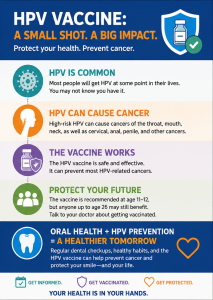
Health experts stress that vaccination protects against future HPV infections but does not eliminate existing infections. They also recommend avoiding tobacco products, limiting alcohol use, and seeking medical evaluation for throat symptoms that persist for more than two weeks.
As HPV reshapes the landscape of throat cancer in the United States, many clinicians say the conversation must move beyond cervical cancer alone. Increasing public understanding that HPV can also cause cancers affecting men and women, expanding vaccination efforts, and ensuring equitable access to preventive care may help reduce future cancer diagnoses. For Black and Brown communities, where longstanding health disparities continue to influence cancer outcomes, improving education and access could play a key role in preventing a disease that is increasingly avoidable.
Stay Informed. Stay Empowered.