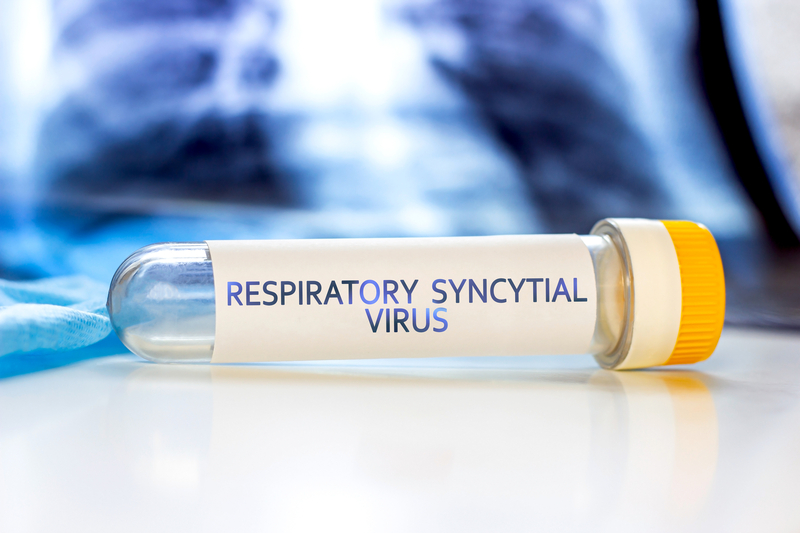








Respiratory syncytial virus, or RSV, is not yet widespread across the United States. As of Sept. 18, 2026, the Centers for Disease Control and Prevention reported that national RSV activity remained low, while noting that the next flu and RSV season was approaching. RSV season typically begins in the fall, peaks in winter and ends in spring in most parts of the country. For parents of infants and young children, that makes the weeks ahead an important time to learn about prevention and recognize the signs of serious illness before RSV begins circulating more widely.
RSV is a common respiratory virus that usually causes mild, cold-like symptoms, but it can become serious, particularly for infants and some young children. Before RSV immunizations became available, an estimated 58,000 to 80,000 children younger than 5 were hospitalized with RSV each year in the United States. CDC now identifies RSV as the leading cause of infant hospitalization in the country. The youngest children face the greatest risk. CDC says the risk of severe illness is higher among infants and young children, particularly those who are very young. Children born prematurely and children with chronic lung disease, congenital heart disease, weakened immune systems, severe cystic fibrosis or certain neuromuscular conditions also face increased risk. Native American(s) and/or Indigenous children of America are also identified by CDC as a population at greater risk of severe RSV illness. That risk is one reason preparation matters before a child becomes sick. Families should know what protection is available, whether their child is eligible and how to access it. CDC recommends two options to protect infants from severe RSV disease: vaccination during pregnancy or a long-acting RSV antibody given to the infant. Most babies do not need both. For pregnant people, CDC recommends one dose of Pfizer’s Abrysvo RSV vaccine during weeks 32 through 36 of pregnancy, generally during September through January in most of the continental United States. The vaccine allows antibodies to pass from the pregnant person to the baby before birth, providing protection during the first months of life. CDC says maternal antibodies can protect an infant for approximately six months after birth.
For babies who are not protected through maternal vaccination, an RSV antibody can provide protection directly. CDC recommends an infant RSV antibody for babies younger than 8 months who are entering their first RSV season when the mother did not receive the maternal vaccine, when vaccination status is unknown or when the baby was born within 14 days of maternal vaccination. In most of the United States, infant antibodies are administered during October through March, ideally shortly before RSV season begins or during the first week of life for babies born during the season. Two long-acting infant RSV antibodies, nirsevimab and clesrovimab, are now included in CDC guidance. Nirsevimab can also be used for certain children ages 8 through 19 months who are entering a second RSV season and have conditions or circumstances that place them at increased risk for severe disease.
Knowing when RSV may be more than a cold
For many children, RSV symptoms resemble an ordinary respiratory infection. CDC says common symptoms include a runny nose, congestion, decreased appetite, coughing, sneezing, fever and wheezing. Symptoms can appear in stages rather than all at once. In very young infants, however, the signs can be less obvious. Irritability, decreased activity and breathing difficulties may be the only symptoms. Parents and caregivers should pay particular attention to changes in breathing, hydration and alertness. CDC recommends seeking medical attention when a child is having difficulty breathing, is not drinking enough fluids or has symptoms that are worsening. Emergency warning signs of respiratory illness in children include fast or difficult breathing, bluish lips or face, ribs pulling in with each breath, severe dehydration, lack of alertness, seizures or symptoms that improve and then return or become worse. For babies younger than 12 weeks, a fever of 100.4 degrees Fahrenheit or higher requires immediate medical attention.
Preparing for RSV is also an issue of health access. The burden of severe RSV does not fall evenly across communities, and access to prevention can depend on factors beyond a family’s willingness to seek care. NMQF’s RSV Health Equity Action Report found differences in RSV protection among infants, with Black infants having the lowest reported protection rate among the racial and ethnic groups examined in the report. The report identified financial barriers, insurance restrictions and gaps in communication between providers and patients as factors that can affect access to RSV protection. NMQF’s RSV Equity Action campaign also points to the challenges facing families with limited access to health care and emphasizes the need for hospitals, insurers and health systems to make RSV immunization easier to access. The campaign notes that the availability of long-acting RSV antibodies and their inclusion in the Vaccines for Children program have expanded prevention options, but that some newborns may still leave the hospital without receiving protection.
There is evidence that these prevention tools can make a difference. A CDC analysis of the 2024–25 RSV season, the first season when maternal vaccination and nirsevimab were widely available, found that RSV-associated hospitalization rates among infants ages 0 through 7 months were estimated to be 28% and 43% lower than rates during comparable prepandemic seasons in two surveillance networks. For parents, preparing for RSV does not mean assuming a child will become seriously ill. It means knowing which children are most vulnerable, understanding available prevention options and having a plan for recognizing symptoms that require medical attention. Families expecting a baby or caring for an infant can talk with their health care provider now about maternal RSV vaccination or infant antibody protection, rather than waiting until RSV is circulating widely or a child becomes sick.
As fall approaches, RSV activity will continue to be monitored nationally and locally. CDC updates respiratory illness data regularly, allowing families and health officials to track changes as the season develops. For parents, early preparation can provide an opportunity to understand their child’s risk and available protections before respiratory viruses become a bigger part of everyday life.
Learn more about RSV prevention, preparedness and health access through NMQF’s RSV Health Equity campaign at RSV Equity Action.
Stay Informed. Stay Empowered.
Trending Topics

Features
- Drive Toolkit
Download and distribute powerful vaccination QI resources for your community.
- Health Champions
Sign up now to support health equity and sustainable health outcomes in your community.
- Cancer Early Detection
MCED tests use a simple blood draw to screen for many kinds of cancer at once.
- PR
FYHN is a bridge connecting health information providers to BIPOC communities in a trusted environment.
- Medicare
Discover an honest look at our Medicare system.
- Alliance for Representative Clinical Trials
ARC was launched to create a network of community clinicians to diversify and bring clinical trials to communities of color and other communities that have been underrepresented.
- Reducing Patient Risk
The single most important purpose of our healthcare system is to reduce patient risk for an acute event.
- Jessica Wilson
- Jessica Wilson
- Jessica Wilson