






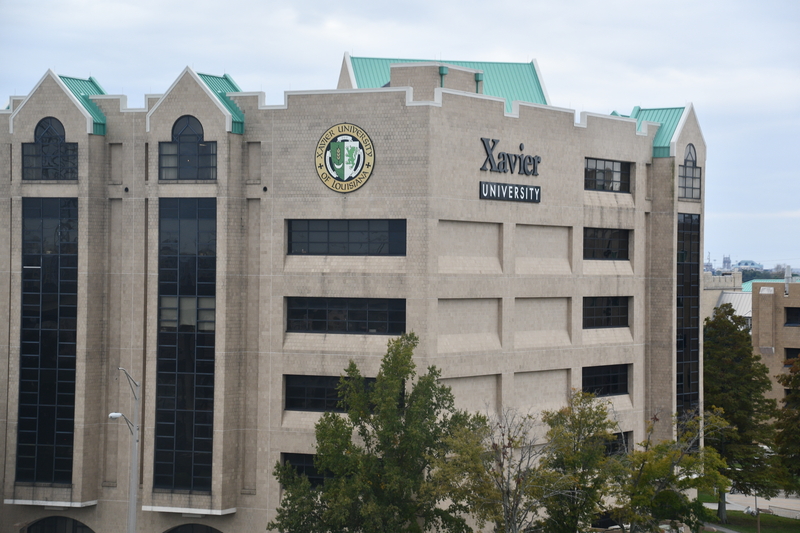
Xavier Ochsner College of Medicine has earned preliminary accreditation, clearing the way to welcome its first medical students in 2027. The New Orleans institution will become the Gulf South’s only historically Black medical school, marking a significant step toward addressing physician shortages, expanding opportunities for Black medical students and improving healthcare access in underserved communities across Louisiana and the region.Overview
Xavier Ochsner Medical School Earns Accreditation, Opening New Pathways for Black Physicians
The New Orleans medical school will begin recruiting its first class for 2027, marking a significant step toward expanding physician diversity and addressing healthcare shortages in underserved communities.
NEW ORLEANS, La. — The Xavier Ochsner Medical School has reached a historic milestone after receiving preliminary accreditation from the Liaison Committee on Medical Education (LCME), clearing the way to begin recruiting its inaugural class for summer 2027. Formally known as the Xavier Ochsner College of Medicine, the institution will become the only historically Black college or university (HBCU) medical school in the Gulf South, expanding opportunities for future physicians while addressing longstanding healthcare workforce shortages.
Announced October 14, the accreditation marks a significant development for medical education in the Gulf South, where longstanding physician shortages and disparities in access to healthcare continue to affect rural communities and communities of color. The college, established through a partnership between Xavier University of Louisiana and Ochsner Health, will become the only historically Black college or university (HBCU) medical school in the region.
The approval follows more than two years of institutional planning, including the college’s formation in 2024, its advancement to candidate status in October 2025 and an accreditation survey visit in June 2026. Preliminary accreditation indicates that the medical school has met the standards necessary to begin enrolling students, although it must undergo additional evaluations before receiving full accreditation.
For Xavier, the development builds on a century-long history of preparing African American students for careers in medicine and the health sciences. The university has long been recognized for its role in helping Black students pursue medical degrees, and the new college represents an expansion of that mission from undergraduate preparation to physician training.
“This is a historic moment for Xavier University of Louisiana, for New Orleans and for the future of medicine in this nation,” said Reynold Verret, Ph.D., president of Xavier University of Louisiana, in the university’s announcement.
Verret said the institution intends to expand opportunities for future physicians while strengthening the communities they will eventually serve.
Expanding the Physician Workforce and Addressing Health Disparities
The establishment of the Xavier Ochsner College of Medicine comes as the United States faces growing concerns about its physician workforce. According to projections cited by the college from the Health Resources and Services Administration, the country could experience a shortage exceeding 141,000 physicians by 2038, potentially worsening existing barriers to timely medical care.
Those challenges are particularly pronounced in Louisiana, where 60 of the state’s 64 parishes have federally designated Health Professional Shortage Areas, according to figures cited in the announcement. Such designations identify communities where the availability of healthcare professionals is insufficient to meet residents’ needs.
The consequences extend beyond the number of available doctors. Physician shortages can contribute to longer appointment wait times, greater travel distances for specialty care and reduced access to preventive services. These barriers can disproportionately affect lower-income households, rural residents and communities already experiencing higher rates of chronic disease.
Historically Black medical institutions have played an important role in creating pathways into the medical profession for students who have traditionally been underrepresented. Research and workforce initiatives have also highlighted the importance of supporting physicians who are prepared to practice in medically underserved communities.
The Robert Wood Johnson Foundation has emphasized the role of HBCUs in strengthening the healthcare workforce and expanding opportunities for Black healthcare professionals.
Increasing physician diversity is one part of addressing health inequities. Research has suggested that shared experiences and stronger communication between patients and clinicians can improve trust and engagement in healthcare, although representation alone cannot resolve broader barriers involving insurance coverage, transportation, affordability and access to services.
The Xavier Ochsner College of Medicine aims to connect academic instruction with clinical experience while preparing future physicians to understand the social and community conditions that influence patients’ health. Students will train alongside experienced clinical teams and receive an education emphasizing scientific knowledge, compassionate care and leadership.
“Together, we have created a transformational college of medicine where future physician leaders will be prepared to pursue excellence with purpose, embrace innovation, and respond to the evolving needs of patients and our communities,” said Leonardo Seoane, M.D., FACP, the college’s president and founding dean.
ALSO READ Health Literacy Is a Health Access Issue When Patients Cannot Understand or Navigate Care
A Long-Term Investment in New Orleans
Located in Benson Tower in New Orleans’ BioDistrict, the college is also expected to contribute to regional economic development through employment, research, educational activity and the eventual expansion of the physician workforce.
According to economic projections released by the institution, the college’s operations could generate approximately $152.5 million in economic impact across Louisiana by 2040, including $122 million in New Orleans, while supporting more than 1,185 jobs statewide. The institution also projects that physicians trained through the college could contribute an additional $2.9 billion to the national economy by that year. These figures are forecasts rather than realized economic outcomes.
The partnership builds on existing collaborations between Xavier and Ochsner, including the Ochsner-Xavier Institute for Health Equity and Research, as well as Xavier’s physician assistant and genetic counseling programs. Together, the institutions intend to create a medical education model that combines classroom instruction, clinical training and research focused on improving patient outcomes.
The college is expected to begin accepting applications through the American Medical College Application Service (AMCAS) in the coming weeks, with its first students scheduled to arrive in summer 2027.
While the long-term impact of the new medical school will depend on its ability to recruit, graduate and support future physicians, preliminary accreditation represents an important step toward expanding access to medical education. For communities across Louisiana and the Gulf South, its significance may ultimately be measured not only by the physicians it trains, but by whether more patients can obtain the care they need, closer to home.
Stay Informed. Stay Empowered.
Trending Topics

Features
- Drive Toolkit
Download and distribute powerful vaccination QI resources for your community.
- Health Champions
Sign up now to support health equity and sustainable health outcomes in your community.
- Cancer Early Detection
MCED tests use a simple blood draw to screen for many kinds of cancer at once.
- PR
FYHN is a bridge connecting health information providers to BIPOC communities in a trusted environment.
- Medicare
Discover an honest look at our Medicare system.
- Alliance for Representative Clinical Trials
ARC was launched to create a network of community clinicians to diversify and bring clinical trials to communities of color and other communities that have been underrepresented.
- Reducing Patient Risk
The single most important purpose of our healthcare system is to reduce patient risk for an acute event.
- Victor Mejia
- Jessica Wilson
- Jessica Wilson