










- By Jessica Wilson

Lung cancer remains the leading cause of cancer deaths in the United States, claiming more lives each year than breast, prostate, and colorectal cancers combined. Yet, despite advances in detection and treatment, many people continue to be diagnosed after the disease has progressed, when treatment can become more difficult. As November marks Lung Cancer Awareness Month, health experts are emphasizing the importance of prevention, early detection, and equitable access to screening, particularly for communities that continue to experience disparities in cancer care.
According to the National Cancer Institute’s 2026 estimates, approximately 229,410 people in the United States will be diagnosed with lung or bronchus cancer this year, and nearly 125,000 are expected to die from the disease. Although lung cancer is often associated with smoking, people who have never smoked can also develop the disease. Exposure to secondhand smoke, radon, asbestos, certain workplace chemicals, air pollution, family history, and previous radiation treatment can also contribute to a person’s risk. Smoking remains the leading risk factor for lung cancer, but a person’s risk cannot be determined by smoking history alone. Understanding other environmental and occupational exposures, recognizing potential warning signs, and discussing individual risk factors with a healthcare provider are important steps toward protecting lung health.
Lung cancer may not cause noticeable symptoms during its early stages. When symptoms do develop, they can include a persistent or worsening cough, chest pain, shortness of breath, coughing up blood, unexplained weight loss, and recurring respiratory infections. These symptoms can also be associated with other health conditions, but persistent or concerning changes should be evaluated by a healthcare professional. Waiting for symptoms to appear is not a substitute for recommended screening, particularly for people at higher risk. The importance of early detection is reflected in lung cancer survival outcomes. Data from the National Cancer Institute’s Surveillance, Epidemiology, and End Results (SEER) Program show that the overall five-year relative survival rate for lung and bronchus cancer is approximately 29.5%. However, outcomes are generally better when cancer is identified before it spreads beyond the lungs. Screening can help identify lung cancer earlier, creating more opportunities for timely evaluation and treatment.
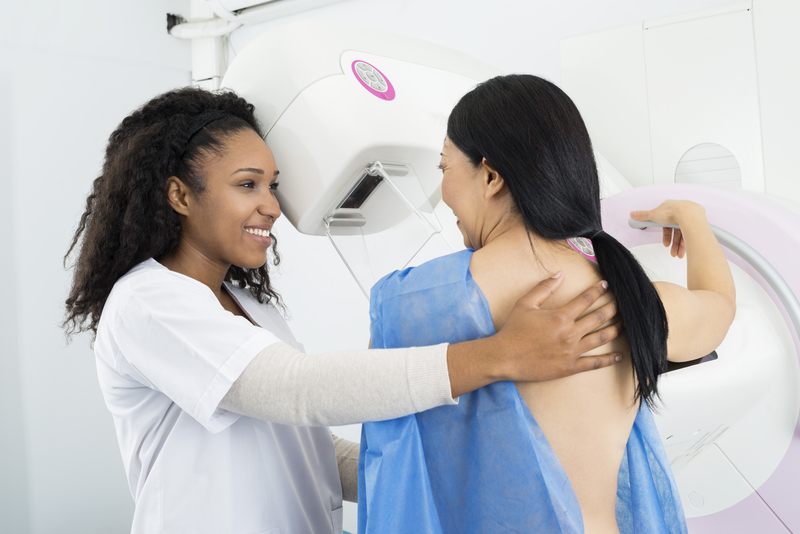
The U.S. Preventive Services Task Force recommends annual lung cancer screening with low-dose computed tomography (LDCT) for adults between the ages of 50 and 80 who have at least a 20 pack-year smoking history and currently smoke or quit within the past 15 years. A pack-year is calculated by multiplying the number of cigarette packs smoked per day by the number of years a person has smoked. For example, smoking one pack daily for 20 years equals 20 pack-years. Unlike a standard chest X-ray, an LDCT scan uses a low dose of radiation to produce detailed images of the lungs. The screening is intended for people who do not have symptoms but meet the recommended risk criteria. Individuals who have concerns about their eligibility, personal risk factors, or screening options should discuss them with their healthcare providers.
Addressing Lung Cancer Disparities in Communities of Color
While screening and treatment advancements have created opportunities to improve lung cancer outcomes, access to these services is not equal across all populations. Racial and ethnic disparities continue to influence when people receive a diagnosis, what treatment they receive, and their chances of survival.
According to the American Lung Association’s 2026 State of Lung Cancer report, Black individuals diagnosed with lung cancer are 13% less likely to be diagnosed at an early stage than White individuals. They are also 19% less likely to receive surgical treatment, 11% more likely to receive no treatment, and 13% less likely to survive five years. Latino individuals and Native American and Alaska Native populations also experience disparities in early diagnosis and treatment. These differences are not simply a reflection of individual health choices. Barriers such as limited health insurance coverage, transportation challenges, fewer screening facilities, financial concerns, limited access to specialists, and difficulty navigating the healthcare system can prevent people from receiving timely care. Environmental and occupational exposures may also contribute to differences in risk across communities.
Addressing these inequities requires more than encouraging individuals to seek screening. Healthcare systems must also work to make screening services accessible, provide culturally responsive patient education, strengthen communication between patients and providers, and ensure that individuals who receive an abnormal screening result can access appropriate follow-up care. Community organizations, healthcare professionals, and public health leaders also have an important role in helping people understand their risk and navigate available resources. When patients have access to reliable information and feel supported in conversations with their healthcare teams, they are better positioned to make informed decisions about their health.
The National Minority Quality Forum’s Sustainable Health Care Center is working to advance these efforts through its DRIVing Equity in Lung Cancer Screening Toolkit. The resource provides practical information for healthcare professionals, caregivers, and communities about lung cancer risk factors, symptoms, screening recommendations, and strategies to address barriers to early detection. It also offers patient education resources and guidance for improving screening access in underserved communities and communities of color. As Lung Cancer Awareness Month brings renewed attention to the disease, the focus extends beyond recognizing its impact. Increasing awareness must also include helping people understand their personal risk, encouraging conversations with healthcare providers, and addressing the barriers that prevent communities from receiving timely screening and treatment.
Lung cancer outcomes can improve when the disease is identified earlier and patients have access to appropriate care. Expanding education, strengthening screening programs, and advancing health equity are essential to ensuring that more people have the opportunity to receive an early diagnosis and the care they need.
Stay Informed. Stay Empowered.
Trending Topics
Features
- Drive Toolkit
Download and distribute powerful vaccination QI resources for your community.
- Health Champions
Sign up now to support health equity and sustainable health outcomes in your community.
- Cancer Early Detection
MCED tests use a simple blood draw to screen for many kinds of cancer at once.
- PR
FYHN is a bridge connecting health information providers to BIPOC communities in a trusted environment.
- Medicare
Discover an honest look at our Medicare system.
- Alliance for Representative Clinical Trials
ARC was launched to create a network of community clinicians to diversify and bring clinical trials to communities of color and other communities that have been underrepresented.
- Reducing Patient Risk
The single most important purpose of our healthcare system is to reduce patient risk for an acute event.
- Jessica Wilson
- Subash Kafle
- Jessica Wilson