










Heart disease remains the leading cause of death in the United States, and Black adults continue to face some of the highest risks in the country, according to federal health officials. The U.S. Department of Health and Human Services reports that Black Americans are about 35 percent more likely to die from heart disease than the overall U.S. population, a gap driven by higher rates of high blood pressure, diabetes and limited access to care. Public health experts say the danger often increases after age 40, when risk factors that have quietly developed for years begin to show their impact.
For many families, the numbers feel personal. Marlon Harris, a 42-year-old father from East Baltimore, said he rarely thought about his heart until he felt tightness in his chest while carrying groceries last year. “I thought I was just tired,” Harris said. “I didn’t know my blood pressure had been high for years.” Doctors later told him he had narrowly avoided a major heart attack. According to the Centers for Disease Control and Prevention, someone in the U.S. has a heart attack every 40 seconds, and high blood pressure remains one of the strongest predictors of heart disease.
Health experts say preventing heart attacks often comes down to practical, consistent habits rather than expensive treatments. The first step is knowing your blood pressure. Nearly 60 percent of Black adults have high blood pressure, according to data cited by the American Heart Association, and many do not realize it because symptoms are not always obvious. Doctors recommend regular screenings, which can often be done for free at pharmacies, community clinics or health fairs. Catching high blood pressure early allows patients to manage it before it damages arteries and strains the heart.

Another key factor is reducing added sugar and sugary drinks. Cardiologists note that frequent consumption of soda and sweetened beverages contributes to weight gain, diabetes and inflammation, all of which increase heart attack risk. Swapping sugary drinks for water, even gradually, can lower calorie intake and improve blood sugar control. Public health researchers emphasize that small daily changes, such as drinking water before meals or cutting back one soda at a time, can have measurable effects over months.
Physical activity also plays a central role in heart health, experts say. Regular movement helps lower blood pressure, improves circulation and strengthens the heart muscle. The American Heart Association recommends at least 150 minutes of moderate activity per week, but physicians stress that exercise does not require a gym membership. Walking around the neighborhood, climbing stairs, or taking short walks after meals can help reduce cardiovascular risk. Studies show that even brisk walking can significantly lower the likelihood of heart disease over time.
Managing stress is another often overlooked component of prevention. Long-term stress triggers hormones that can raise blood pressure and contribute to inflammation, according to cardiovascular specialists. For many Black adults, stress related to work, finances and systemic inequality adds to the burden. Health professionals recommend practical coping strategies such as deep breathing, prayer, meditation, limiting screen time before bed and building supportive relationships within the community. These approaches, while simple, can help stabilize heart rate and blood pressure.
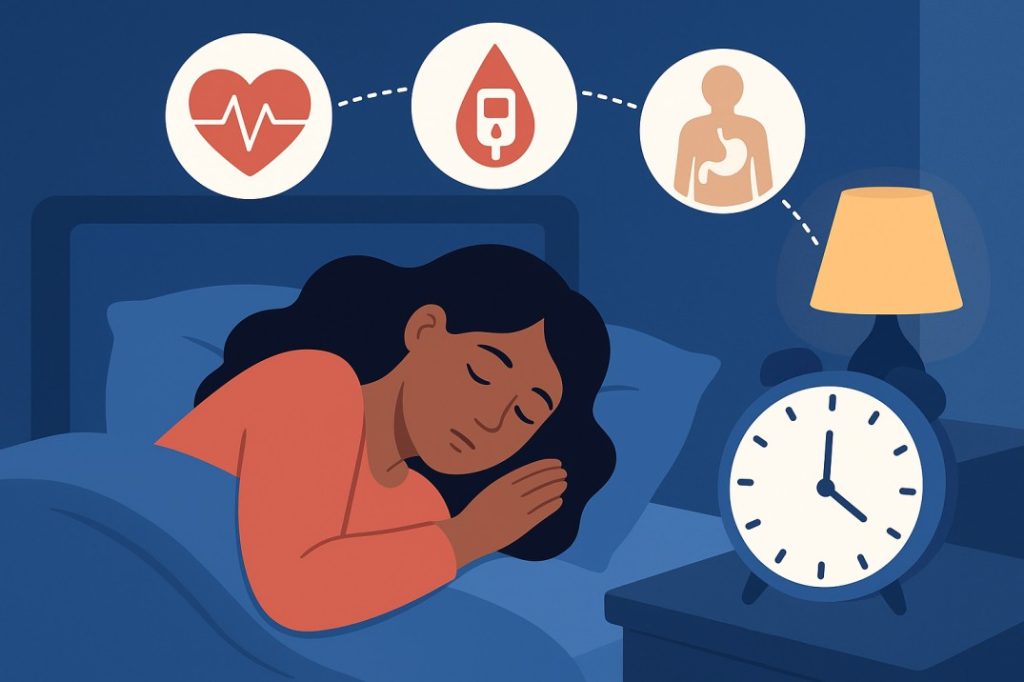
Finally, sleep remains a powerful but underused tool in protecting heart health. Research shows that adults who regularly sleep fewer than seven hours per night face higher risks of high blood pressure, obesity and heart disease. Establishing a consistent bedtime, reducing late-night phone use and creating a calm sleep environment can improve sleep quality without added cost. Doctors emphasize that adequate rest allows the body to repair blood vessels and regulate stress hormones, both of which are critical to heart function.
Experts say that while lifestyle changes are important, addressing broader health disparities is equally critical. A study from Tulane University found that social factors such as income, food insecurity and neighborhood conditions explain much of the difference in heart disease death rates between Black and white adults. Public health leaders argue that improving access to preventive care, healthy food options and safe spaces for exercise is essential to closing the gap.
For Harris, recovery has meant combining medical guidance with daily discipline. He now checks his blood pressure monthly at a local clinic, walks after dinner and keeps a reusable water bottle nearby. “I realized I can’t help my family if I’m not here,” he said.
As heart disease continues to affect communities of color at disproportionate rates, health officials stress that prevention must happen both at the policy level and at the personal level. Knowing your numbers, moving more, reducing sugar, managing stress and protecting sleep are steps that cost little but can save lives. In communities where too many families have lost loved ones too soon, those small daily decisions may be the difference between surviving and thriving.
Stay Informed. Stay Empowered.