










- By FYH News Team
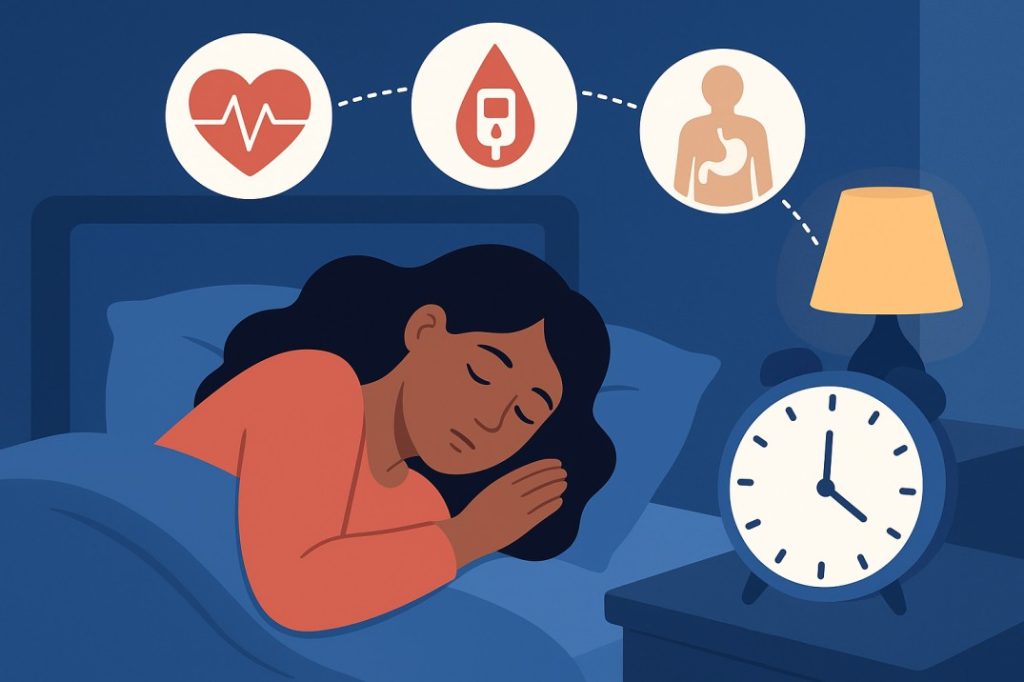
Getting enough sleep is essential for good health, yet many Americans are sleeping less and paying the price. New research highlights troubling trends in sleep duration across the United States and the serious health risks tied to insufficient rest.
Sleep and Heart Health: Why It Matters
Sleep is more than just rest—it’s vital for the body’s repair systems, metabolism, and cardiovascular health. Chronic lack of sleep has been linked to conditions like high blood pressure, diabetes, obesity, and heart disease. While experts have long warned about these risks, less is known about how sleep patterns have shifted over time and whether some communities are more affected than others.
What the Study Found
Researchers analyzed data from more than 413,000 adults who participated in the National Health Interview Survey between 2005 and 2018. Participants reported their typical nightly sleep duration and whether they had ever been diagnosed with conditions such as hypertension, coronary heart disease, diabetes, pre-diabetes, or obesity.
The results were clear: Americans are sleeping less. Average sleep time decreased slightly between 2005 and 2018, with the steepest decline occurring after 2010. Disparities exist by race and ethnicity. Mexican Hispanic adults experienced the largest drop in sleep—losing nearly 2 minutes per night each year—compared to less than 1 minute per year among white adults.
-
Less sleep means higher health risks. Each one-hour reduction in nightly sleep was associated with:
-
4% higher prevalence of hypertension
-
3% higher prevalence of diabetes
-
8% higher prevalence of obesity
-
These findings held true even after adjusting for age, sex, employment, marital status, and survey year.
Why This Matters
The study adds to growing evidence that insufficient sleep is a public health concern—one that contributes to rising rates of cardiometabolic disease. Importantly, the research also underscores health disparities, with some racial and ethnic minority groups facing a greater burden of sleep loss and its consequences.
What You Can Do
While some factors affecting sleep—such as work schedules and social stressors—are difficult to change, individuals can take steps to protect their rest and, in turn, their health: Aim for 7–9 hours of sleep per night. Keep a consistent bedtime and wake time. Limit screen use before bed. Create a quiet, dark, and cool sleep environment. Seek medical advice if you experience chronic sleep difficulties.
The Bottom Line
Sleep is more than a nightly habit—it’s a cornerstone of long-term health. As U.S. adults continue to lose sleep, especially within certain communities, the risk for hypertension, diabetes, and obesity may grow. Recognizing sleep as a public health priority is key to reducing the burden of chronic disease and promoting health equity.
Trending Topics

Features
- Drive Toolkit
Download and distribute powerful vaccination QI resources for your community.
- Health Champions
Sign up now to support health equity and sustainable health outcomes in your community.
- Cancer Early Detection
MCED tests use a simple blood draw to screen for many kinds of cancer at once.
- PR
FYHN is a bridge connecting health information providers to BIPOC communities in a trusted environment.
- Medicare
Discover an honest look at our Medicare system.
- Alliance for Representative Clinical Trials
ARC was launched to create a network of community clinicians to diversify and bring clinical trials to communities of color and other communities that have been underrepresented.
- Reducing Patient Risk
The single most important purpose of our healthcare system is to reduce patient risk for an acute event.
- Jessica Wilson
- Jessica Wilson
- Jessica Wilson