









Clinical Trials
‘The Time is Now’ to End Racial Inequities in Medical Research
[ad_1]
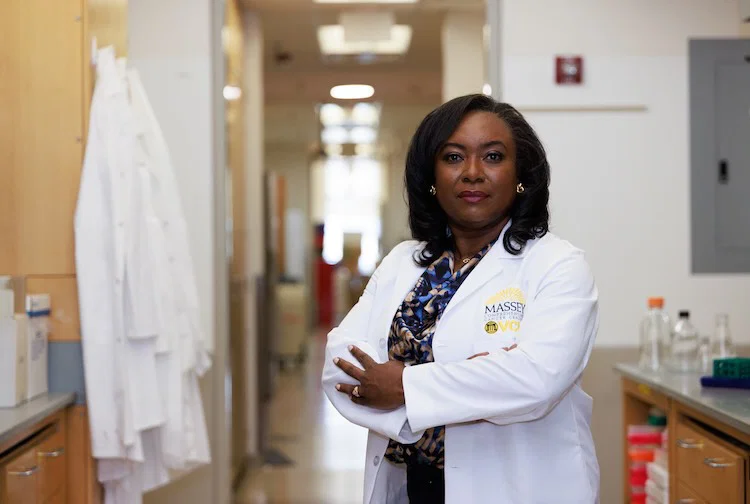
Quashing decades of structural racism in the biomedical research space will require running a marathon, not a sprint. But it’s a race Moni...
Lessons in Asian American history coming to schools this fall
[ad_1]
Public schools across the suburbs are gearing up to teach Asian American history this fall, after Illinois became the first state in the n...
Less Than Half of U.S.-Based Clinical Trials Report Race/Ethnicity
[ad_1]
MONDAY, April 11, 2022 — Less than half of U.S.-based trials report on race/ethnicity, and the median combined enrollment of minority ...
More than half of clinical trials do not repo
[ad_1]
Clinical trials represent one the largest investments of collective resources in science. These studies, which recruit participants and ri...
Rutgers–Camden Professor’s Grant to Tackle Racial Gaps in Local Breast Cancer Survival Rates : Rutgers-Camden Campus News
[ad_1]
The Robert Wood Johnson Foundation funds Wanda Williams’ research into racial divides in breast cancer detection, outcomes in underserved ...
Reimagining diversity in multiple myeloma clinical trials
[ad_1]
doi: 10.1002/hon.2997.
Online ahead of print.
Affiliations
E...

Trending Topics
Features
- Drive Toolkit
Download and distribute powerful vaccination QI resources for your community.
- Health Champions
Sign up now to support health equity and sustainable health outcomes in your community.
- Cancer Early Detection
MCED tests use a simple blood draw to screen for many kinds of cancer at once.
- PR
FYHN is a bridge connecting health information providers to BIPOC communities in a trusted environment.
- Medicare
Discover an honest look at our Medicare system.
- Alliance for Representative Clinical Trials
ARC was launched to create a network of community clinicians to diversify and bring clinical trials to communities of color and other communities that have been underrepresented.
- Reducing Patient Risk
The single most important purpose of our healthcare system is to reduce patient risk for an acute event.