











- By FYH News Team
[ad_1]
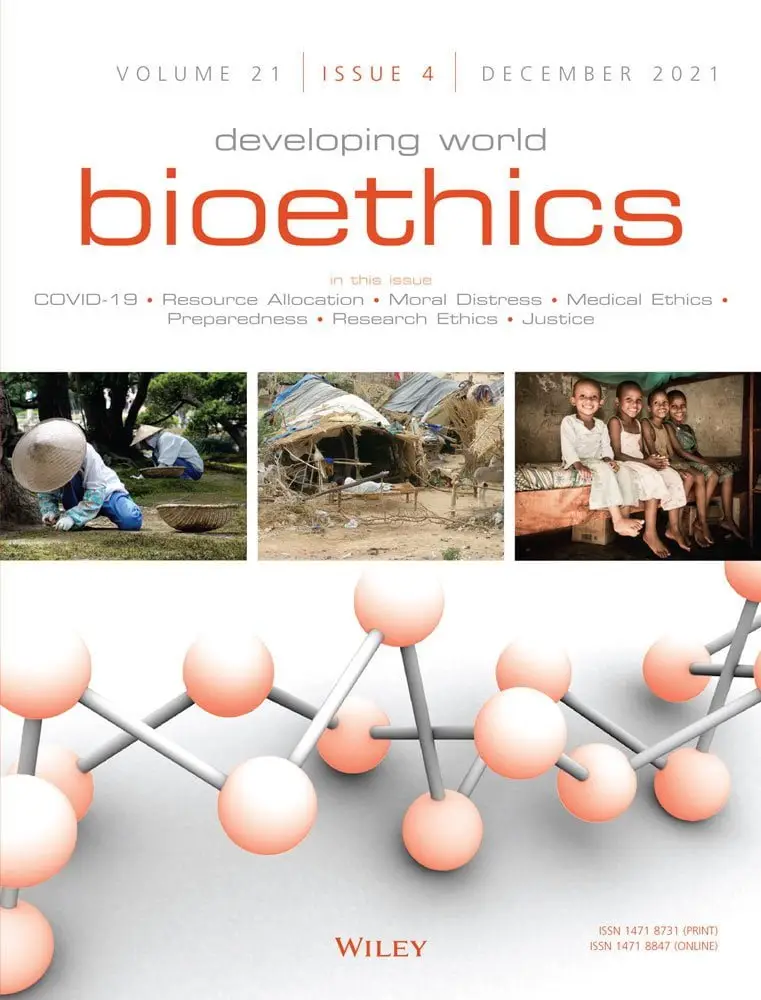
The particular dynamics of public health emergencies urge scientists and Ethics Committee (EC) members to change and adapt their operating procedures to function effectively. Despite having previous pandemic experiences, ethics committees were unprepared to adapt to COVID-19 pandemic challenges. This survey aims to learn and thoroughly discuss the most salient issues for ECs during the COVID-19 pandemic. The results indicate that the main problems faced by ECs were lack of/insufficient regulations, lack of data/experience/knowledge, sloppy review, poor research design, and poor adaptation to quarantine measures. Coping with factors that threaten the autonomy and independence of ECs, the ethical dilemma regarding maximizing common good versus protecting the rights and well-being of study participants, comprehending the change in the context of vulnerable populations, and redefining the role of ECs to strengthen trust in science and vaccine confidence were outstanding issues.
[ad_2]
Source link
Trending Topics

Features
- Drive Toolkit
Download and distribute powerful vaccination QI resources for your community.
- Health Champions
Sign up now to support health equity and sustainable health outcomes in your community.
- Cancer Early Detection
MCED tests use a simple blood draw to screen for many kinds of cancer at once.
- PR
FYHN is a bridge connecting health information providers to BIPOC communities in a trusted environment.
- Medicare
Discover an honest look at our Medicare system.
- Alliance for Representative Clinical Trials
ARC was launched to create a network of community clinicians to diversify and bring clinical trials to communities of color and other communities that have been underrepresented.
- Reducing Patient Risk
The single most important purpose of our healthcare system is to reduce patient risk for an acute event.
- Subash Kafle
- Victor Mejia
- Jessica Wilson