












[ad_1]
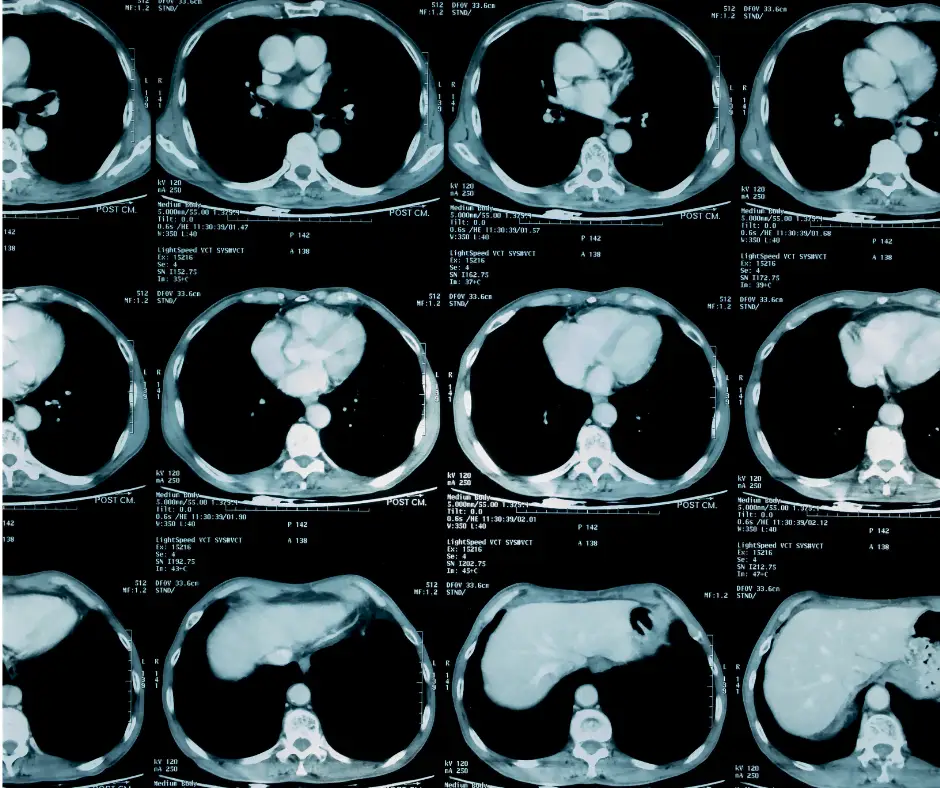
Significantly expanding Medicare coverage for lung cancer screening, a new national coverage determination (NCD) from the Centers for Medicare and Medicaid Services (CMS) may facilitate earlier detection and treatment of a disease that accounts for approximately 25 percent of all cancer-related fatalities in the United States.
The NCD has lowered the starting age for Medicare-covered lung cancer screening (via low-dose computed tomography (LDCT)) from 55 to 50 years of age. Anupam Basu, MD, MBA, praised the expanded Medicare coverage and estimated that approximately 15 percent of patients he has diagnosed with lung cancer have been younger than 55 years of age.
“I do think (the expended Medicare coverage) will increase the likelihood of earlier detection of treatable lung cancers and increase the pool of patients that are eligible,” noted Dr. Basu, an associate professor at Rush University Medical Center in Chicago. “The incremental impact might be difficult to perceive on a macro scale, but this will undoubtedly make a huge impact for individual patients.”
Dr. Basu said the NCD’s lowering of smoking history requirements from 30 pack years to 20 pack years for lung cancer screening coverage is particularly significant for minority populations.
“This is the crux of our publication from a couple years ago in the Journal of the American College of Radiology and numerous other publications that make the case that the 30-pack year threshold is too high for minority populations, particularly African-American patients, who overall didn’t seem to have the same smoking intensity (and length), but had a equal if not higher incidence of cancer,” explained Dr. Basu. “The 20-pack year threshold is much more realistic and thus will hopefully make a large dent in the number of minority populations that are eligible to be screened.”
The expanded Medicare coverage for lung cancer screening may also result in a significant stretch of bandwidth for busy radiologists.
“Many radiology groups are having difficulty with staffing, and the added number of screening chest CTs is undoubtedly going to cause a screening backlog and a strain on already stretched resources,” acknowledged Dr. Basu. “Groups might have to ‘ration’ available CT slots for screening to make sure that they have the bandwidth to interpret these exams in a timely fashion.”
In the NCD, the CMS also requires imaging facilities to employ a standard system for identifying, classifying, and reporting lung nodules.
“In my experience, the standard Lung-RADS terminology is very user-friendly, and is a great framework to standardize follow up,” maintained Dr. Basu. “I agree that this terminology should be used in an effort to keep referring physicians and radiologists on the same page with regard to the severity or importance of a particular finding.”
[ad_2]
Source link
Trending Topics

Features
- Drive Toolkit
Download and distribute powerful vaccination QI resources for your community.
- Health Champions
Sign up now to support health equity and sustainable health outcomes in your community.
- Cancer Early Detection
MCED tests use a simple blood draw to screen for many kinds of cancer at once.
- PR
FYHN is a bridge connecting health information providers to BIPOC communities in a trusted environment.
- Medicare
Discover an honest look at our Medicare system.
- Alliance for Representative Clinical Trials
ARC was launched to create a network of community clinicians to diversify and bring clinical trials to communities of color and other communities that have been underrepresented.
- Reducing Patient Risk
The single most important purpose of our healthcare system is to reduce patient risk for an acute event.
- Subash Kafle
- Victor Mejia
- Jessica Wilson



