









Diabetes & Skin Care: What You Need to Know During American Diabetes Month

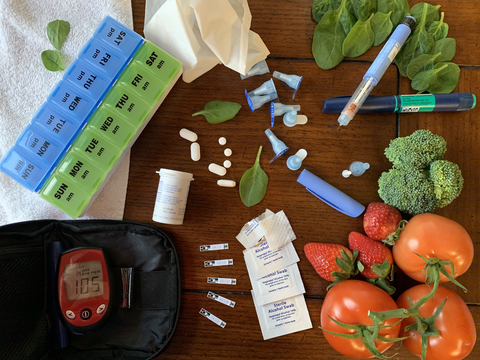
November is American Diabetes Month, a time dedicated to raising awareness about diabetes prevention, management, and the many ways the condition affects daily life. One of the lesser-discussedโ€”but incredibly importantโ€”areas of diabetes management is skin health.

Skin complications are often an early sign of diabetes, and with proper care, many issues can be prevented or managed effectively.

Diabetes can affect the skin in several interconnected ways. High blood sugar levels cause the body to lose fluid, which often leads to dry, cracked, or itchy skin, while also weakening the skinโ€™s ability to fight bacteria and heal wounds. Poor circulationโ€”especially in the legs and feetโ€”reduces blood flow and results in delayed healing, thinner skin, and a greater risk of infection. Nerve damage (neuropathy) further complicates this by reducing sensation, meaning cuts, blisters, or sores may go unnoticed and worsen over time. Additionally, a weakened immune response makes people with diabetes more vulnerable to bacterial and fungal infections, as well as skin conditions specifically associated with diabetes.


Common Skin Conditions Linked to Diabetes

1. Dry Skin & Itching

Dryness commonly affects the legs, arms, and elbows. Scratching can lead to breaks in the skin and infections.

2. Diabetic Dermopathy (โ€œShin Spotsโ€)

Light brown or reddish patches on the shins. These are harmless but reflect underlying vascular changes.

3. Fungal Infections

Conditions like athleteโ€™s foot, jock itch, ringworm, and yeast infections occur more often due to high glucose levels.

4. Bacterial Infections

Styes, boils, and infected hair follicles can develop more frequently and may be more severe.

5. Necrobiosis Lipidic

A more rare condition causing raised, shiny, yellowish-red patches, often on the legs. It requires medical care.

6. Slow-Healing Wounds

Small cuts or blisters can progress to ulcersโ€”especially on the feet.

Essential Skin Care Tips for People With Diabetes

Proper skin care is essential for people with diabetes, and a few daily habits can make a significant difference. Start by keeping the skin moisturized with fragrance-free lotions or creams after bathing, focusing on areas like the elbows, hands, and legs, but avoid applying lotion between the toes to prevent fungal growth. Inspect your skin every day for cuts, redness, blisters, or soresโ€”especially on the feetโ€”and practice gentle cleansing using warm (not hot) water and mild soap to preserve natural oils. Staying hydrated supports skin moisture from within, while protecting your feet with comfortable shoes, clean cotton socks, and avoiding walking barefoot helps prevent injuries. Maintaining healthy blood sugar levels is crucial, as it reduces the risk of many skin complications. Treat any wounds immediately by gently washing them, applying antibiotic ointment if needed, and covering them with a bandage; seek medical attention if they do not improve. During colder months, using a humidifier can also help prevent dryness and skin cracking.


When to Seek Medical Attention

Contact a healthcare provider if you notice:

  • Wounds that donโ€™t heal 
  • Persistent rashes or unexplained skin changes 
  • Signs of infection: redness, warmth, swelling, or pus 
  • Pain, numbness, or tingling in the feet 

Early intervention can prevent serious complications.ย 

Diabetes and skin health are deeply connectedโ€”but with awareness and daily care, most skin problems are preventable. This American Diabetes Month, take time to understand how diabetes affects the body as a whole. Protecting your skin isnโ€™t just about comfortโ€”it’s an essential part of staying healthy with diabetes.

Trending Topics

Features

Download and distribute powerful vaccination QI resources for your community.

Sign up now to support health equity and sustainable health outcomes in your community.

MCED tests use a simple blood draw to screen for many kinds of cancer at once.

FYHN is a bridge connecting health information providers to BIPOC communities in a trusted environment.

Discover an honest look at our Medicare system.

ARC was launched to create a network of community clinicians to diversify and bring clinical trials to communities of color and other communities that have been underrepresented.

The single most important purpose of our healthcare system is to reduce patient risk for an acute event.

Related Posts
Hepatitis A and B Vaccination: Closing the Access Gap
NEKC Kidney Health Equity: Recognition at ASN Kidney Week 2025
A Quiet Start to Winter: Why Respiratory Illnesses Are Lowโ€”and How Quickly That Could Change
Scroll to Top
Featured Articles
Hepatitis A and B Vaccination Closing the Access Gap
Hepatitis A and B Vaccination: Closing the Access Gap
NEKC Kidney Health Equity Recognition at ASN Kidney Week 2025
NEKC Kidney Health Equity: Recognition at ASN Kidney Week 2025
A Quiet Start to Winter: Why Respiratory Illnesses Are Lowโ€”and How Quickly That Could Change
A Quiet Start to Winter: Why Respiratory Illnesses Are Lowโ€”and How Quickly Th...
Vivian Clark-James and Health Equity in South Carolina
Vivian Clark-James and Health Justice in South Carolina
The CDCโ€™s Advisory Committee on Immunization Practices is evaluating early-life Hepatitis B vaccination. Hereโ€™s what we know so far, and why potential changes matter for communities of color.
What to Know from the Latest ACIP Meeting: Hepatitis B Vaccine Review Raises ...
Older African American couple smiling while participating in a community-based nutrition class featuring culturally relevant recipes and food demonstrations.
How Cultural Nutrition Programs Are Reshaping Health Outcomes for Older Black...
Categories
AI
BIPOC News
Cancer
Clinical Trials
Covid19
Diseases of the Body
Environment
Health Data
Health Equity Events
Health Policy
Heart Health
kidney Health
Subscribe to our newsletter to receive our latest newsโ€‹
All Stories
Hepatitis A and B Vaccination Closing the Access Gap
Hepatitis A and B Vaccination: Closing the Access Gap
NEKC Kidney Health Equity Recognition at ASN Kidney Week 2025
NEKC Kidney Health Equity: Recognition at ASN Kidney Week 2025
A Quiet Start to Winter: Why Respiratory Illnesses Are Lowโ€”and How Quickly That Could Change
A Quiet Start to Winter: Why Respiratory Illnesses Are Lowโ€”and How Quickly Th...
BIPOC News
Vivian Clark-James and Health Equity in South Carolina
Vivian Clark-James and Health Justice in South Carolina
The CDCโ€™s Advisory Committee on Immunization Practices is evaluating early-life Hepatitis B vaccination. Hereโ€™s what we know so far, and why potential changes matter for communities of color.
What to Know from the Latest ACIP Meeting: Hepatitis B Vaccine Review Raises ...
Cutting Through the Noise: Vaccine Myths, Facts, and the Fight for Health Equity
Environment
Interior view of a data center with rows of servers and cooling equipment, representing the massive energy and computing demands of xAIโ€™s Memphis supercomputer facility.
Environmental Justice on Display: xAI Supercomputer Operation Sparks Clean Ai...
Lung Cancer Inequities in Low-Income Minority Communities
Government Shutdown Threatens Food Access in Black & Brown Communities
Work Force
dreamstime_s_243253251
The Caregiver Journey: The Hidden Backbone of American Healthcare
Families gather at a Bronx community festival with live music, kidsโ€™ activities, and health booths sharing SOMOS social care resources and free screenings.
Celebrating Hispanic heritage while learning about health care

msn

Racial/Ethnic Minorities have Greater Declines in Sleep Duration with Higher Risk of Cardiometabolic Disease
Racial/Ethnic Minorities have Greater Declines in Sleep Duration with Higher ...

pubmed

Clinical Trials
A diverse clinical research team collaborating in a modern lab, representing progress in FDA leadership, equity in clinical trials, and inclusive drug development
What Dr. Richard Pazdurโ€™s Appointment to FDA CDER Means for Equity in Clinica...
Illustration of the EASEE minimally invasive brain-stimulation device used to treat drug-resistant focal epilepsy, developed by PRECISIS GmbH.
FDA Greenlights Pivotal U.S. Study for Minimally Invasive Epilepsy Therapy EA...
Pop-Up Clinics: Bringing Health Equity to Where Itโ€™s Needed Most
Vaccines and Outbreaks
Hepatitis A and B Vaccination Closing the Access Gap
Hepatitis A and B Vaccination: Closing the Access Gap
A Quiet Start to Winter: Why Respiratory Illnesses Are Lowโ€”and How Quickly That Could Change
A Quiet Start to Winter: Why Respiratory Illnesses Are Lowโ€”and How Quickly Th...
South Carolina Measles Outbreak
Measles Outbreak in South Carolina Continues to Grow, Raising Concerns About ...
Other Categories
AI
Cancer
Read the latest Cancer stories trending around the world
Covid19
Diseases of the Body
Read about the latest Diseases of the Body trending around the world
Friday Webinars
Every Friday, we bring you insightful webinars covering critical topics in healthcare, data equity, and policy reform.
Health Data
Read the latest Health Data stories trending around the world
Health Equity Events
Read the best Health Equity Events around the country.
Health Policy
Read the latest Health Policy stories trending around the world
Heart Health
Read the latest on Heart Health News, Stories and Tips.
kidney Health
Read more trending News about Kidney Health, Stories and Tips.
LGBTQ Health
Read the latest LGBTQ Health stories trending around the world
Lift Every Voice Patient Network