











Does type 2 diabetes affect men and women the same way? What are the differences?
[ad_1]
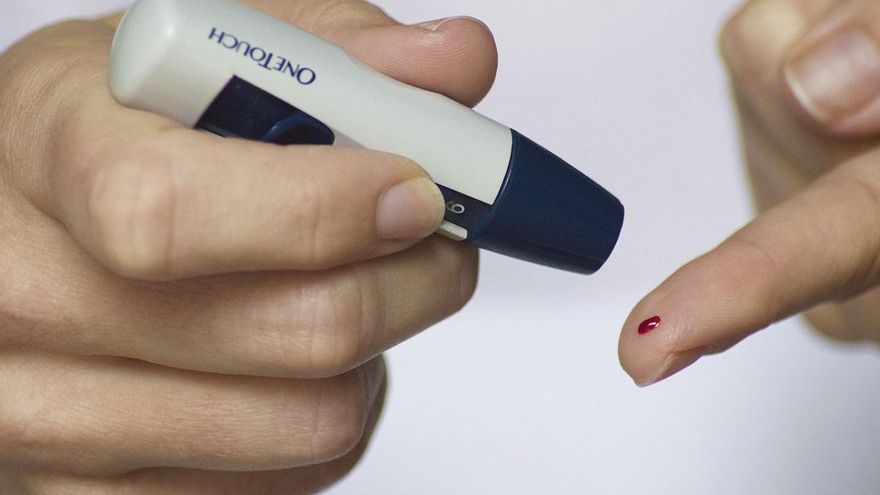
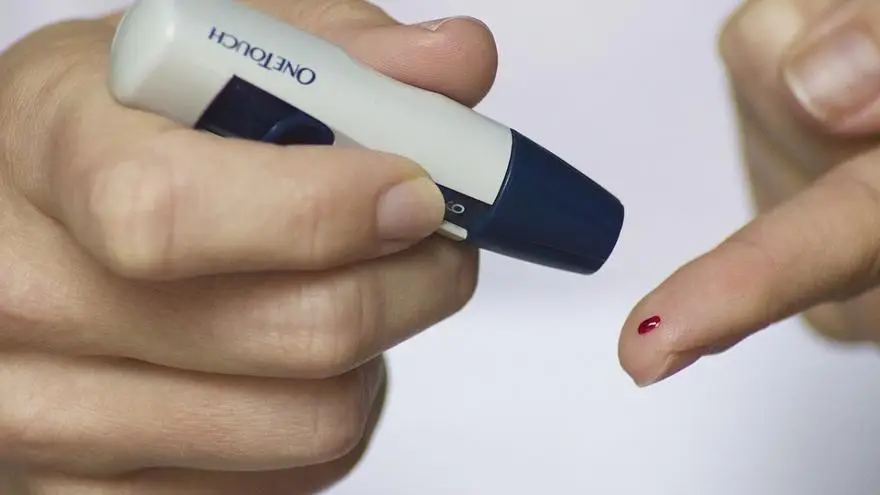
Nearly 6 million people in Spain suffer from type 2 diabetes, a condition that affects both men and women, but has different manifestations and development depending on the sex of the patient.
Connected
There are several differences between men and women when we talk about type 2 diabetes.
That’s how Dr. Mª Dolores Garcia de Lucasinternal medicine services of the Hospital Costa del Sol (Malaga)
-
First, this is they are diagnosed with this chronic disease later that in them This fact is due to several reasons, such as “the priority of the role of the guardian, which causes her to delay going to the doctor.”
-
But this is not the only differentiating factor. doctor Ana Isabel Jimenez Milan from the endocrinology service of the University Hospital of Puerto Real (Cádiz) adds that “women require a longer time of insulin resistance and a higher degree of obesity to develop diabetes.”
-
And, as Dr. Garcia de Lucas comments, “in women, doctors sometimes set less ambitious goals in the control of the disease and the treatment of vascular risk factors” derived from diabetes, with less intensity.
-
To this should be added the fact that after the detection of diabetes in women, its manifestations, development and occurrence of complications, different from those in men, remain a little-known fact to the scientific community.
However, “although there are data describing it with reasonable certainty, the impact that this differential fact has in the treatment of a woman or a man with type 2 diabetes has not always been taken into account,” says Dr. Jimenez Milan.
Type 2 diabetes mellitus in women: differential aspects
Prevalence type 2 diabetes in women is 8.6%.
In addition to social factors that delay the diagnosis of type 2 diabetes in women, there are also specific pathologies of women that determine a greater risk of developing type 2 diabetes such as polycystic ovary syndrome and gestational complications.
For example, as Dr. Garcia de Lucas states:
-
” gestational diabetes causes the subsequent development of type 2 diabetes by 19% cases and suggests a doubling of the risk of cardiovascular disease.
In addition, according to Dr. Jiménez Milan, “Inflammatory diseases and mood disorders, such as anxiety and depression, should be our focus as we also need to consider these considered ‘non-classical’ or emerging risk factors.”
Thus, each stage of a woman’s life is a challenge when it comes to identifying or treating type 2 diabetes, as there are factors specific to the female condition, such as the hormonal profile, that influence the development and control of diabetes. diabetes and cardiovascular disease.
As Dr. Garcia de Lucas explains:
-
“in adolescence eating disorders, menstruation, or polycystic ovaries.
-
Later, in youth motherhood may occur, which may be accompanied by gestational diabetes
-
And finally at maturitymenopause and its metabolic changes.
This motivates, states Dr. Jiménez Milan, that “in the treatment of patients, comorbidities such as hypertension or dyslipidemia, especially in premenopausal women, should be minimized and should not be considered in the context of ongoing diabetes or in a pre-diabetic situation.
Despite these features that predispose women to type 2 diabetes, “the late detection of type 2 diabetes in women is a fact that explains why, once type 2 diabetes appears, the complication rate is higher and the evolution presents more comorbidities,” emphasizes Dr. Jimenez Milan.
The specialist also adds that “among these complications, women are at greater risk of developing cardiovascular complications and heart failure, which are a number of features that are not always adequately assessed, leading to worse development.”
And, as Dr. Garcia de Lucas points out, “After menopause, vascular complications, stroke, or peripheral arterial disease occur more frequently and more severely than in men.”
The Importance of Disclosure
In short, women present a different profile in the development and complications of type 2 diabetes, so “it is necessary to plan and understand this disease from a gender perspective, which will lead to better prevention, treatment and differentiated care,” says the doctor. Garcia de Lucas.
For this reason, one of the main challenges in the treatment of this pathology in women goes beyond healthcare, that is, it is the popularization of existing knowledge about the clinical manifestations of type 2 diabetes, its prognosis, pharmacological response and social barriers in women.
“Awareness and specific training of medical teams is the key to improving the treatment of female patients,” adds Dr. Jimenez Milan. It is both experts who agree that “at the institutional level, it is important to launch dedicated campaigns to promote self-care in patients with a personalized approach to epidemiological analyzes and research on interventions in the health of men and women. And for this, it is necessary that the scientific community include lines of research that indicate directions for specific diagnostic and therapeutic intervention in women with diabetes.”
[ad_2]
Source link





