










- By FYH News Team
[ad_1]
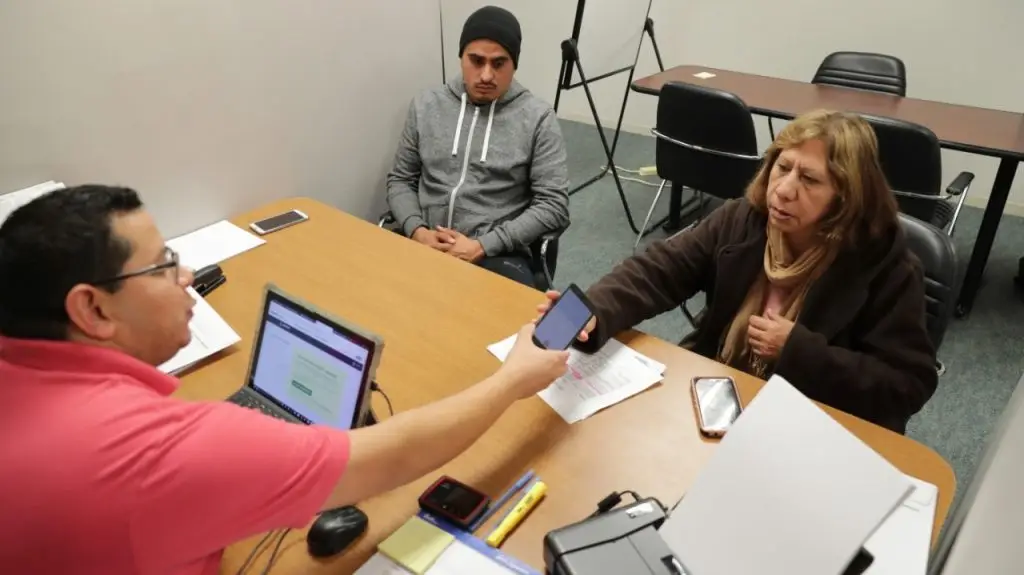
Even for those of us with health insurance, navigating and understanding your coverage can be a taxing and difficult process, with ample paperwork requiring hours to sort through. For many people who don’t get health insurance on the job, confusion and complexity arise at an earlier stage when they try to enroll in coverage.
Enrolling in something as critical as health insurance should not be “difficult or confusing,” yet many people remain uninsured either because they are unaware of their eligibility or find the process daunting.
There are serious challenges ahead to keep families covered due to the pending Medicaid unwinding, which has the potential to terminate Medicaid for nearly 5 million Latinos. The Biden administration must use every tool available to connect uninsured individuals to affordable health coverage and fully realize the opportunities presented by both the Affordable Care Act (ACA) and the Inflation Reduction Act passed last year. One way the administration can help is by creating a template for states to utilize waivers needed to automatically enroll eligible, uninsured families who request assistance with health coverage through state income tax forms.
Despite unprecedented progress in enrolling more people into health coverage, millions of Latinos and other individuals are denied health care due to a longstanding “enrollment gap.” In 2017, more than 7.5 million people were uninsured but eligible for Medicaid or the Children’s Health Insurance Program (CHIP). Recent investments made through the Inflation Reduction Act made more than 6.5 million uninsured Americans eligible for zero-premium coverage. While the recent open enrollment period saw a 13 percent increase in enrollment from the previous year, millions of people are still uninsured but eligible for coverage.
During his very first month in office, President Biden expressed his vision for helping more people obtain quality, affordable health insurance but the enrollment gap presents a serious obstacle to achieving this goal.
The enrollment gap exacerbates preexisting racial and ethnic disparities in access to coverage and care. In 2017, Latinos made up more than one-fourth, and Black Americans made up more than one-fifth, of everyone under age 65 who had no health insurance. Nearly 1 in 5 Latinos were uninsured in 2021, compared to just 1 in 20 non-Hispanic Whites.
While Latinos and members of other communities of color are particularly likely to be uninsured, many are already eligible for affordable health coverage. Around 2.5 million uninsured Latinos are eligible for affordable marketplace coverage and even more qualify for coverage through Medicaid or CHIP, including nearly 1 million Latino children. Closing the enrollment gap is essential to reducing some of these longstanding disparities in health care access.
For many, the gap results from a lack of awareness that health programs are available or because signing up for coverage is seen as too “difficult or confusing.” For Latinos, the lingering chilling effect of the public charge rule contributes to the enrollment gap as families worry about the immigration consequences of enrolling in public programs. Lack of awareness is also driven, in part, by inadequate investment in culturally and linguistically competent outreach. Historically, Latinos — particularly bilingual and Spanish speakers — are far less likely to have heard about affordable marketplace coverage than non-Hispanics and English-only speakers. Offering quality and affordable health care means little to someone who is not aware of it, or how to enroll.
One straightforward method of addressing the enrollment gap is for a state to look to data it already has access to, which establishes an individual’s eligibility for health coverage, and take the burden off overworked families by automatically enrolling them into affordable health coverage when they qualify for it. Many families already provide relevant income information to the state through their tax filings. In fact, in 2020, more than 90 percent of all Latinos without health insurance filed federal income tax returns according to Census data. These returns provide the state with most of the information necessary to determine if a family qualifies for coverage.
Ten states already give uninsured families the option to have relevant information sent to the state’s health agencies to see if the family qualifies for free or low-cost insurance, by simply checking a box on their state income tax return. These “easy enrollment” policies are designed so that people who know very little about health programs can find out that they are eligible. Ideally, they can also make it possible to enroll with minimal effort.
Adoption of easy enrollment policies — particularly in states with larger Latino populations — could help address Latinos’ disproportionate share of the remaining uninsured population. Open enrollment 2023 saw record-breaking enrollment, with millions of individuals receiving affordable or zero-premium coverage due to the Inflation Reduction Act. The Biden administration can further extend the impact of the act and build upon its legacy of expanding health coverage by taking one simple action: promulgating a waiver template that lets states place the eligible uninsured into health programs.
As we recover from the COVID-19 pandemic and lay the foundation for a stronger and more inclusive health system, it is critical that no family be left behind.
Matthew Snider is a senior health policy analyst at UnidosUS, formerly the National Council of La Raza, a Latino civil rights and advocacy organization.
Copyright 2023 Nexstar Media Inc. All rights reserved. This material may not be published, broadcast, rewritten, or redistributed.
[ad_2]
Source link
Trending Topics
Features
- Drive Toolkit
Download and distribute powerful vaccination QI resources for your community.
- Health Champions
Sign up now to support health equity and sustainable health outcomes in your community.
- Cancer Early Detection
MCED tests use a simple blood draw to screen for many kinds of cancer at once.
- PR
FYHN is a bridge connecting health information providers to BIPOC communities in a trusted environment.
- Medicare
Discover an honest look at our Medicare system.
- Alliance for Representative Clinical Trials
ARC was launched to create a network of community clinicians to diversify and bring clinical trials to communities of color and other communities that have been underrepresented.
- Reducing Patient Risk
The single most important purpose of our healthcare system is to reduce patient risk for an acute event.
- Victor Mejia
- Jessica Wilson
- Jessica Wilson