












- By Subash Kafle
FLINT, Mich. — The National Minority Quality Forum is seeking to deepen collaboration with healthcare, industry and policy leaders across Michigan as its early cancer detection work in Flint moves into a new phase and a local clinical research effort approaches its 200-participant enrollment goal.
The work builds on a community town hall held in Flint in January, where residents connected with health screenings, prevention information, community resources and conversations about cancer risk and earlier disease detection.
Since then, NMQF has continued working in Flint to better understand how emerging approaches to cancer detection can be introduced in communities while ensuring that access, affordability, follow-up care and healthcare infrastructure keep pace with scientific innovation.
An important part of that effort has been enrollment in NMQF’s Community Health Biobank, a community-centered research initiative designed to support research around cancer detection and appropriate follow-up care.
With the research exercise now nearing its 200-person enrollment goal, NMQF is preparing for the next stage of the initiative: evaluating what the research can teach healthcare leaders while building stronger partnerships around how new approaches to early detection could eventually be implemented in real-world community settings.
The emerging results are expected to help inform a broader conversation about cancer detection, health access and the role that healthcare systems, policymakers, researchers and industry can play in moving scientific advances closer to the communities that could benefit from them.
Why Flint Matters to the Early Detection Conversation
Flint and the surrounding Genesee County community provide an important setting for examining the opportunities and challenges surrounding earlier disease detection.
Michigan health data show that 909 Genesee County residents died from cancer in 2024, with an age-adjusted cancer death rate of 161.6 deaths per 100,000 people. Cancer was the county’s second-leading cause of death that year, behind heart disease.
An analysis of Genesee County Medicare data used in the Flint initiative also provides additional context. After adjusting for age, lung cancer prevalence was approximately 11% above the national comparison, while prostate cancer prevalence was approximately 13% above.
The analysis also found higher healthcare utilization among Medicare beneficiaries carrying cancer indicators. Average annual Medicare spending was approximately $25,673 among beneficiaries with the cancer indicators examined in the analysis, compared with $14,771 among beneficiaries without those indicators.
Those findings do not establish what caused individual cancer cases or determine whether earlier screening would have prevented them. Instead, they highlight the health burden facing the region and the importance of understanding how earlier detection could fit into a broader system of prevention, diagnosis, navigation and care.
Advances in technologies such as liquid biopsy, genomic testing and multi-cancer early detection are expanding what may eventually be possible in cancer screening and diagnosis.
But the availability of new technology is only one part of the challenge.
For innovation to have meaningful impact, healthcare systems must also address questions about affordability, insurance coverage, reimbursement, provider readiness, patient navigation and access to appropriate follow-up care.
That is why NMQF’s work in Flint extends beyond the clinical research itself.
Building Partnerships Around What Comes Next
As the Flint research effort approaches its enrollment goal, NMQF is seeking to work more closely with Michigan healthcare organizations, industry partners, policymakers, researchers and community organizations to consider what the findings may mean for the future of earlier disease detection.
Each part of the healthcare system has a different role.
Researchers and technology developers can help advance new diagnostic approaches. Healthcare providers and health systems must determine how those tools could fit within clinical care. Payers and policymakers influence coverage, reimbursement and affordability. Community organizations can help residents understand available services, navigate healthcare systems and connect with appropriate follow-up resources.
Effective implementation will require those groups to work together.
The goal is not simply to determine whether science can detect disease earlier. The larger question is whether healthcare systems can build the infrastructure necessary to translate advances in detection into accessible and practical care.
That includes determining who should receive testing, how testing should be integrated into existing care, what happens after an abnormal result, how patients move through follow-up services and whether new approaches can reach communities outside major medical and research centers.
NMQF plans to continue those conversations with Michigan leaders as the Flint initiative progresses.
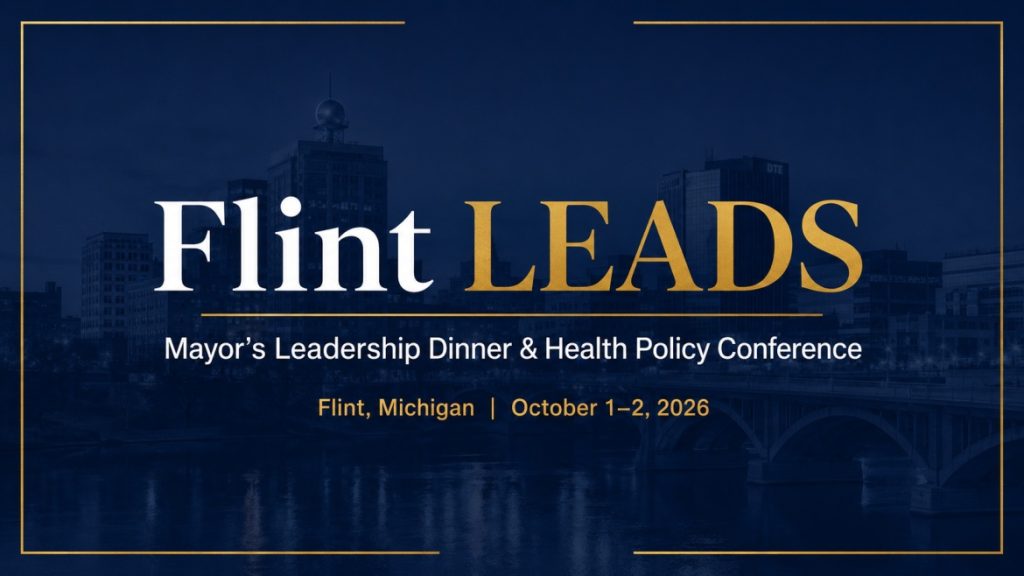
An October gathering of healthcare, government, research, industry and community stakeholders will provide another opportunity to discuss early detection, implementation, investment and policy, but it represents one part of a broader effort that began with community engagement and research in Flint and is expected to continue as findings from the initiative become available.
For NMQF, the next phase is about connecting what is being learned through clinical research with the institutions and leaders capable of turning evidence into action.
As cancer detection science continues to advance, Flint offers an opportunity to examine not only what new technology can identify, but what it takes to make those advances meaningful for patients and communities.
The research is approaching an important milestone. The next challenge is building the partnerships, policies and healthcare infrastructure needed to determine what comes next.
Also Read: NMQF’s Role in Helping Flint Reclaim Its Health Future
Trending Topics

Features
- Drive Toolkit
Download and distribute powerful vaccination QI resources for your community.
- Health Champions
Sign up now to support health equity and sustainable health outcomes in your community.
- Cancer Early Detection
MCED tests use a simple blood draw to screen for many kinds of cancer at once.
- PR
FYHN is a bridge connecting health information providers to BIPOC communities in a trusted environment.
- Medicare
Discover an honest look at our Medicare system.
- Alliance for Representative Clinical Trials
ARC was launched to create a network of community clinicians to diversify and bring clinical trials to communities of color and other communities that have been underrepresented.
- Reducing Patient Risk
The single most important purpose of our healthcare system is to reduce patient risk for an acute event.
- Jessica Wilson
- Subash Kafle


