








As communities across the country recognize the Great American Smokeout on November 19th, public health organizations are highlighting the importance of smoking cessation, early detection, and access to respiratory healthcare. While cigarette smoking rates have declined over the past several decades, tobacco-related disease continues to affect millions of Americans, with persistent disparities in tobacco use, exposure, and health outcomes among racial and ethnic minority populations.
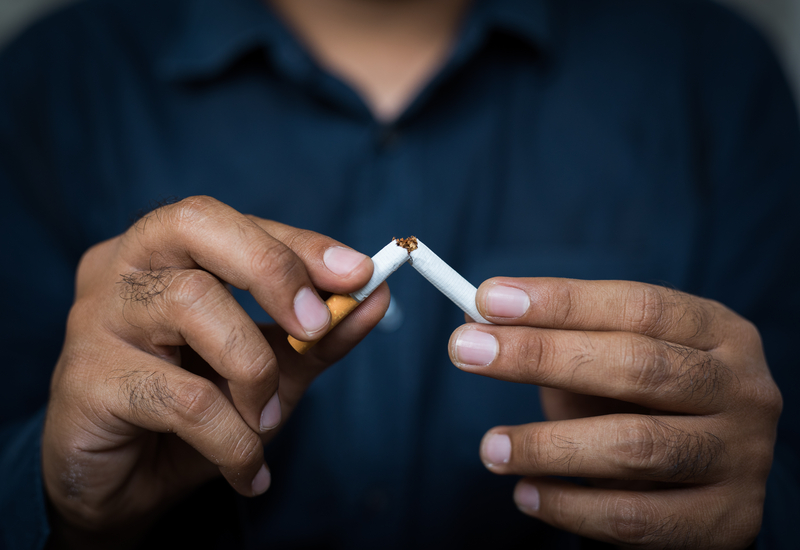
Established by the American Cancer Society, the Great American Smokeout takes place annually on the third Thursday of November. The observance encourages people who smoke to use the day as an opportunity to begin their journey toward quitting. This year marks the 50th anniversary of the national initiative, which continues to emphasize that quitting tobacco can improve health at any age, regardless of how long someone has smoked. According to the American Cancer Society, cigarette smoking and exposure to secondhand smoke contribute to more than 480,000 deaths in the United States each year. Smoking is also associated with at least 12 types of cancer and remains a leading preventable cause of disease and premature death. Beyond cancer, tobacco use increases the risk of cardiovascular disease, stroke, and chronic obstructive pulmonary disease (COPD), a group of conditions that restrict airflow and make breathing increasingly difficult.
The burden of tobacco-related disease is not experienced equally across populations. Data from the U.S. Department of Health and Human Services’ Office of Disease Prevention and Health Promotion show that in 2024, cigarette smoking rates varied significantly by race and ethnicity. Non-Hispanic Native American and Alaska Native adults had the highest reported smoking rate at 21.6%, compared with 10.8% among non-Hispanic Black adults, 7.3% among Hispanic adults, and 3.7% among non-Hispanic Asian adults. These differences reflect broader challenges that extend beyond individual tobacco use. The 2024 Surgeon General’s report on tobacco-related health disparities identifies poverty, discrimination, targeted tobacco marketing, and unequal access to evidence-based cessation treatments as factors contributing to persistent differences in tobacco-related health outcomes. Black communities, in particular, have experienced a disproportionate impact from the tobacco industry’s historical marketing of menthol cigarettes.
Research has also documented higher exposure to secondhand tobacco smoke among Black populations. For communities of color, addressing tobacco-related disease requires more than encouraging individuals to quit. It also requires improving access to preventive healthcare, culturally responsive health education, affordable treatment, and opportunities for early diagnosis. Without these resources, individuals may face additional barriers to receiving the information and care needed to reduce their risk of serious respiratory disease.
Smoking cessation remains one of the most effective ways to protect lung health. The Centers for Disease Control and Prevention (CDC) reports that quitting smoking reduces the risk of developing smoking-related diseases, including lung cancer, heart disease, and COPD. For individuals already diagnosed with COPD, quitting can slow disease progression and help preserve lung function. However, quitting can be difficult, particularly for individuals who have attempted to stop smoking before. The CDC recommends combining behavioral counseling with medications when appropriate to improve the likelihood of successfully quitting. Nicotine replacement therapies, including patches, gum, and lozenges, as well as prescription medications, can help manage withdrawal symptoms and cravings. Free and confidential assistance is also available through the national quit line at 1-800-QUIT-NOW.
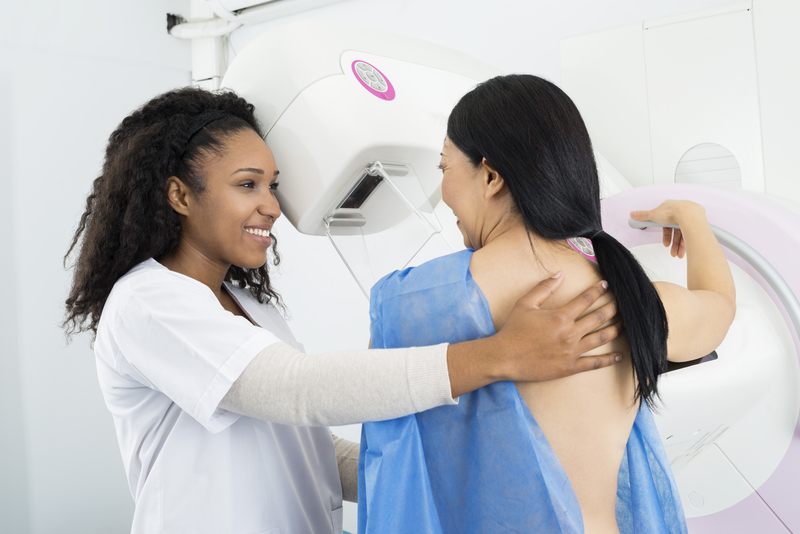
Prevention and cessation must also be accompanied by greater awareness of lung cancer screening. The U.S. Preventive Services Task Force recommends annual lung cancer screening with low-dose computed tomography for adults between the ages of 50 and 80 who have a smoking history of at least 20 pack-years and currently smoke or quit within the past 15 years. A pack-year represents smoking an average of one pack of cigarettes per day for one year. Screening can help identify lung cancer at an earlier stage, when treatment may be more effective. Individuals should speak with their healthcare providers about their personal risk and screening eligibility.
The National Minority Quality Forum (NMQF) continues to support efforts to improve health outcomes through education, community engagement, and greater awareness of conditions that disproportionately affect underserved populations. Its work addressing health disparities includes efforts to increase awareness of lung health, encourage preventive care, and connect communities with information that can support informed conversations with healthcare professionals. As part of this commitment, NMQF is hosting its upcoming Every Breath Counts: Improving COPD Care Together webinar on Friday, November 20th, 2026. The discussion will bring attention to COPD awareness, respiratory health, and the importance of improving how individuals and communities recognize and address the condition. The webinar provides an opportunity for healthcare professionals, community members, and advocates to engage with information that can help strengthen conversations about respiratory health and care.
The Great American Smokeout serves as an important reminder that reducing tobacco-related disease requires continued attention to prevention, treatment, and access to healthcare. Whether someone is considering quitting, supporting a loved one, or learning about lung cancer screening and COPD, access to reliable information can help inform the next step. Through continued education and community engagement, NMQF is working to ensure that conversations about lung health reach the populations that need them most.
Join NMQF’s Every Breath Counts: Improving COPD Care Together webinar on Friday, November 20th: https://bit.ly/EveryBreathCountsCOPD. Following the live event, the recording will be available on the NMQF YouTube channel.

Stay Informed. Stay Empowered.