







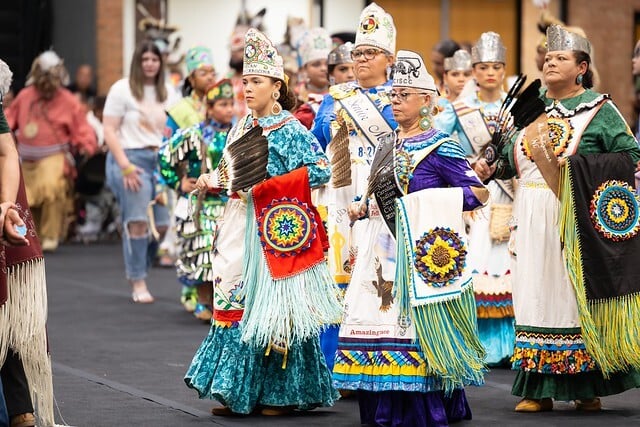
A decades-long fight for justice reached a historic milestone this week as the U.S. Senate passed the National Defense Authorization Act with provisions granting federal recognition to the Lumbee Tribe of North Carolina, a move tribal leaders and community members say is long overdue.
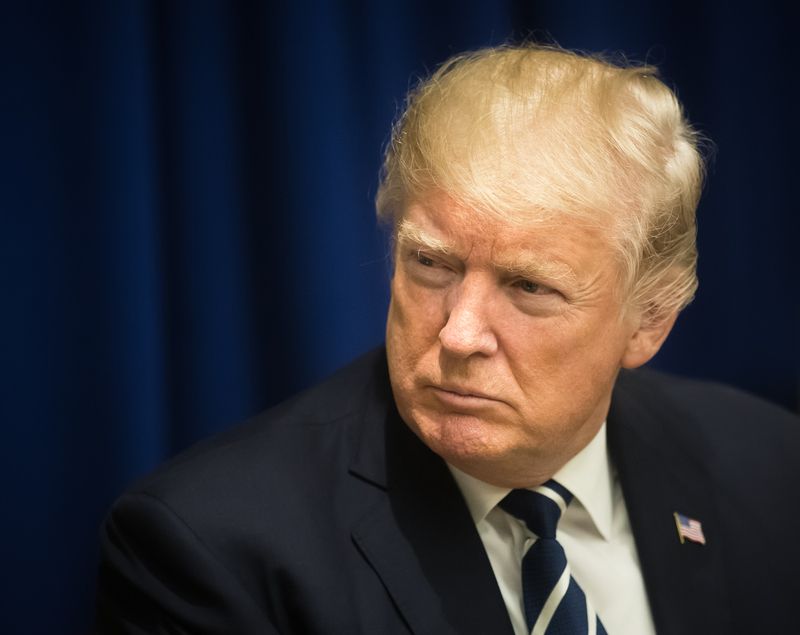
The Senate approved the bill by a 77–20 vote, sending it to President Donald Trump’s desk for signature. For the Lumbee Tribe, which has sought full federal recognition for more than a century, the vote represents not only political progress but the culmination of generations of advocacy, prayer, and perseverance. Hundreds of Lumbee citizens gathered at the Pembroke Boys & Girls Club to witness the vote together, many expressing a mix of disbelief, relief, and celebration as the final tally was announced.
“This is a sacred moment in our history,” said Lumbee Tribal Chairman John L. Lowery in a statement following the vote. “After decades of waiting, praying, and fighting, our Tribe has finally crossed a barrier that once seemed impossible to overcome.” Lowery credited the collective efforts of community members and allies who worked to ensure the Lumbee recognition language was included in the NDAA, noting that the passage honors the sacrifices and faith of those who came before.
The Lumbee Tribe was recognized by the federal government in 1956, but without the benefits and government-to-government relationship afforded to federally recognized tribes. That partial recognition left the Lumbee people excluded from many programs and resources designed to support Native nations, including funding for health care, education, housing, and economic development. Advocates have long argued that this exclusion contributed to disparities in health outcomes and access to services for Lumbee citizens, particularly in Robeson County and surrounding areas, which face persistent challenges related to poverty and limited healthcare infrastructure.
Federal recognition would formally establish a government-to-government relationship between the Lumbee Tribe and the United States, opening pathways to resources that support public health, education systems, and economic opportunity. Research from the Indian Health Service and the U.S. Department of Health and Human Services has consistently shown that federally recognized tribes are better positioned to access funding for preventive care, chronic disease management, and community-based health programs, which are critical in addressing longstanding inequities affecting Native communities.
Over the two days leading up to the Senate vote, more than one thousand Lumbee citizens and supporters waited together in Pembroke, reflecting the significance of the moment for a community that has sought recognition for more than 100 years. Lumbee Tribal Council Speaker Alex Baker described the passage as the fulfillment of a promise long denied. “Today, the Lumbee Tribe becomes the 575th federally recognized Tribe in the nation,” Baker said. “This moment is the result of more than a century of perseverance, petitions, testimonies, and answered prayers.”
For health equity advocates, the recognition has implications that extend beyond symbolism. Native American communities continue to experience disproportionate rates of chronic disease, lower life expectancy, and barriers to culturally appropriate care. According to the Centers for Disease Control and Prevention, American Indian and Alaska Native populations face higher rates of diabetes, heart disease, and certain cancers compared to white populations, disparities that are often compounded by underfunded health systems and limited access to care. Federal recognition can help address these gaps by enabling tribes to directly administer and tailor health programs to their communities’ needs.
This vote represents more than recognition—it marks a long-delayed step toward equity, sovereignty, and access to resources for the Lumbee people.
The Lumbee Tribe’s path to recognition has been shaped by decades of organizing, bipartisan advocacy, and local leadership. North Carolina lawmakers, including Senator Thom Tillis, played a central role in ensuring the Lumbee recognition language remained attached to the NDAA, a strategy advocates viewed as essential given the bill’s annual passage and national security importance.
If signed into law, the legislation would mark one of the most significant developments in the Lumbee Tribe’s modern history, providing new opportunities for self-determination and community investment. Tribal leaders have emphasized that recognition is not an endpoint but a foundation for building stronger systems to support the health, education, and economic stability of future generations.
As the bill moves to the president’s desk, Lumbee leaders and citizens continue to reflect on the weight of the moment. For many, the Senate vote represents validation after decades of being treated as second-class citizens despite maintaining a distinct cultural identity and strong community institutions. It also signals a shift toward greater inclusion and equity for a Native nation that has long existed without full acknowledgment.
With the prospect of federal recognition now closer than ever, the Lumbee Tribe stands at a turning point, honoring its past while preparing for a future shaped by increased access to resources, strengthened sovereignty, and the opportunity to address longstanding disparities that have affected its people for generations.
Stay Informed. Stay Empowered.
Trending Topics

Features
- Drive Toolkit
Download and distribute powerful vaccination QI resources for your community.
- Health Champions
Sign up now to support health equity and sustainable health outcomes in your community.
- Cancer Early Detection
MCED tests use a simple blood draw to screen for many kinds of cancer at once.
- PR
FYHN is a bridge connecting health information providers to BIPOC communities in a trusted environment.
- Medicare
Discover an honest look at our Medicare system.
- Alliance for Representative Clinical Trials
ARC was launched to create a network of community clinicians to diversify and bring clinical trials to communities of color and other communities that have been underrepresented.
- Reducing Patient Risk
The single most important purpose of our healthcare system is to reduce patient risk for an acute event.
- Subash Kafle
- Jessica Wilson
- Victor Mejia