













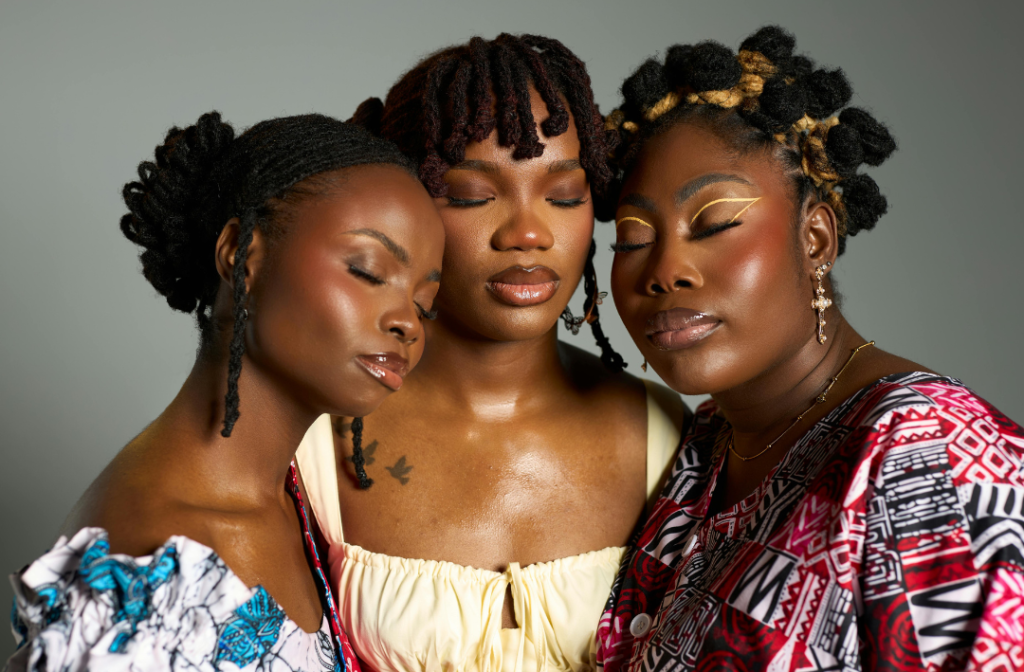
For many young Black women living with lupus, the disease often arrives during the years when careers are beginning, families are growing, and long-term health may not yet feel urgent. But health experts say lupus remains one of the most serious and overlooked chronic illnesses disproportionately affecting Black women in the United States, particularly those between the ages of 15 and 44.
Systemic lupus erythematosus, commonly called lupus, is a chronic autoimmune disease in which the immune system attacks healthy tissues and organs. The condition can affect the skin, joints, kidneys, heart, lungs, and brain, causing symptoms that range from fatigue and joint pain to life-threatening organ damage. According to the Centers for Disease Control and Prevention, about 9 out of 10 people with lupus are women, and Black women are two to three times more likely than White women to develop the disease.
The burden of lupus on Black communities has become a growing focus during Lupus Awareness Month, as researchers and advocacy groups continue to highlight major disparities in diagnosis, treatment, and survival outcomes. The Lupus Foundation of America reports that lupus is among the leading causes of death for Black and Hispanic women ages 15 to 44. Black women with lupus also die significantly younger on average than White women with the disease.
Researchers say the disparities are driven by a combination of genetics, environmental exposures, delayed diagnosis, unequal access to healthcare, and the long-term effects of structural racism within the healthcare system. Studies have shown that Black patients are more likely to develop severe complications such as lupus nephritis, a dangerous form of kidney inflammation that can lead to kidney failure. One CDC-supported study found that Black patients with lupus experienced earlier diagnosis, more kidney disease, and higher rates of end-stage renal disease than White patients.
Request More Information About Lupus Clinical Trials
Complete the form below to learn more about lupus clinical trial opportunities and resources
available in the Washington, D.C., Maryland, and Virginia area.
Form submissions are processed securely through HubSpot.
For younger Black women, lupus can also be difficult to recognize in its early stages because symptoms often mimic other conditions. Fatigue, headaches, hair loss, fever, skin rashes, and muscle pain may appear gradually or flare unpredictably. The National Institute of Arthritis and Musculoskeletal and Skin Diseases notes that lupus symptoms can vary widely from person to person, contributing to delays in diagnosis that sometimes stretch across years.
Medical advocates have increasingly raised concerns about how symptoms appear differently on darker skin tones and how those differences are sometimes overlooked in clinical settings and medical education. Discussions around representation in healthcare imagery have gained traction online, especially among younger Black patients who say they struggled to find accurate examples of lupus rashes or symptoms that resembled their own experiences. Some patients have shared stories of being misdiagnosed or dismissed before eventually receiving answers.
That frustration reflects broader concerns about trust and access in healthcare. The Lupus Foundation of America says many disparities tied to lupus are connected to social determinants of health, including income inequality, insurance coverage gaps, housing instability, and limited access to specialists such as rheumatologists.
Health organizations are now emphasizing earlier screening, culturally competent care, and increased participation in clinical trials as part of efforts to close the gap. Advocacy groups have also pushed for more research funding focused on lupus, which historically has received less public attention than other chronic diseases despite its severe impact on women of color.
Public health experts say awareness campaigns remain important because lupus is still widely misunderstood. The CDC estimates that more than 200,000 people in the United States are living with systemic lupus erythematosus, but many Americans know little about the disease until it affects someone they know personally.
During Lupus Awareness Month, organizations across the country are encouraging young Black women to pay attention to persistent symptoms, seek medical care early, and advocate for themselves when concerns are dismissed. Researchers say greater awareness could help reduce delays in diagnosis and improve long-term outcomes for communities that have carried the heaviest burden of the disease for decades.
As conversations around health equity continue to expand nationwide, lupus advocates say the experiences of younger Black women illustrate how chronic illness, race, gender, and access to care often intersect. They hope increased visibility will lead not only to better treatment and earlier diagnoses, but also to broader recognition of the disparities that continue to shape who gets sick, who gets treated, and who survives.
Stay Informed. Stay Empowered.
Trending Topics
Features
- Drive Toolkit
Download and distribute powerful vaccination QI resources for your community.
- Health Champions
Sign up now to support health equity and sustainable health outcomes in your community.
- Cancer Early Detection
MCED tests use a simple blood draw to screen for many kinds of cancer at once.
- PR
FYHN is a bridge connecting health information providers to BIPOC communities in a trusted environment.
- Medicare
Discover an honest look at our Medicare system.
- Alliance for Representative Clinical Trials
ARC was launched to create a network of community clinicians to diversify and bring clinical trials to communities of color and other communities that have been underrepresented.
- Reducing Patient Risk
The single most important purpose of our healthcare system is to reduce patient risk for an acute event.
- Jessica Wilson
- Subash Kafle


