









[ad_1]

ROCHESTER, Minn. — The American Association for Cancer Research today released its Cancer Disparities Progress Report 2022. The publication aims to raise awareness of the enormous toll that cancer exacts on racial and ethnic minorities and other diverse and medically underserved populations in the United States while highlighting areas of recent progress in reducing cancer health disparities. The report also provides specific recommendations for achieving health equity, a fundamental human right for all people regardless of their race, ethnicity, sexual orientation, gender identity, socioeconomic status, or community in which they live.
“Research is driving tremendous breakthroughs against cancer, but the grim reality is that these advances have not benefited everyone equally,” says Cheryl Willman, M.D., co-chair, steering committee, American Association for Cancer Research Cancer Disparities Progress Report and Executive Director of Mayo Clinic Cancer Programs and Director of Mayo Clinic Comprehensive Cancer Center. “We are committed to achieving the bold vision of health equity for all. Racial and ethnic minorities and other diverse populations are severely underrepresented in clinical trials and cancer research, limiting our scientific knowledge and our ability to understand cancer causation and achieve improved clinical outcomes in these groups.”
Mayo Clinic Cancer Center patients highlighted among others in the report
Faye Belvin, a 58-year-old woman from Jacksonville, FL, was diagnosed and successfully treated for ovarian cancer in 2021 after having been treated for breast cancer in 2020.
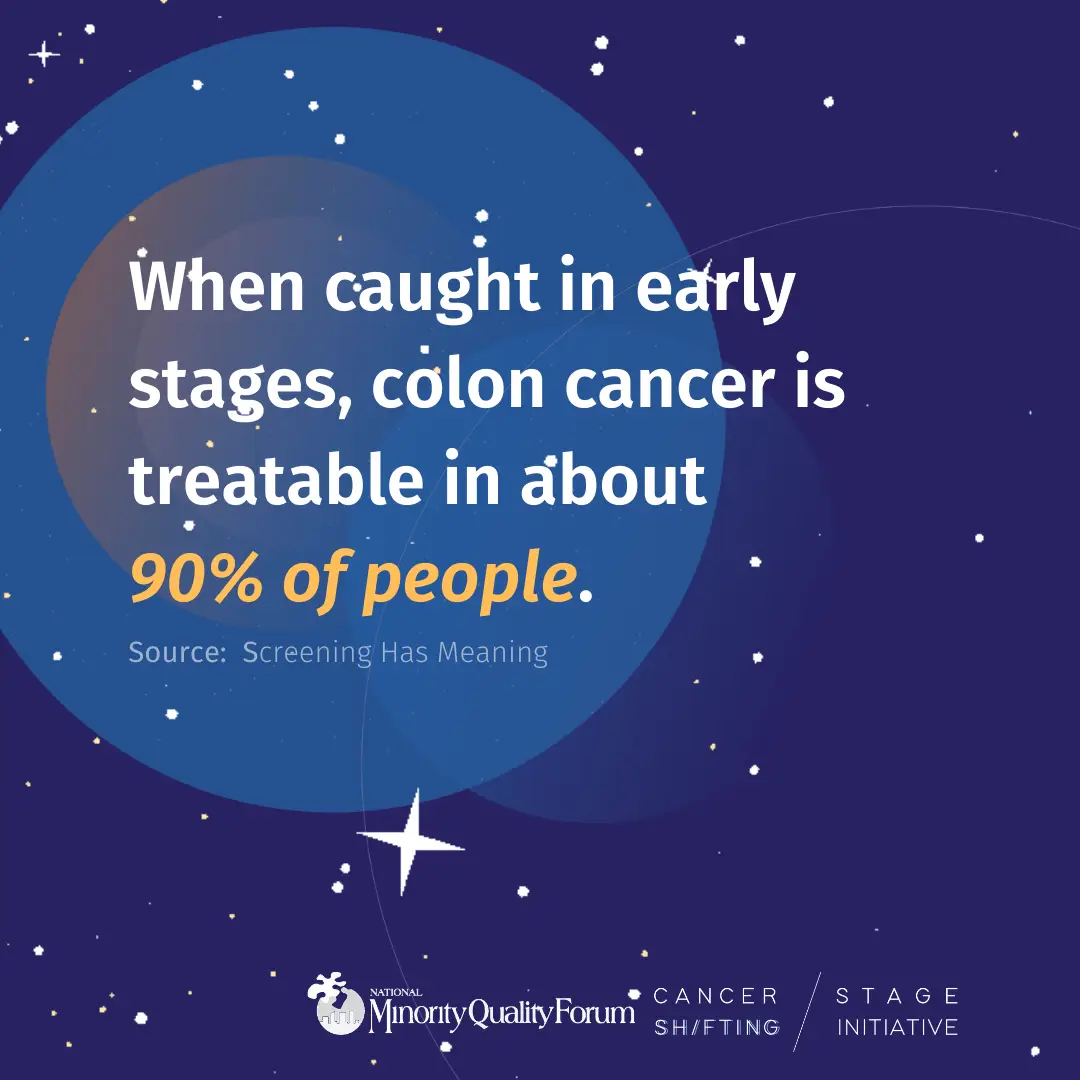
Alejandro Mirazo was successfully treated for early-stage colon cancer at Mayo Clinic Cancer Center in Arizona after participating in a clinical trial seeking to understand how an individual’s genetic information could impact health care delivery.
“We cannot achieve the ultimate goal of eradicating cancer as a life-threatening disease for all unless we comprehensively address the genetic, environmental, and lifestyle features that characterize the entirety of our diverse patient populations,” says Dr. Willman.
Key findings on disparities in cancer treatment
- Both incidence and mortality rates for multiple myeloma in the Black population are at least twice as high as rates in the non-Hispanic white population.
- The Hispanic population has a liver cancer mortality rate nearly double that of the non-Hispanic white population.
- The incidence rate for kidney cancer in the American Indian/Alaska Native population is 80% higher compared to the non-Hispanic white population. This group also has the highest liver cancer incidence rate of any major racial or ethnic group in the U.S.
- Transgender men are twice as likely as cisgender men to be diagnosed with cancer.
- Residents of low-income areas share a disproportionate burden of cancer deaths. In persistently poor counties, mortality rates were 12.3% higher for all cancer types and more than 40% higher for stomach cancer when compared to counties that are not persistently poor.
- Compared to those living in urban areas, people living in rural areas have 17% higher death rates from all cancers combined, with 34% higher death rates from lung cancer and 23% higher death rates from colorectal cancer.
Key steps needed to close the gap in cancer disparities
- Diversify patient accrual on clinical trials so that participants represent all potential patient groups who might benefit from the therapeutic being tested.
- Create large and inclusive genomic databases to increase our knowledge of the cancer-related changes that influence cancer incidence, progression, and response to treatment in patients from different ancestral groups.
- Disaggregate cancer data to account for the heterogeneity of people within racial, ethnic, sexual, and gender minority groups.
Progress Against Cancer Disparities
- The disparity in overall cancer mortality rates between Black and white people has narrowed from 26% in 2000 to 13% in 2019.
- Improving access to health care improves outcomes. The expansion of Medicaid under the Affordable Care Act has nearly eliminated the disparity between Black and white patients initiating chemotherapy within a month of cancer diagnosis and the disparity between Hispanic and white women receiving timely mammograms.
- Cancer screening programs that adopt culturally tailored approaches and reduce structural barriers have successfully improved screening rates among marginalized groups, improving the likelihood of detecting cancer early, when it is more likely that the patient can be treated successfully.
- AACR Project GENIE, an international cancer registry, contains real-world data from more than 121,000 patients, 13.4% of whom are racial and ethnic minority groups. The All of Us Research Program of the National Institutes of Health (NIH), which aims to build one of the most diverse health databases in history, has enrolled 100,000 people, 50% of whom are underrepresented groups.
- NIH and the National Cancer Institute (NCI) have recently created several initiatives to support underrepresented minority scientists in the research workforce, a necessary step toward achieving health equity.
Call to action
The report underscores that there is still much progress to be made and urges policymakers and other stakeholders committed to eliminating cancer health disparities to:
- Increase federal funding for medical research and public health initiatives tasked with reducing cancer health disparities
- Improve disaggregated data collection for racial, ethnic, sexual, and gender minority groups.
- Increase diversity in clinical trial participation.
- Enhance cancer prevention and screening efforts to reduce the burden of cancer among all medically underserved populations.
- Expand access to equitable and affordable quality health care.
- Build a more diverse STEMM (science, technology, engineering, mathematics, and medicine) trainee pipeline and cancer research and health care workforce.
- Enact comprehensive legislation to eliminate racial and ethnic health inequities
###
About Mayo Clinic Cancer Center
Designated as a comprehensive cancer center by the National Cancer Institute, Mayo Clinic Cancer Center is defining new boundaries in possibility, focusing on patient-centered care, developing novel treatments, training future generations of cancer experts, and bringing cancer research to communities. At Mayo Clinic Cancer Center, a culture of innovation and collaboration is driving research breakthroughs that are changing approaches to cancer prevention, screening and treatment, and improving the lives of cancer survivors.
About Mayo Clinic
Mayo Clinic is a nonprofit organization committed to innovation in clinical practice, education and research, and providing compassion, expertise and answers to everyone who needs healing. Visit the Mayo Clinic News Network for additional Mayo Clinic news.
Media contact:
[ad_2]
Source link