







- By Jessica Wilson

As the calendar turns toward year’s end, mental health professionals and public health officials are drawing renewed attention to the psychological strain that often accompanies the holidays and winter months. For many people, this period brings more than seasonal celebrations and colder weather; it can trigger anxiety, sadness, isolation and a specific form of depression known as seasonal affective disorder, or SAD, that typically emerges in late fall and winter and can disrupt everyday life.
Seasonal affective disorder is not simply feeling a little blue when days are shorter and darker. According to the National Institute of Mental Health, SAD is a clinically recognized condition in which changes in seasons affect mood, behavior and physical functioning, often beginning in fall or early winter and easing in spring and summer. National Institute of Mental Health People with SAD may experience persistent sadness, low energy, oversleeping, social withdrawal and changes in appetite or weight, with symptoms that can last for months unless treated. Mayo Clinic Public health officials emphasize that while many people call it the “winter blues,” the disorder’s effects can be severe and require professional care.
The holiday period adds layers of stress that go beyond changes in daylight hours. The Substance Abuse and Mental Health Services Administration notes that winter holidays can heighten difficult emotions and behaviors, including increases in stress, loneliness, and substance use, particularly when people feel overwhelmed by social obligations, financial pressures or memories of lost loved ones. SAMHSA Research from the American Psychiatric Association also finds that Americans report significantly more stress during the holidays than during other times of the year, with many citing juggling responsibilities, travel and family dynamics as contributing factors.
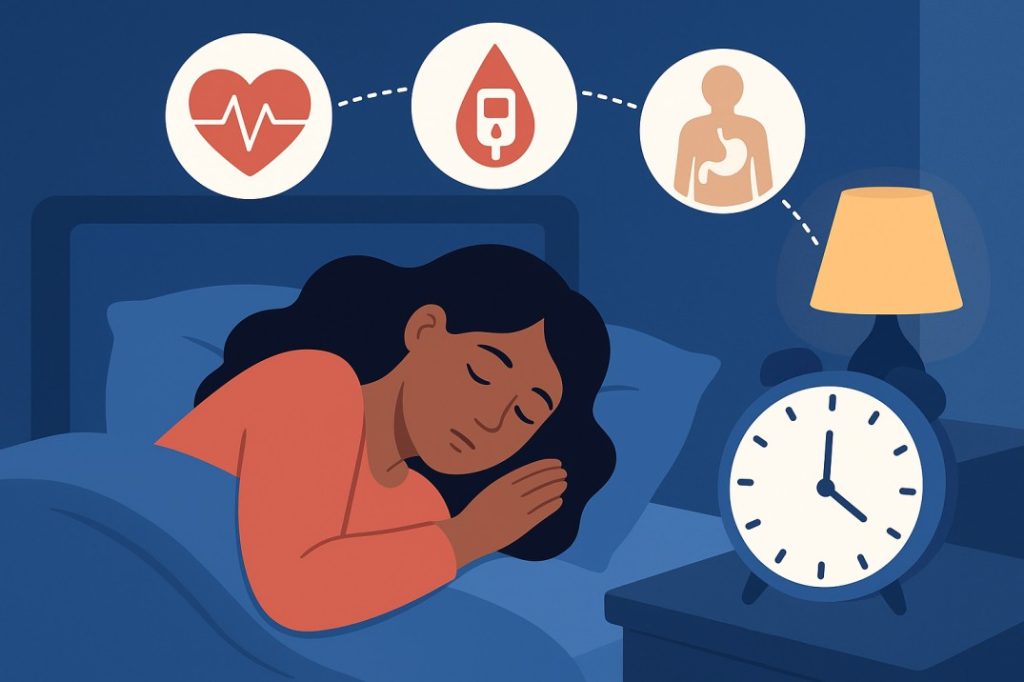
Experts say a variety of factors contribute to mental health challenges this time of year. Reduced sunlight — a hallmark of winter — disrupts the body’s circadian rhythms and alters the balance of neurotransmitters like serotonin and melatonin that influence mood and sleep. Mayo Clinic McPress The result can be both emotional and physical: fatigue, difficulty concentrating, irritability and appetite changes, as well as a sense of sadness that does not lift easily. Seasonal changes also encourage people to stay indoors more, decreasing opportunities for regular physical activity and social interaction that support emotional well-being.
For communities already facing social and economic challenges, these seasonal mental health burdens can compound existing inequities. Black, Hispanic, Native American and other communities of color often experience barriers to mental health care and supportive services, including lower access to providers, stigma around seeking help and fewer economic resources for treatment. Public health advocates urge culturally informed outreach and expanded access to mental health services to ensure that those most at risk are not left behind during this vulnerable time.
Treatment options for SAD and holiday-related mental health struggles vary. Light therapy — exposure to a specialized lamp that mimics natural sunshine — is widely used and can help reset disrupted internal clocks, especially when started as symptoms begin. Mayo Clinic McPress Talk therapy and, in some cases, medication are also effective for many people, particularly when symptoms are intense or long-lasting. Mental health experts stress that there is no shame in seeking help, and that accessible treatment can improve quality of life during the darkest months of the year.
Beyond clinical approaches, public health guidance encourages individuals to maintain healthy habits that support emotional resilience. Physical activity, consistent sleep schedules, nutritious eating, and meaningful social connection have been shown to protect against depressive symptoms and support overall mental wellness, including during high-stress winter periods. Outreach programs and community groups often increase support offerings during the holidays to help reduce isolation and provide safe spaces for engagement.
As winter deepens and the pace of holiday activity accelerates, public health officials say it is critical for individuals and families to pay attention to changes in mood and behavior, seek help when needed, and foster supportive connections that mitigate stress and isolation. Recognizing the difference between temporary “holiday blues” and more serious mood disorders, and ensuring equitable access to mental health care across communities, can help many navigate this challenging season with greater strength and hope.
Trending Topics

Features
- Drive Toolkit
Download and distribute powerful vaccination QI resources for your community.
- Health Champions
Sign up now to support health equity and sustainable health outcomes in your community.
- Cancer Early Detection
MCED tests use a simple blood draw to screen for many kinds of cancer at once.
- PR
FYHN is a bridge connecting health information providers to BIPOC communities in a trusted environment.
- Medicare
Discover an honest look at our Medicare system.
- Alliance for Representative Clinical Trials
ARC was launched to create a network of community clinicians to diversify and bring clinical trials to communities of color and other communities that have been underrepresented.
- Reducing Patient Risk
The single most important purpose of our healthcare system is to reduce patient risk for an acute event.
- Jessica Wilson
- Subash Kafle