








As winter approaches, health professionals and community organizations are renewing calls for stronger protection against influenza, particularly during National Influenza Vaccination Week (NIVW), the annual observance in December meant to reinforce that there is still time to get a flu shot. For many Americans, especially those in communities of color where systemic barriers and longstanding mistrust complicate access to care, vaccination remains a critical tool in preventing severe illness, hospitalization, and death. Public-health experts warn that this year’s flu season is unfolding against the backdrop of widening inequities and historically low vaccination rates.
Last year, hospitalization rates were the highest since at least the 2010–11 season and 280 children died, the highest number of such deaths on record for a non-pandemic flu season. – Laura Lee Hall-
Laura Lee Hall President Emeritus of the Center for Sustainable Health Care Quality and Equity underscored the urgency in a recent statement. “As of this date, we are in the midst of the annual flu season, following the worst season for all age groups since 2017–18. Last year, hospitalization rates were the highest since at least the 2010–11 season and 280 children died, the highest number of such deaths on record for a non-pandemic flu season. People of color and those with chronic illnesses and older adults are especially at risk of hospitalization. Unfortunately, federal vaccine policy making has been unsettled and marred by misinformation in 2025. One result is the lowest flu vaccination rates at this point in the flu season since 2018, with only 22.2% of Black adults receiving a flu vaccine, the lowest in ten years, and resulting in widening racial disparities. It is mission critical that every one in communities of color, especially those at highest risk of hospitalization, go and get their flu shots and protect themselves, their families, and their communities.”

According to the Centers for Disease Control and Prevention, annual flu vaccination offers the best available protection against circulating influenza strains. Immunity diminishes over time, and flu viruses continue to evolve, making yearly vaccination essential for preventing severe outcomes. Flu shots have consistently been shown to reduce the risk of illness, emergency-room visits, hospitalization, and death. They are especially important for older adults, young children, pregnant people, and individuals with chronic conditions that heighten vulnerability.
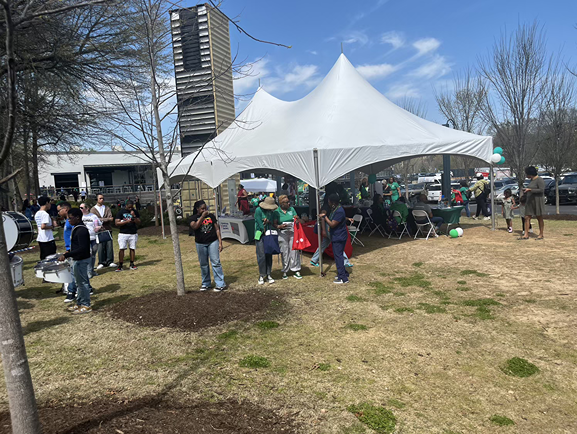
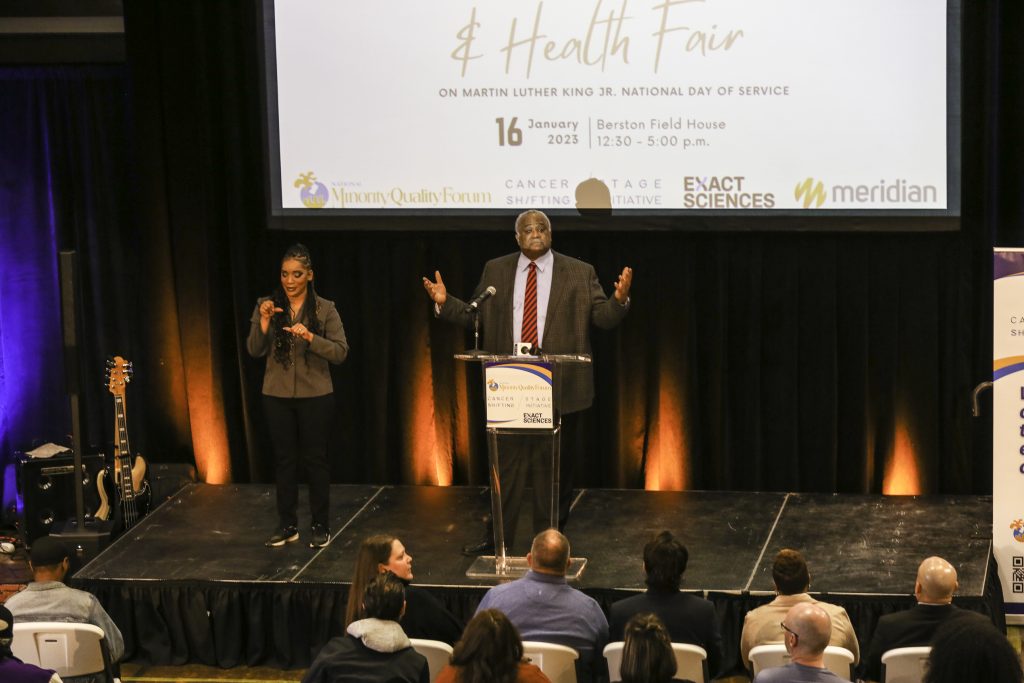
This year, national health-equity organizations are working to ensure that communities that have historically been underserved are not left behind. NMQF, through its Center for Sustainable Health Care Quality and Equity, continues to partner with clinics, barbershops, salons, faith leaders, and community advocates to improve vaccine access and trust. During the 2023–2024 respiratory virus season, the organization supported mobile and pop-up vaccination sites across 25 states, contributing to more than 175,000 vaccinations, including flu and other routine adult immunizations. The model emphasized the role of trusted messengers, culturally informed communication, and community-rooted outreach to address hesitancy and structural barriers.

To support these efforts, toolkits from NMQF and national health agencies provide educational resources, outreach guidance, and communication materials tailored for diverse communities. These include flu-season talking points, myth-busting materials, and strategies for engaging local partners and community leaders. Public-health officials note that such resources are especially vital this year, given the influence of ongoing misinformation and confusion around vaccine policy.
National Influenza Vaccination Week also brings renewed attention to the CDC’s digital toolkit, which provides graphics, social-media messages, key facts, and public-facing materials intended to help organizations reinforce the importance of flu vaccination. Community groups, health systems, and local leaders are encouraged to use these resources to reach people where they are and provide clear, consistent information.
As hospitalizations begin to rise and vaccination rates lag, health leaders warn that the coming months may bring preventable strain on families, health-care systems, and communities. They emphasize that improving vaccination coverage is not only a matter of individual choice but also a public responsibility, especially in neighborhoods where high-risk medical conditions are more prevalent and access to care remains uneven.
With flu circulating widely and significant inequities in vaccine uptake emerging early in the season, public-health experts and community organizations alike say this moment requires urgent action. Getting a flu shot — and helping others do the same — remains one of the most direct ways to prevent severe illness and reduce disparities that have persisted for far too long.
Visit this link to learn more.