








- By Subash Kafle

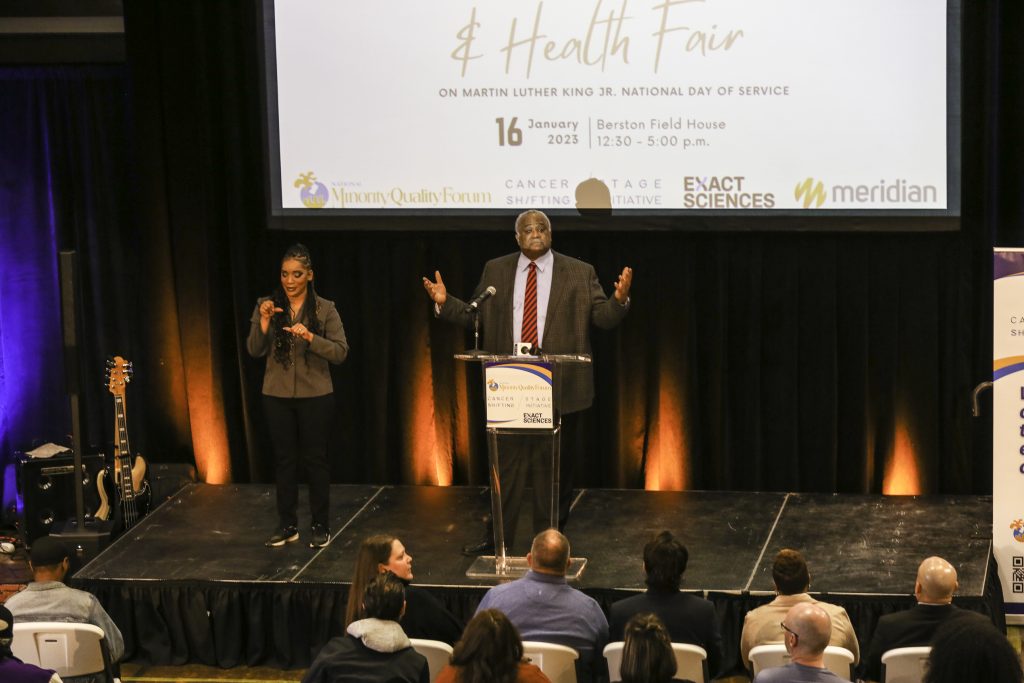
The NMQF 40 Under 40 Leaders in Minority Health program spotlights rising professionals from minoritized communities who are working to strengthen minority health outcomes and expand health access—often while navigating the same barriers their patients and communities face. In 2026, the honorees will be formally recognized in Washington, D.C., April 27–28, 2026, during the NMQF 2026 Annual Health Leadership Summit at the Conrad Hotel.
The summit’s 2026 theme is ACCESS—“Advancing Community-Centered Care through Environment Sensitive Standards.” NMQF’s summit materials describe the gathering as the organization’s annual Leadership Summit on Health Disparities and Spring Health Braintrust, convening leaders across health care, research, policy, advocacy, and community organizations to focus on equity-centered solutions.
Although the awards are now widely associated with NMQF’s annual spring convening, the program’s roots go back a decade. In late 2015, NMQF publicly announced it was establishing a “40 Under 40 Leaders in Health” awards initiative to recognize influential young minority leaders making a difference in health care. In the inaugural year, institutions described the program as honoring early-career leaders across disciplines—from physicians and nurses to researchers and policy experts—with recipients recognized during NMQF’s Leadership Summit in Washington.
Over time, NMQF’s framing has remained consistent: elevating 40 leaders under age 40 whose work aims to reduce disparities, strengthen community health, and expand access—now under the “Leaders in Minority Health” banner.
Why the program was introduced
NMQF has positioned “40 Under 40” as a response to a persistent national challenge: the people most affected by gaps in care are often underrepresented among the decision-makers shaping care delivery, research priorities, and policy. NMQF, founded in 1998, describes its mission as reducing patient risk and advancing health equity by assuring optimal care for all—particularly for vulnerable and underserved communities.
That mission helps explain why the program focuses on leaders early in their careers: the goal is not only to recognize impact, but to connect honorees to a national network where ideas can move faster—from clinics and campuses to community organizations and government.
Why Washington—and what “Health Braintrust” means in 2026
The Washington setting is part of the program’s design. The annual summit places health equity conversations in a city where federal policy and funding decisions are made. NMQF notes its annual summit tradition began in 2003, created to bring together health professionals, researchers, policymakers, and community and faith-based organizations around delivering quality care to diverse populations.
For 2026, NMQF’s summit materials refer to a Spring Health Braintrust component alongside the Leadership Summit on Health Disparities. Separately, NMQF’s 2026 “40 Under 40” page says honorees will be celebrated at the 2026 Annual Leadership Awards Dinner Gala in Washington, D.C., with special guest Rep. Robin Kelly, identified by NMQF as the CBC Health Braintrust Chair. On Rep. Kelly’s official House website, the Congressional Black Caucus (CBC) Health Braintrust is described as the CBC’s principal health care advisory task force focused on reducing disparities and advancing the caucus’s health priorities.
Leadership development in a strained care landscape
The emphasis on “next-generation” leadership comes as the U.S. care infrastructure faces both capacity pressures and unequal access. A federal workforce report from the Health Resources and Services Administration (HRSA) notes that about 75 million people live in a primary care Health Professional Shortage Area, and 122 million live in a mental health shortage area—gaps that can translate into long travel distances, long wait times, and delayed diagnosis and treatment.
The same HRSA report highlights pipeline pressure: fewer than 17% of active physicians in 2022 were under age 40, underscoring how quickly systems will need new clinicians and leaders—especially in underserved regions.
NMQF’s 2026 summit theme—ACCESS—speaks directly to that reality: access isn’t only about insurance coverage, but also about the practical ability to get timely, high-quality care where people live, work, and raise families.
The urgency is visible in some of the nation’s most sobering indicators
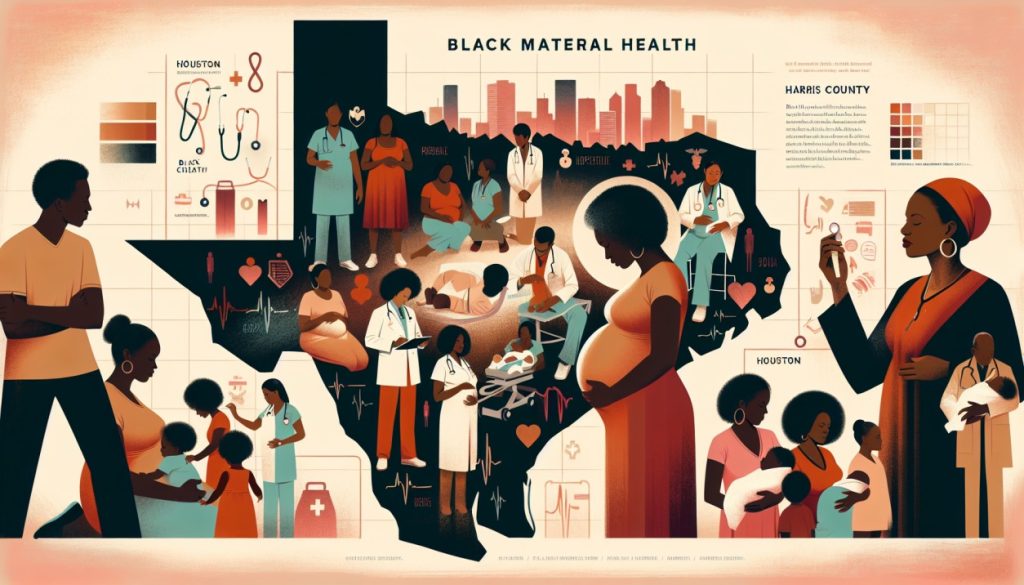
The need for sustained momentum is evident in maternal health outcomes. CDC/NCHS data show that Black women experienced a maternal mortality rate of 50.3 deaths per 100,000 live births in 2023, far higher than the rates reported for White, Hispanic, and Asian women. Public health experts have long linked unequal outcomes to uneven access to timely prenatal care, gaps in care quality, and differences in how concerns are heard and addressed—factors that intersect with broader health access barriers.
Within that landscape, NMQF’s “40 Under 40” program functions as both recognition and signal: the organization is betting that measurable gains in minority health will come from leaders who can bridge data, clinical realities, and community trust—across medicine, advocacy, research, and policy.
Looking ahead to April 27–28, 2026
As the 2026 class prepares to be honored in Washington, the program’s purpose remains consistent with its earliest framing: identify talented, mission-driven leaders early and place them in a national forum where ideas can be translated into policy and practice.
Registration Link: 2026 NMQF Leadership Summit (April 27-28)
Learn More about Event: 2026 NMQF Leadership Summit Registration
Stay Informed. Stay Empowered.
Trending Topics

Features
- Drive Toolkit
Download and distribute powerful vaccination QI resources for your community.
- Health Champions
Sign up now to support health equity and sustainable health outcomes in your community.
- Cancer Early Detection
MCED tests use a simple blood draw to screen for many kinds of cancer at once.
- PR
FYHN is a bridge connecting health information providers to BIPOC communities in a trusted environment.
- Medicare
Discover an honest look at our Medicare system.
- Alliance for Representative Clinical Trials
ARC was launched to create a network of community clinicians to diversify and bring clinical trials to communities of color and other communities that have been underrepresented.
- Reducing Patient Risk
The single most important purpose of our healthcare system is to reduce patient risk for an acute event.
- Jessica Wilson
- Subash Kafle