













[ad_1]
A pilot trial from cardiologists at the Perelman School of Medicine at the University of Pennsylvania showed a selected group of their black patients with uncontrolled hypertension or cardiovascular risks were more likely to submit at-home blood pressure monitoring levels to their clinicians via text versus a provided online patient portal.
The study, led by Jennifer Lewey, MD, MPH, Director of the Penn Women’s Cardiovascular Center and colleagues, warranted follow-up with a greater pool of patients while also showing the unique patient-by-patient preferences for telehealth.
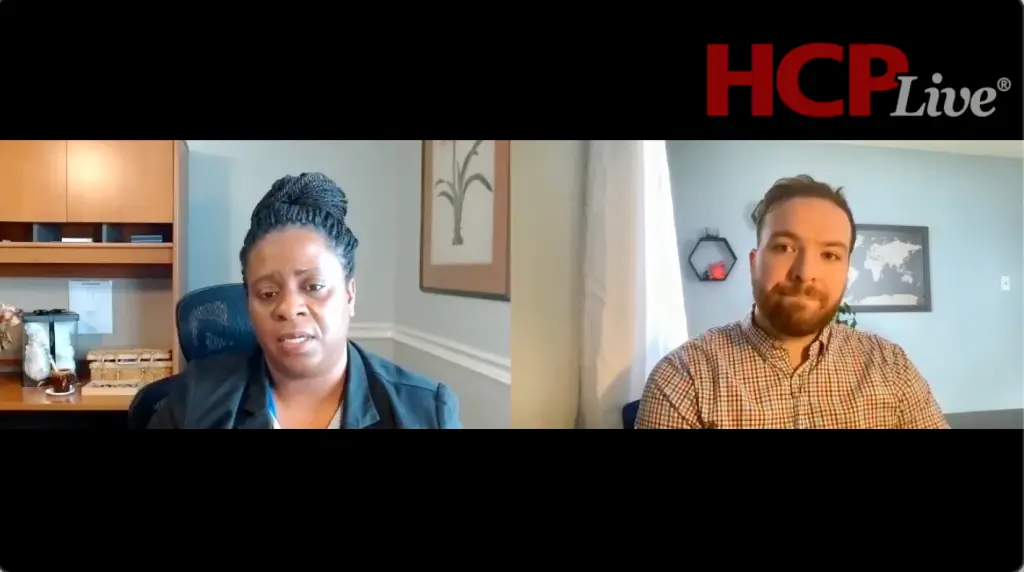
In an interview with HCPLive, Lewey discussed the significance of first assessing text-versus-portal blood pressure monitoring engagement in a population of Black patients with uncontrolled disease and Medicare or Medicaid.
“The motivation behind doing this was to really understand the best ways to improve blood pressure monitoring at home, especially knowing the higher rates of hypertension, uncontrolled hypertension, and cardiovascular morbidity and mortality experienced by Black individuals,” Lewey explained. “We put the burden on the patient—we try to empower them with self-monitoring, but then the ball is dropped. So we never get those numbers until 6 months, 12 months later when someone comes in, and it’s a missed opportunity.”
Lewey also shared the benefit of the small trial’s setup, which allowed for direct patient feedback on the 2 different methods provided for follow-up telehealth.
“For those who were using the online patient portal, I was really surprised by the number of individuals who mentioned they had to have their child or someone else in the household submit their blood pressures because even though we gave people instructions and most of them were already signed up for the portal, it just wasn’t intuitive or easy to use,” Lewey said.
Lastly, Lewey discussed the surprisingly effective value of simplified text message telehealth to improve patient buy-in.
“I think getting that immediate feedback…it was really motivating for people,” she said. “I think that really brings up the question of how can we make that process feel more personalized, and how can you have some of those behavioral nudges to engage in their care.”
[ad_2]
Source link
Trending Topics

Features
- Drive Toolkit
Download and distribute powerful vaccination QI resources for your community.
- Health Champions
Sign up now to support health equity and sustainable health outcomes in your community.
- Cancer Early Detection
MCED tests use a simple blood draw to screen for many kinds of cancer at once.
- PR
FYHN is a bridge connecting health information providers to BIPOC communities in a trusted environment.
- Medicare
Discover an honest look at our Medicare system.
- Alliance for Representative Clinical Trials
ARC was launched to create a network of community clinicians to diversify and bring clinical trials to communities of color and other communities that have been underrepresented.
- Reducing Patient Risk
The single most important purpose of our healthcare system is to reduce patient risk for an acute event.
- Jessica Wilson
- Subash Kafle