










In early January 2026, the United States Government instituted one of the most significant overhauls of its federal childhood vaccination recommendations in decades, removing broad recommendations for six vaccines previously advised for all children and shifting to a model that emphasizes individualized decision-making between clinicians and families. The change, driven by Health and Human Services Secretary Robert F. Kennedy Jr., has rapidly reshaped national vaccine guidance and ignited intense debate among health officials, pediatricians, and advocates for health equity.
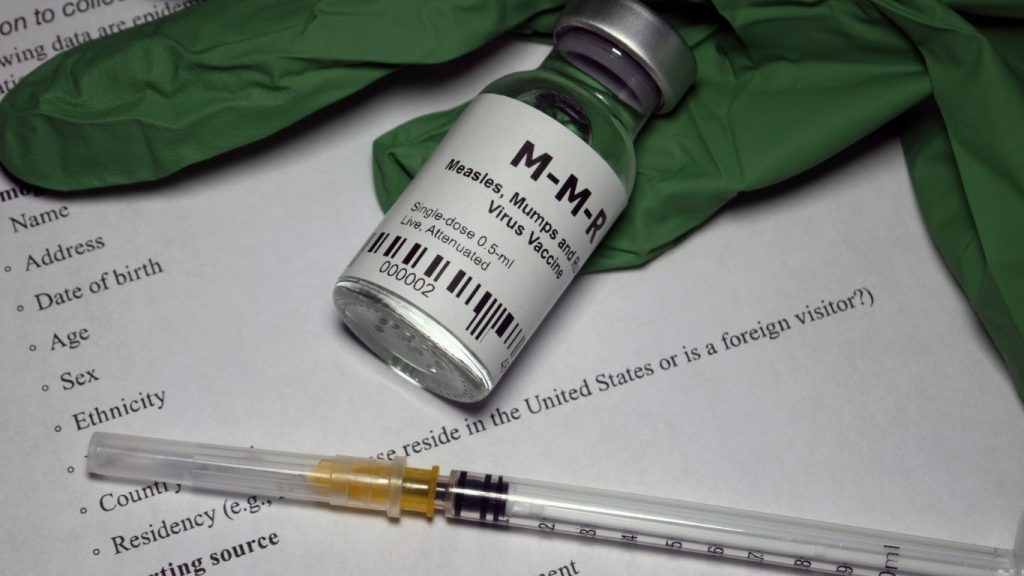
Under the revised guidance issued on January 5, the Centers for Disease Control and Prevention will no longer universally recommend routine immunization against influenza, rotavirus, hepatitis A, hepatitis B, meningococcal disease, and respiratory syncytial virus (RSV) for every child. Instead, these vaccines are now advised either for children at higher clinical risk or only after shared decision-making with a healthcare provider. Vaccines that remain broadly recommended include those for measles, mumps, rubella, polio, pertussis, tetanus, and human papillomavirus. Federal and private insurance coverage for all vaccines, including those no longer universally recommended, is expected to continue.
Medical experts, pediatric associations, and public health organizations have reacted sharply against the revisions, warning that they undermine long-standing evidence-based immunization practices that have dramatically reduced childhood disease in the United States. The American Academy of Pediatrics described the changes as dangerous and unnecessary, emphasizing that the previous schedule’s broad recommendations were backed by decades of scientific data showing the effectiveness of vaccines in preventing hospitalizations, severe illness, and death. Critics say the decision was made without rigorous scientific review or meaningful input from independent vaccine advisory panels.

For communities of color and medically underserved populations, the implications of this policy shift raise specific concerns about health equity and access to preventive care. Black, Hispanic, and Native American children have historically borne disproportionate burdens of vaccine-preventable diseases due to structural barriers, including limited access to quality healthcare, higher rates of chronic conditions, and inequities in health insurance coverage. Public health research consistently shows that broad, universal vaccine recommendations can help reduce these disparities by normalizing vaccination and supporting widespread uptake through routine pediatric care visits.
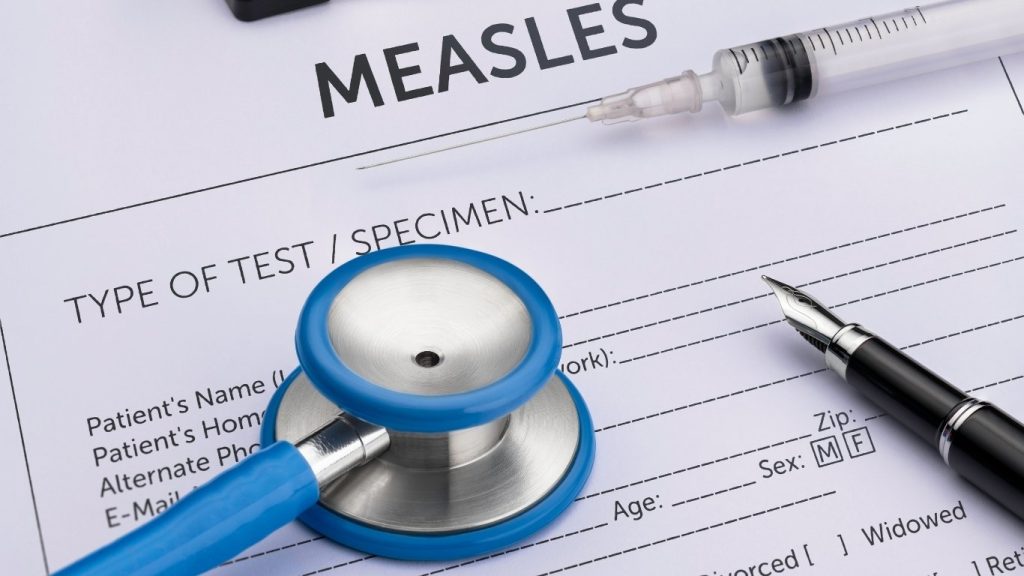
Experts point out that when the federal government signals that certain vaccines are no longer standard preventive care, even if they remain available, it can create confusion for families and providers and depress vaccination rates. Lower vaccination uptake has been linked in past outbreaks to higher incidence of diseases such as measles and pertussis in communities with limited healthcare access. A fully recommended vaccine schedule offers a clearer, easier path for children in underserved communities to receive life-saving immunizations during routine care, especially for families with constrained time, transportation challenges, or financial uncertainty.
Some public health officials worry that the shift to shared clinical decision-making could widen these existing disparities. Family doctors serving wealthier or more health-literate populations may feel more comfortable navigating nuanced discussions about risks and benefits, while providers in resource-strained clinics may struggle with the additional time required for those conversations. Families with lower health literacy or without a regular healthcare provider may find it harder to access these vaccines if they perceive them as optional rather than essential. Research has shown that proactive recommendations from trusted clinicians significantly influence vaccine acceptance, particularly among hesitant or historically marginalized groups.
The timing of the changes also intersects with ongoing challenges in public health. Recent seasons have seen elevated influenza activity and thousands of hospitalizations among children, underscoring the continued impact of vaccine-preventable diseases. Health departments in some states, such as Texas and New Mexico, have taken divergent approaches, with New Mexico rejecting the new federal guidance outright and affirming its commitment to the comprehensive schedule endorsed by pediatric specialists. Texas officials are reviewing the recommendations while monitoring outbreaks of diseases such as measles.

For many advocates of preventive medicine, the concern is not merely theoretical. Vaccination programs have historically played a critical role in reducing disparities in health outcomes. For example, broad hepatitis B vaccination recommendations implemented in the early 1990s reduced infections by roughly 99 percent over subsequent decades, a public health success story credited with preventing liver disease and cancer. Critics of the revised schedule argue that removing such universal guidance without clear, new safety evidence risks reversing this progress.
In response to the federal changes, several states and professional organizations have signaled their intent to maintain more comprehensive vaccine recommendations at the local level. Pediatricians in many regions continue to follow the American Academy of Pediatrics’ schedule, which remains rooted in extensive scientific evidence supporting early and routine immunizations to protect children against a broad range of diseases.
The debate over the vaccine schedule reflects broader tensions in U.S. health policy between individual choice and population-level disease prevention, particularly as the country grapples with persistent disparities in health outcomes. As the new recommendations take effect, public health officials, clinicians, and community advocates will be watching closely to see how the changes influence vaccination rates, disease outbreaks, and health equity across diverse populations.
As experts stress, vaccines remain among the most effective tools for preventing serious illness. The unfolding policy changes are not only reshaping official guidance but also forcing families, providers, and policymakers to confront longstanding questions about how best to protect all children, especially those in historically underserved communities, from preventable disease.
Stay Informed. Stay Empowered.