








Across the country, behind closed doors and beyond the reach of hospital systems, a different kind of healthcare is unfolding every single day. It happens in kitchens where medications line the counter, in living rooms converted into hospital rooms, and in multigenerational homes where one person quietly becomes the anchor for an entire family. This is the caregiver journey — one of the most overlooked, underestimated, and essential parts of American healthcare.
And during National Family Caregivers Month, there’s no better time to tell their story.
Who Caregivers Really Are
Caregivers rarely introduce themselves as such. They call themselves daughters, sons, nieces, nephews, friends, partners, neighbors, or church members. But their actions define the role far more clearly than any title. They coordinate appointments, manage medications, help with meals, navigate insurance paperwork, lift bodies, calm anxieties, and offer comfort at all hours of the day and night. Many do this while juggling full-time jobs, raising children, or caring for multiple family members at once.
Today, more than 53 million Americans are caregivers — a number that has grown dramatically in just the last decade. Their average week includes nearly a full day’s worth of caregiving tasks layered on top of everything else life demands. For many, caregiving is not something they planned or trained for. It’s something that happens in a moment: a fall, a diagnosis, a hospitalization, or an aging parent suddenly needing more support than before. One day you’re living your life as usual, and the next you’re managing medications, advocating with a doctor, or learning to safely help someone out of bed.
Caregiving begins as an act of love. But very quickly, it becomes a second job — one that comes with no paycheck, no training, and no days off.
The Weight Caregivers Carry
The emotional weight of caregiving is often invisible to those not directly involved. Caregivers frequently live with exhaustion, fear of making a mistake, grief as a loved one’s health changes, and deep loneliness from losing the social connections they used to rely on. They miss work shifts to take relatives to the doctor, stay up late managing treatment plans, and sleep lightly in case something goes wrong in the night.
And the financial toll is staggering. Families spend an average of $7,200 a year out of pocket on caregiving-related expenses — a number that can climb much higher for those supporting loved ones with dementia, severe disability, or chronic disease. Many caregivers reduce their work hours or leave jobs entirely, setting back their careers and long-term financial stability. One in five falls into debt as a direct result of caregiving.
These sacrifices are made quietly, often without recognition, and almost always without compensation.
The Burden Falls Heaviest on Communities of Color
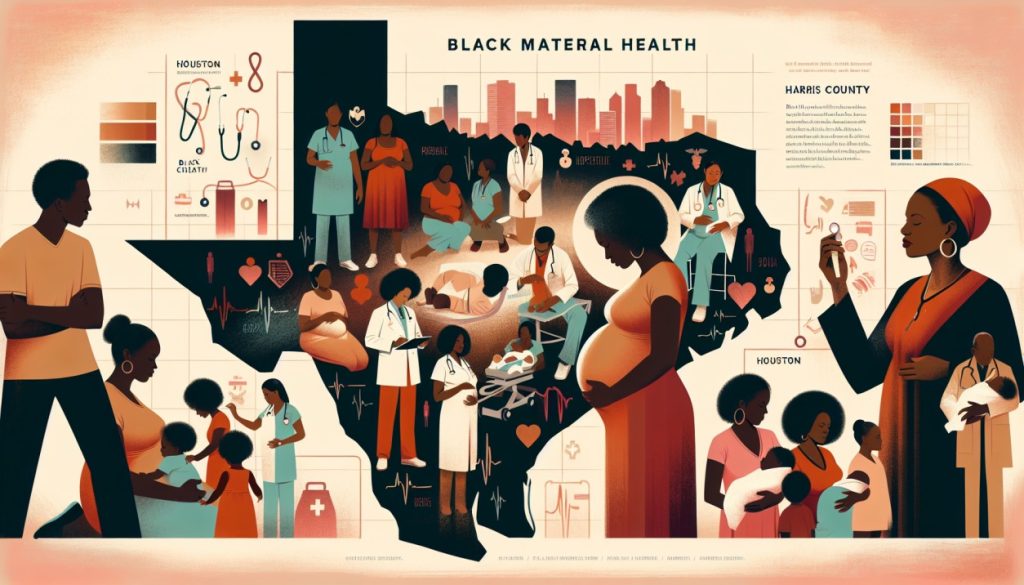
Caregiving is universal, but it is not experienced equally. In communities of color, caregiving is more common, starts earlier, and is more demanding. Black caregivers tend to provide more hours of care per week and are more likely to care for more than one family member at a time. Latino caregivers often shoulder responsibilities across generations, sometimes caring for aging parents while raising young children. Asian American caregivers frequently feel cultural pressure to manage care within the family, often without external help. Native caregivers face inequities tied to healthcare access, compounded chronic disease burdens, and resource shortages.
These communities provide more care with fewer supports — and still show up, day after day.
Caregivers of color also face higher rates of chronic illness in their families, greater financial strain, and more difficulty accessing respite care or mental health support. Many work frontline or essential jobs with little flexibility, making caregiving responsibilities even harder to manage. And because of long-standing economic inequities, the financial sacrifices of caregiving hit these communities especially hard.
Yet despite these challenges, caregivers of color are pillars in their families and communities. Their contributions keep loved ones at home, ensure elders receive dignified care, and maintain cultural and emotional continuity across generations.
The Cost of an Invisible Workforce
Unpaid caregivers provide an estimated $600 billion in economic value every year — more than the nation spends on home health and nursing home care combined. If they stopped tomorrow, the healthcare system would collapse. Hospitals do not have the beds. Nursing homes do not have the staff. Insurance programs do not have the budgets.
Caregivers are not “helpers.” They are a workforce. A workforce that keeps families alive, elders safe, and patients stable — while the country looks away.
A Better Path Forward
Fixing caregiving in America requires more than praise; it requires concrete action. Caregivers need financial support so they don’t sink into debt while caring for relatives. They need paid family leave policies that acknowledge caregiving as essential labor. They need access to home- and community-based services that can lighten the load. They need mental health support that is culturally competent and accessible. And they need trained care navigators who can help them understand benefits, coordinate services, and plan for the future.
Most of all, caregivers need recognition. Not just during National Family Caregivers Month — but year-round. Their work is not charity. It is healthcare.
Honoring the Journey
The caregiver journey is one of courage and commitment. It is a journey filled with heavy days and small victories, whispered prayers and impossible decisions, exhaustion and unyielding love. It is a journey walked largely in silence — but it sustains the very fabric of American healthcare.
As we recognize National Family Caregivers Month, FYH.News honors every caregiver navigating this path. Your work matters. Your sacrifices matter. And your story deserves to be told.
Trending Topics
Features
- Drive Toolkit
Download and distribute powerful vaccination QI resources for your community.
- Health Champions
Sign up now to support health equity and sustainable health outcomes in your community.
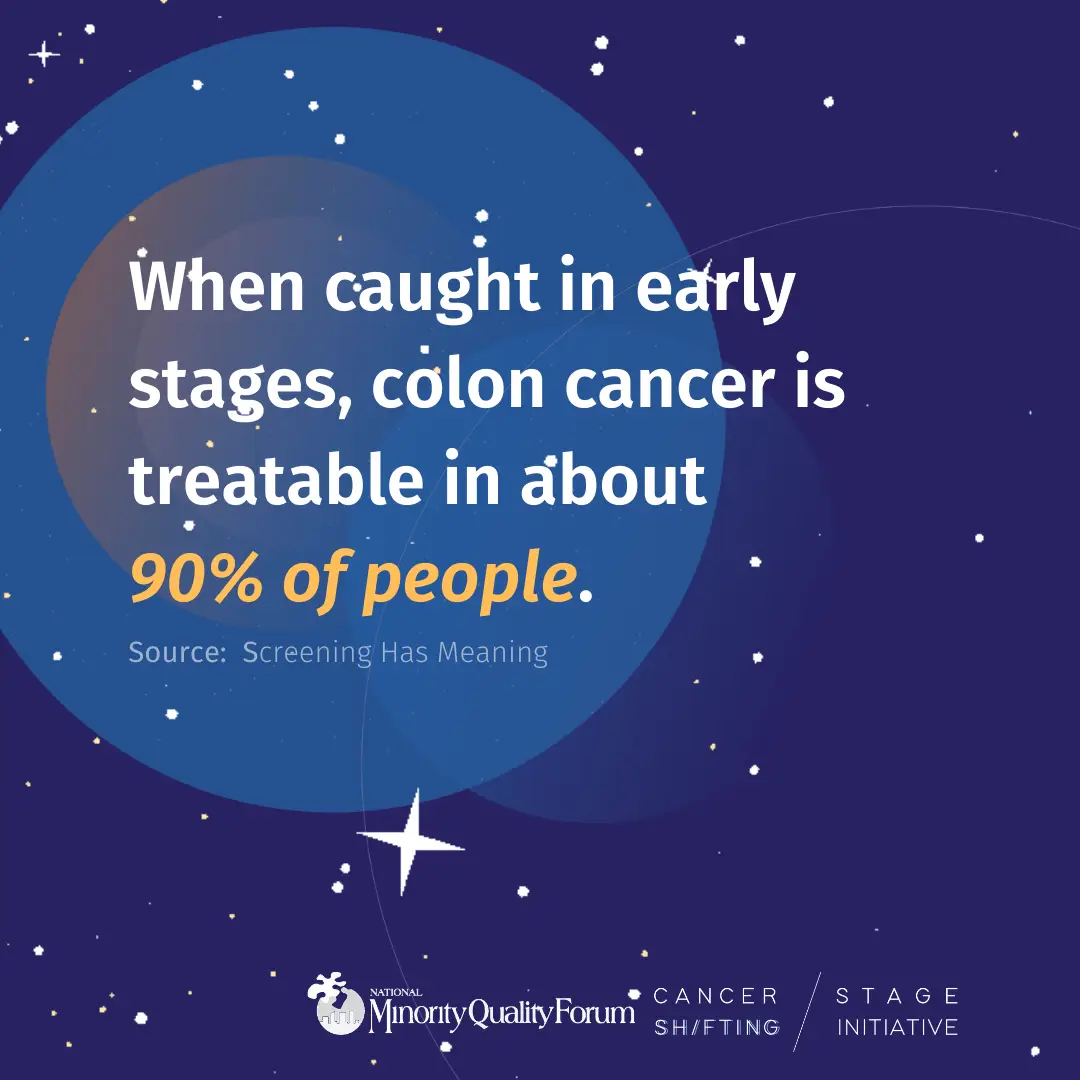
- Cancer Early Detection
MCED tests use a simple blood draw to screen for many kinds of cancer at once.
- PR
FYHN is a bridge connecting health information providers to BIPOC communities in a trusted environment.
- Medicare
Discover an honest look at our Medicare system.
- Alliance for Representative Clinical Trials
ARC was launched to create a network of community clinicians to diversify and bring clinical trials to communities of color and other communities that have been underrepresented.
- Reducing Patient Risk
The single most important purpose of our healthcare system is to reduce patient risk for an acute event.
- Subash Kafle
- Subash Kafle