







- By Jessica Wilson

As misinformation about vaccines continues to spread — especially in communities of color where trust in the medical system has long been fragile — it is more urgent than ever to separate myths from fact. Here is a clear, evidence-based account of some of the most common misconceptions and what trusted research and public-health authorities say is true.
One widespread myth holds that once someone has had an infection, or received an earlier version of a vaccine, they no longer need updated shots or boosters. That is not accurate. According to public-health guidance, both natural immunity from a previous infection and protection from older vaccines decline over time. The most recent versions of vaccines have been updated to defend against currently circulating strains, offering better protection against severe disease, long COVID, hospitalization, and death.
Another persistent myth is that vaccines — including COVID-19 vaccines — can cause infertility or otherwise impair reproductive health. That claim has consistently been debunked by multiple studies and by leading medical organizations. For example, the suggestion that vaccines could impair fertility has no credible scientific basis, and experts emphasize that contracting COVID-19 itself has been shown to temporarily affect male fertility — illustrating that getting vaccinated is safer than risking infection.
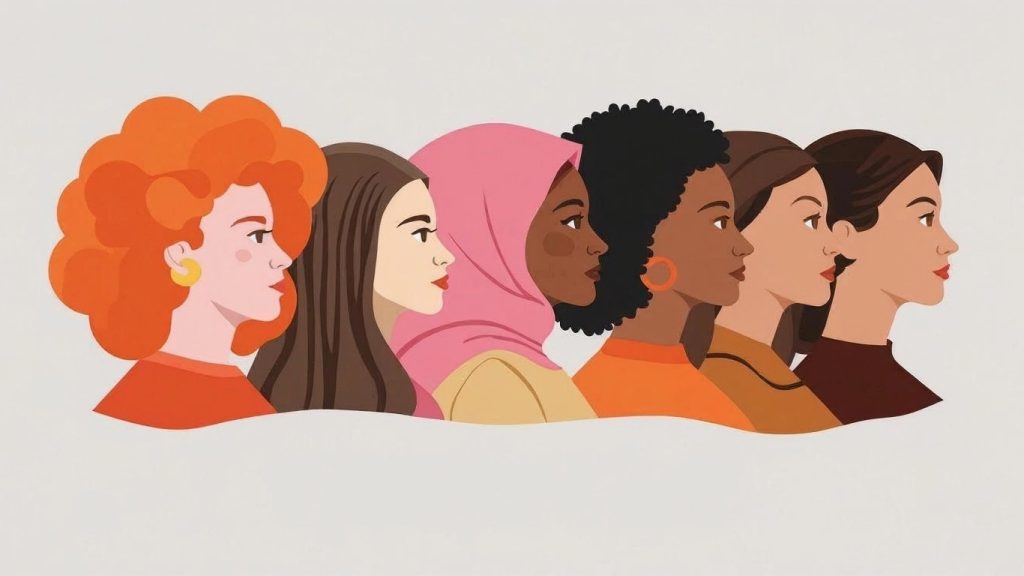
Some individuals express concern that vaccines were not adequately tested in people from racial or ethnic minority backgrounds, or that communities of color were understood neither as participants in trials nor beneficiaries of vaccine protection. That is also false. Clinical trials for vaccines, including COVID-19 vaccines, enrolled participants from diverse racial, ethnic, age, and socioeconomic backgrounds. Researchers found no significant safety issues across different demographic groups. As such, vaccines are considered effective and safe across all communities.
Another misconception is that vaccines contain dangerous toxins or chemicals that could cause long-term harm. Some worry about ingredients such as aluminum, preservatives, or other additives. But decades of research and oversight by reputable health organizations show that the small amounts of adjuvants or preservatives used in vaccines are safe. The benefit of immunity — without enduring the risks that come with the actual diseases — far outweighs the minimal risks associated with vaccine ingredients.
Finally, there is a myth that widespread vaccination is no longer needed because many vaccine-preventable diseases have become rare. This overlooks a critical fact: diseases remain rare precisely because of high vaccination coverage. When vaccine uptake drops, outbreaks can return — a risk not only to those who are unvaccinated but to entire communities, including people who are immunocompromised or cannot be vaccinated.
Efforts to counter these myths have become more deliberate and community-centered. For example, the program led by Centers for Disease Control and Prevention (CDC) called Partnering for Vaccine Equity (P4VE) works with community-based organizations to build trust and increase vaccine uptake among historically underserved racial and ethnic minority groups. By engaging trusted local messengers, providing culturally tailored information, and making vaccination easier to access, these efforts aim to overcome hesitancy rooted not only in misinformation but also in systemic barriers. In addressing vaccine misinformation, clear and honest communication matters. As the CDC recommends, it helps when health messages come from trusted community leaders and when information is shared in formats that meet people where they are, including social media, local events, and media channels familiar to members of the community.
For communities of color — where historic injustices have contributed to mistrust — these strategies are especially important. Ensuring equitable access to vaccines and transparent, respectful communication can help protect individuals and entire communities from preventable diseases.
As science advances, so do the vaccines. Staying informed with reliable sources and maintaining up-to-date vaccinations remains one of the most effective ways individuals can protect themselves, their families, and their neighbors.
Stay Informed. Stay Empowered.
Trending Topics

Features
- Drive Toolkit
Download and distribute powerful vaccination QI resources for your community.
- Health Champions
Sign up now to support health equity and sustainable health outcomes in your community.
- Cancer Early Detection
MCED tests use a simple blood draw to screen for many kinds of cancer at once.
- PR
FYHN is a bridge connecting health information providers to BIPOC communities in a trusted environment.
- Medicare
Discover an honest look at our Medicare system.
- Alliance for Representative Clinical Trials
ARC was launched to create a network of community clinicians to diversify and bring clinical trials to communities of color and other communities that have been underrepresented.
- Reducing Patient Risk
The single most important purpose of our healthcare system is to reduce patient risk for an acute event.
- Jessica Wilson
- Jessica Wilson
- Victor Mejia