




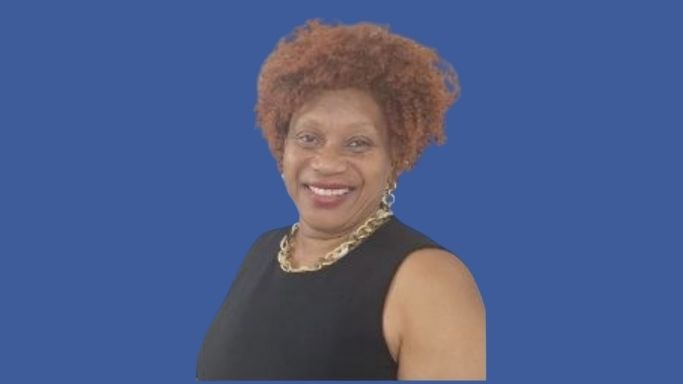
Mrs. Vivian-Clark James, a Columbia-based public health leader and church health ministry chair, has spent her career pushing for better access to HIV, hepatitis C, and COVID-19 prevention and care in African American and other under-served communities. A veteran health advocate whose work sits at the crossroads of faith, science, and community organizing is being honored for more than two decades of service in South Carolina. Her leadership now spans local neighborhoods, statewide planning councils, and national research and advocacy networks focused on closing longstanding health gaps.
Public health data underscore why her work matters. Nationally, Black Americans make up about 12 percent of the U.S. population but accounted for 37 percent of new HIV infections in 2022, according to HIV.gov. The Office of Minority Health reports that Black people are diagnosed with HIV at more than twice the rate of the overall population, with Black women facing some of the highest diagnosis and AIDS rates in the country. Office of Minority Health Hepatitis C shows a similar pattern: a recent review in JAMA found that the prevalence of hepatitis C among Black people in the United States is more than double that of non-Black populations, with higher mortality rates as well. JAMA Network Federal data indicate that Black Americans are also almost twice as likely to die from hepatitis C as white Americans, reflecting barriers to testing, treatment, and follow-up care. During the COVID-19 pandemic, age-adjusted analyses by the Kaiser Family Foundation showed that people of color, including Black communities, were about twice as likely to die from COVID-19 as white people, especially during early surges. Together, these statistics highlight the structural inequities that Clark-James has been working against for much of her professional life.
Faith, public health, and a lifelong mission
Clark-James, a graduate of Dreher High School and the University of South Carolina, began her public health journey at what was then the South Carolina HIV Council, now known as the Wright Wellness Center, where she served as a Centers for Disease Control and Prevention (CDC) project coordinator. There, she helped expand HIV testing, education, and support in communities where stigma and limited access to care often kept people from seeking help. Later, as a Community Health Assisting Partner with the South Carolina Department of Health and Environmental Control, she worked directly with individuals and families facing HIV, AIDS, and other chronic illnesses, gaining a close view of the emotional and social burdens that accompany long-term disease.
Over the years, Clark-James has become a key connector for major public health campaigns across the Southeast. She has supported initiatives targeting HIV, syphilis, hepatitis C, and COVID-19, often serving as a bridge between health agencies, historically Black colleges and universities (HBCUs), and faith communities. Her roles have included project coordinator for the National Black Leadership Commission on Health’s COVID Outreach Initiative and project liaison for a statewide HBCU Health Initiative. She helped guide efforts such as the “Nurturing the Tree of Life” HBCU Health Initiative and the Southern COVID Vaccine Project in Columbia, bringing vaccine information and prevention resources directly to students and campus communities at a time when misinformation and mistrust were widespread.
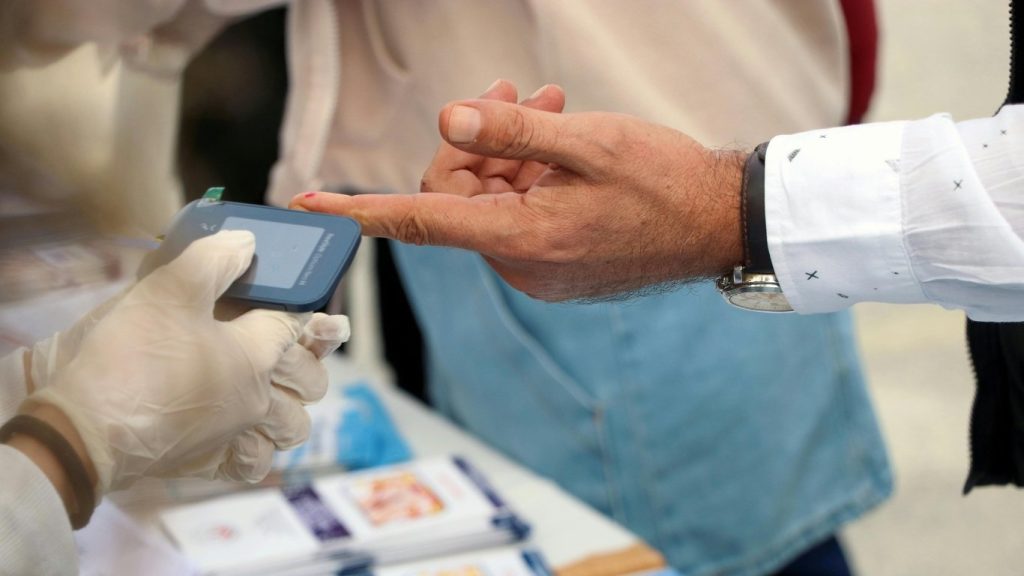
Clark-James has also been deeply involved in HIV testing and prevention strategies tailored to Black communities. She coordinated a CDC Rapid HIV Testing Project and contributed to the Syphilis Elimination Project, the V.O.I.C.E.S. Outcome Monitoring Project, and HBCU HIV/STI Mobile Screening Teams. Her work has extended into correctional settings through the SPNS Testing Project, helping ensure that people who are incarcerated—who often face some of the highest burdens of infectious disease—are not left out of prevention and care. Today, she continues to serve as a liaison for the CDC’s “Sound the Alarm” Hepatitis C Five Southern City Project, a regional effort focused on identifying and treating hepatitis C in communities with some of the country’s highest infection and mortality rates.
Her national reach includes faith-centered research and advocacy. Clark-James serves as Faith Champion Liaison for the National Minority Quality Forum (NMQF) Faith Health Alliance, a network that works with pastors and congregations to promote health equity in Black and Brown communities. She also consults with the Fred Hutchinson Cancer Research Center’s HIV Vaccine Trial Network, helping ensure that Black communities and faith leaders have a voice in vaccine research and outreach. National experts have emphasized that partnerships like these—linking clinical science and local faith leadership—are essential to reducing HIV infections and improving access to preventive tools such as testing, treatment, and pre-exposure prophylaxis (PrEP).
Most recently, her organizing skills were central to The Game Plan for Life Men’s Prostate and Colorectal Health Summit in Columbia, a regional initiative designed to bring cancer education and screenings directly to men, particularly African American men who face higher risks of both prostate and colorectal cancer. Clark-James coordinated community engagement, media outreach, and registration, ensuring that men received personal invitations, clear information, and encouragement to attend. Her work helped draw participants from neighborhoods that are often missed by traditional hospital outreach, giving them access to early detection resources that can dramatically improve survival.
Beyond formal public health programs, Clark-James’s influence is felt in both church and city leadership. At Trinity Baptist Church in Columbia, she serves as chair of the Health and Wellness Ministry and is a member of the Senior Ushers Ministry, where she helps integrate health education into worship life and community events. She was appointed by the Columbia City Council in 2023 as a commissioner on the Midlands Council of Government, where she brings a public health lens to regional planning. As president of the Martin Luther King Lower Waverly Neighborhood Association, she focuses on resident empowerment, neighborhood revitalization, and connecting families with essential services. She also serves as a voting member of the South Carolina HIV Planning Council, contributing lived experience and technical expertise to statewide HIV policy and resource decisions.
Her efforts have been recognized widely. Over the years, Clark-James has received the Midlands Unsung Hero Award (2003), the South Carolina HIV/Hepatitis C Prevention Award (2017), and the Mayor’s Talented Tenth Community Service Award (2018), honors that reflect both her behind-the-scenes organizing and her public leadership. She is also a mother, grandmother, and great-grandmother, and in February 2024 she married Mr. Frank James, adding another chapter to a life that community members describe as grounded in both family and service.
As South Carolina continues to confront HIV, hepatitis C, COVID-19, and chronic disease disparities that fall hardest on Black communities, Clark-James’s work offers a model of what sustained, community-rooted leadership can accomplish. From coordinating rapid testing projects and campus health campaigns to ushering congregants into a church health fair or making sure men receive invitations to cancer screenings, she has spent more than two decades turning big public health goals into tangible action. For many in Columbia and across the state, her long record of service is not just a resume—it is a beacon of hope for a healthier, more equitable future.
Also Read: From Sanctuary to Summit: How Barrien DeLon Henderson Lives Out Servant Leadership
Trending Topics
Features
- Drive Toolkit
Download and distribute powerful vaccination QI resources for your community.
- Health Champions
Sign up now to support health equity and sustainable health outcomes in your community.
- Cancer Early Detection
MCED tests use a simple blood draw to screen for many kinds of cancer at once.
- PR
FYHN is a bridge connecting health information providers to BIPOC communities in a trusted environment.
- Medicare
Discover an honest look at our Medicare system.
- Alliance for Representative Clinical Trials
ARC was launched to create a network of community clinicians to diversify and bring clinical trials to communities of color and other communities that have been underrepresented.
- Reducing Patient Risk
The single most important purpose of our healthcare system is to reduce patient risk for an acute event.
- Jessica Wilson
- Subash Kafle
- Jessica Wilson