









[ad_1]
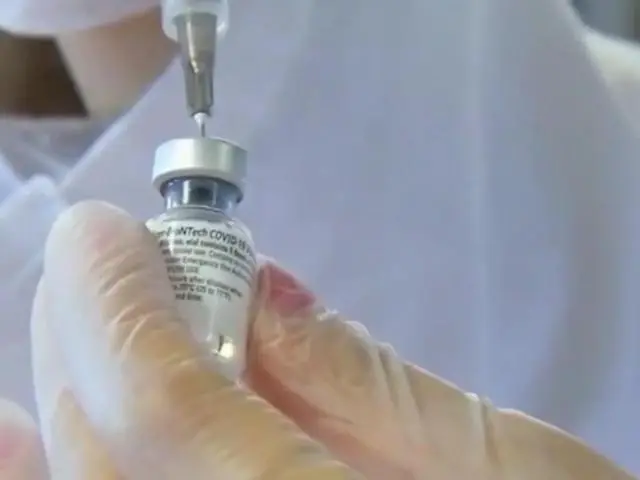
Raleigh, N.C. — About two out of every three people in North Carolina have received at least one dose of the COVID-19 vaccine, data shows.
Those who are older, Asian, Hispanic or identify as female are more likely to get their shots, the state’s dashboard reveals.
North Carolina has been transparent about that information since the early days of the pandemic and now, the White House Office of Science and Technology Policy are lauding those efforts.
“[They were] really meeting and reaching people where they are at,” said Matthew Hepburn, the White House senior advisor for pandemic preparedness. “That needs to be prioritized on a leadership level. That has to be resourced and what North Carolina really did was prioritize that at the beginning of the pandemic.”
During Thursday’s meeting, state Health Secretary Kody Kinsley said North Carolina knew early on that a data-driven response would help them see where there are gaps in their outreach and education.
It’s that part of the response that the federal pandemic preparedness team feels could and should be implemented nationwide, should the country face another health crisis.
“It works,” said Hepburn, a Duke alum. “When you look at the data on a state level, it’s where you have that strong communication and health education, that the vaccination rates are higher, the health behaviors are much improved as a consequence.”

Still, disparities exist. Some counties have significantly higher vaccination rates, like Orange County where about four out of every five residents has received at least one dose. On a state level, there are gaps when it comes to race and age. Only 32% of the state’s American Indian population has received one shot and youngest eligible North Carolinians – those 5 to 11 – are still lagging behind.
“When we leave people behind, we hurt everyone else,” Kinsley said. “The health of my neighbor, my family, my friends impacts my health.”
A refrain echoed during Thursday’s meeting: Talking to people about COVID opens a line of communication to discuss other health conditions. He said he hopes they built trust in some communities by ethically using the data collected and that they can build on those relationships.
“We have to move forward together,” Kinsley said. “We need to learn the best things we did during the midst of the pandemic and parlay that into having a positive impact on people’s lives for every other health and wellness issue we face.”
Reported COVID-19 hospitalizations in NC
[ad_2]
Source link