






Youth Vaping, Social Media, and Respiratory Health in Minority Teens
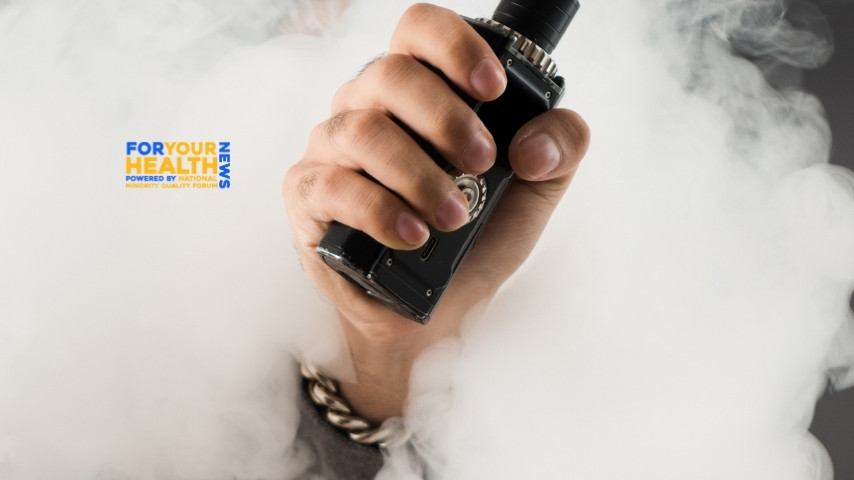
Youth vaping among minority teens is becoming a serious health concern. On social media, vaping often looks fun and harmless, but the reality is very different. For many Black, Brown, Indigenous, and other teens of color, vaping adds new risks on top of existing respiratory and health inequities. A quick scroll through TikTok, Instagram, or Snapchat shows clouds of flavored vapor, sleek devices that look like USB drives, and jokes that make it all seem like no big deal.
Behind the filters and trending sounds, though, vaping is creating serious risks for teen lungs—especially for young people who already live with higher rates of asthma, more air pollution in their neighborhoods, and less access to affordable, culturally competent care. Recent CDC data from the National Youth Tobacco Survey show youth e-cigarette use has fallen from over 5 million in 2019 to about 1.6 million in 2024, but more than 1.6 million kids still vape. The American Lung Association notes that this burden continues to fall hardest on many communities of color.
This FYH.News article breaks down how vaping, social media, and health inequities collide—and what families and communities can do about it.
Vaping means using electronic cigarettes (e-cigarettes) or similar devices that heat a liquid into an aerosol that is inhaled into the lungs. Many of these liquids contain nicotine, which is highly addictive and can harm the developing teen brain, along with sweet, fruity, minty, or candy-like flavorings and other chemicals that can irritate and damage the lungs. Public health agencies like the Centers for Disease Control and Prevention (CDC) note that no tobacco products, including e-cigarettes, are safe for children and teens. CDC+1 Because vapes do not look or smell like traditional cigarettes, many young people see them as “safer.” But “safer than cigarettes” does not mean safe—especially for growing lungs.
For teens of color, vaping does not happen in a vacuum. Many grow up in neighborhoods where tobacco and vape products are heavily marketed, where stress from racism, discrimination, or financial pressure is part of daily life, and where access to youth-friendly health care is limited. Research highlighted by the American Lung Association shows that Black and Latino children are more likely to live near busy roads, factories, and other sources of air pollution, and they experience higher rates of asthma and asthma-related hospital visits than white children. American Lung Association+2PMC+2 When vaping is marketed as a stress reliever or something “cool,” it can feel like an easy escape—but it stacks more risk on top of an already unfair load.
Social media adds fuel to this fire. Teens see influencers and classmates vaping in jokes, trends, and “aesthetic” videos. Flavored vapes show up as colorful, fun accessories rather than health threats. Product placement often looks like lifestyle content, not advertising. For minority teens who rarely see themselves in positive health campaigns—but often see people who look like them vaping online—this can send a strong message: “Everyone’s doing it. It’s not a big deal.” Short videos rarely show the coughing, wheezing, addiction, or long-term breathing problems that can follow. They show the highlight reel, not the health bill.
Teen lungs are still developing, which makes vaping more dangerous. Chemicals in the aerosol can irritate airways and cause coughing, wheezing, and shortness of breath. Vaping can trigger or worsen asthma, especially in teens who already live in high-pollution areas or older housing with mold and poor ventilation. Over time, vaping may reduce lung function, making sports, dance, singing, and other physical activities harder. In some cases, medical journals have reported serious lung injury linked to vaping products, known as e-cigarette or vaping product use–associated lung injury (EVALI). PMC+1 Public health experts at CDC and FDA have warned that, even though youth vaping has fallen from its peak, e-cigarette use among youth remains a serious public health concern and e-cigarettes are still the most commonly used tobacco product among U.S. youth.
Parents and caregivers often worry that they will miss the signs. Vaping devices are small and easy to hide; some look like USB drives, pens, or tiny pods. A teen who vapes may smell like sweet, fruity, or minty flavors without a clear source. They may cough more, complain of chest tightness, or seem short of breath during sports. Some become more anxious or irritable when they have not vaped, or slip outside or to the bathroom more often during stressful moments or long stretches on their phones.
How families talk about vaping matters. Conversations usually work better than confrontations. Instead of accusing, caregivers can ask what teens are seeing on TikTok or Instagram, or how common vaping is at school and how they feel about it. It can help to connect the issue to what teens care about most: playing sports, singing in the choir, dancing, gaming without getting winded, or pursuing future careers that require good health. Sharing clear facts—such as “this is not just water vapor” and “vaping can make asthma and breathing worse”—is often more effective than scare tactics. It is also important to acknowledge stress. Many teens use vaping to cope with anxiety, school pressure, or family challenges. Asking what they are dealing with, and talking about healthier ways to manage stress, shows respect and support rather than judgment.
Communities and schools also have an important role to play. Protecting minority teens from vaping is not just a family responsibility; it is a chance for neighborhoods, faith communities, clinics, and schools to work together. Community leaders can push for health education that reflects Black, Latino, Indigenous, and immigrant experiences instead of relying on one-size-fits-all messages. Local organizations can partner with clinics, churches, mosques, and community centers to host youth-friendly workshops on vaping, lung health, and stress. Advocates can support policies that limit flavored vapes that attract young people and reduce targeted marketing in already overburdened neighborhoods. Expanding school-based mental health services can also help, so vaping is not seen as the easiest or only way to cope.
There are small steps adults can take right away. A parent, teacher, coach, or mentor can start one short, judgment-free conversation with a teen about what they are seeing and feeling when it comes to vaping. Families can follow at least one trusted health account that talks honestly about youth vaping and share posts that feel relatable. Community members can ask local schools, youth groups, and after-school programs what they are doing to address vaping—and how they can help. If a teen is already vaping, talking with a doctor, nurse, pharmacist, or community health worker can open doors to support and treatment.
Protecting the lungs and futures of minority teens means meeting them where they are—online, at school, and in their neighborhoods—and offering real information, real support, and real alternatives. Youth deserve more than a cloud of vapor. They deserve clean air, clear facts, and a fair chance to breathe easy.
Also Read: RSV Health Equity: Protecting Black and Brown Infants From RSV
Trending Topics

Features
- Drive Toolkit
Download and distribute powerful vaccination QI resources for your community.
- Health Champions
Sign up now to support health equity and sustainable health outcomes in your community.
- Cancer Early Detection
MCED tests use a simple blood draw to screen for many kinds of cancer at once.
- PR
FYHN is a bridge connecting health information providers to BIPOC communities in a trusted environment.
- Medicare
Discover an honest look at our Medicare system.
- Alliance for Representative Clinical Trials
ARC was launched to create a network of community clinicians to diversify and bring clinical trials to communities of color and other communities that have been underrepresented.
- Reducing Patient Risk
The single most important purpose of our healthcare system is to reduce patient risk for an acute event.
- Jessica Wilson
- Subash Kafle