













[ad_1]
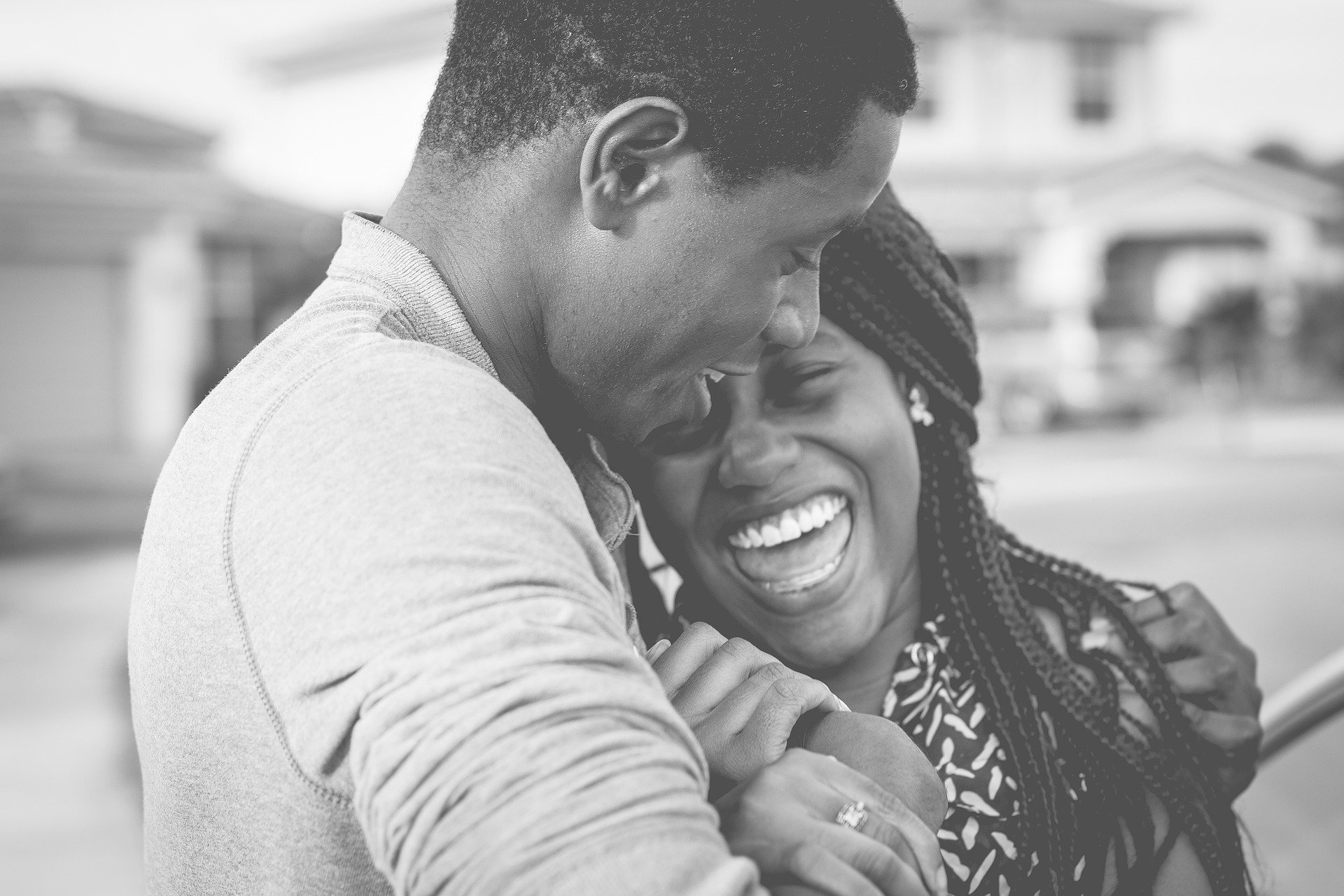
Everyday experiences of racial discrimination—such as being treated disrespectfully, mistaken for someone of the same race or told an offensive joke—are known to be a source of chronic stress for African American individuals, affecting physical and mental health.
They can also take a toll on relationships, according to new Cornell research that is the first to examine everyday racism as a key stressor in the lives of African American couples. Study participants reported that when their partner was angered or saddened by an incident of routine racism, the quality of their relationship suffered.
“These findings advance our understanding of the social effects of everyday racism and the various ways it can impinge on the interpersonal flourishing of African American couples,” said Anthony Ong, professor of psychology in the College of Human Ecology (CHE) and professor of gerontology in medicine at Weill Cornell Medicine.
Ong is the lead author of “The Relational Wear and Tear of Everyday Racism Among African American Couples,” published June 30 in Psychological Science. Co-authors are Betül Urganci, Ph.D. ’22; Anthony Burrow, the Ferris Family Associate Professor of Life Course Studies in the Department of Psychology (CHE); and Tracy DeHart, associate professor of psychology at Loyola University Chicago.
As part of a larger study, the researchers recruited nearly 100 African American couples from the Chicago area who completed online surveys about their daily experience for 21 consecutive evenings. Participants on average were 36 years old and had been in their current relationship for about seven years.
The surveys measured aspects of relationship quality, including satisfaction, trust and intimacy; the frequency and impact of experiencing 20 different daily experiences of racial discrimination and how participants were feeling each day, ranging from “angry,” “ashamed” and “dejected” to “cheerful,” “excited” and “happy.”
The team compared changes in reported moods and feelings—known as “affective reactivity”—on days when they did or did not experience discrimination. The researchers controlled for variables including age, gender, marital status, income and frequency of discrimination, as well as how easily stressed participants said they were typically.
The results showed an inverse association between relationship quality and heightened affective reactivity to everyday racism. Regardless of gender, study participants said a partner’s anger, depression or humiliation from a racist experience spilled over into their relationship, with one consequence being lower levels of passion or intimacy. The effects were greater when negative feelings intensified, versus when positive feelings diminished.
Spillover stress impacts on intimate relationships have been widely reported, but the researchers said the new study is the first to analyze that process in the context of African American couples. They said the findings highlight the importance of considering everyday racial discrimination as an interpersonal phenomenon, and suggest clinical interventions could be designed to help teach couples how to more effectively regulate responses to the strain of daily experiences.
“These findings suggest more attention should be paid to the effects of racism-related stress in African American couples,” Ong said, “among whom heightened affective reactivity to daily encounters of racial discrimination may reflect an embedded history of racism.”
Citing the daily data collected from African American couples as a key strength of their study, the study authors also noted limitations, including potential memory bias in self-reported data, and called for further research. That might extend to looking at the impact on relationships of unhealthy coping behaviors such as drinking and smoking.
“How African American couples respond to and are affected by each other’s experiences of everyday racial discrimination,” they wrote, “thus remains a critical direction for future research.”
Anthony D. Ong et al, The Relational Wear and Tear of Everyday Racism Among African American Couples, Psychological Science (2022). DOI: 10.1177/09567976221077041
Citation:
African American couples feel wear and tear of everyday racism (2022, July 13)
retrieved 13 July 2022
from https://medicalxpress.com/news/2022-07-african-american-couples-everyday-racism.html
This document is subject to copyright. Apart from any fair dealing for the purpose of private study or research, no
part may be reproduced without the written permission. The content is provided for information purposes only.
[ad_2]
Source link