








Modelling prevalent cardiovascular disease in an urban Indigenous population

[ad_1]


Objective:

Studies have highlighted the inequities between the Indigenous and non-Indigenous populations with respect to the burden of cardiovascular disease and prevalence of predisposing risks resulting from historical and ongoing impacts of colonization. The objective of this study was to investigate factors associated with cardiovascular disease (CVD) within and specific to the Indigenous peoples living in Toronto, Ontario, and to evaluate the reliability and validity of the resulting model in a similar population.


Methods:

The Our Health Counts Toronto study measured the baseline health of Indigenous community members living in Toronto, Canada, using respondent-driven sampling. An iterative approach, valuing information from the literature, clinical insight and Indigenous lived experiences, as well as statistical measures was used to evaluate candidate predictors of CVD (self-reported experience of discrimination, ethnic identity, health conditions, income, education, age, gender and body size) prior to multivariable modelling. The resulting model was then validated using a distinct, geographically similar sample of Indigenous people living in Hamilton, Ontario, Canada.


Results:

The multivariable model of risk factors associated with prevalent CVD included age, diabetes, hypertension, body mass index and exposure to discrimination. The combined presence of diabetes and hypertension was associated with a greater risk of CVD relative to those with either condition and was the strongest predictor of CVD. Those who reported previous experiences of discrimination were also more likely to have CVD. Further study is needed to determine the effect of body size on risk of CVD in the urban Indigenous population. The final model had good discriminative ability and adequate calibration when applied to the Hamilton sample.


Conclusion:

Our modelling identified hypertension, diabetes and exposure to discrimination as factors associated with cardiovascular disease. Discrimination is a modifiable exposure that must be addressed to improve cardiovascular health among Indigenous populations.

RéSUMé: OBJECTIF: Des études ont souligné les iniquités entre les populations autochtones et non autochtones en ce qui a trait au fardeau des maladies cardiovasculaires et à la prévalence des risques prédisposants qui résultent des impacts historiques et continus de la colonisation. Nous avons voulu étudier les facteurs associés aux maladies cardiovasculaires (MCV) au sein des populations autochtones vivant à Toronto (Ontario) et spécifiques à ces populations, puis évaluer la fiabilité et la validité du modèle ainsi obtenu dans une population semblable. MéTHODE: L’étude Our Health Counts Toronto a mesuré l’état de santé de départ de membres de communautés autochtones vivant à Toronto, au Canada, à l’aide d’un échantillonnage en fonction des répondants. Une approche itérative, valorisant à la fois les données d’études scientifiques, l’expérience clinique, le vécu de personnes autochtones et les mesures statistiques, a été employée pour évaluer les candidats prédicteurs des MCV (expérience autodéclarée de discrimination, identité ethnique, affections médicales, revenu, instruction, âge, genre et taille) avant la modélisation multivariée. Le modèle ainsi obtenu a ensuite été validé à l’aide d’un échantillon distinct, mais géographiquement similaire, de personnes autochtones vivant à Hamilton (Ontario), au Canada. RéSULTATS: Le modèle multivarié des facteurs de risque associés aux MCV prévalentes incluait l’âge, le diabète, l’hypertension artérielle, l’indice de masse corporelle et l’exposition à la discrimination. La présence combinée du diabète et de l’hypertension artérielle était associée à un risque accru de MCV comparativement à l’une ou l’autre de ces deux affections médicales; c’était aussi la plus forte variable prédictive des MCV. Les personnes ayant déclaré des expériences passées de discrimination étaient aussi plus susceptibles d’être atteintes de MCV. D’autres études sont nécessaires pour déterminer l’effet de la taille sur le risque de MCV dans la population autochtone urbaine. Le modèle final avait un bon pouvoir discriminant et une calibration adéquate lorsqu’il a été appliqué à l’échantillon de Hamilton. CONCLUSION: Notre modélisation a cerné l’hypertension artérielle, le diabète et l’exposition à la discrimination comme facteurs associés aux maladies cardiovasculaires. La discrimination est un risque modifiable qui doit être abordé pour améliorer la santé cardiovasculaire au sein des populations autochtones.


Keywords:

Cardiovascular disease; Discrimination; Indigenous health; Model validation; Respondent-driven sampling.

[ad_2]

Source link

Trending Topics

Features

Download and distribute powerful vaccination QI resources for your community.

Sign up now to support health equity and sustainable health outcomes in your community.

MCED tests use a simple blood draw to screen for many kinds of cancer at once.

FYHN is a bridge connecting health information providers to BIPOC communities in a trusted environment.

Discover an honest look at our Medicare system.

ARC was launched to create a network of community clinicians to diversify and bring clinical trials to communities of color and other communities that have been underrepresented.

The single most important purpose of our healthcare system is to reduce patient risk for an acute event.

Related Posts
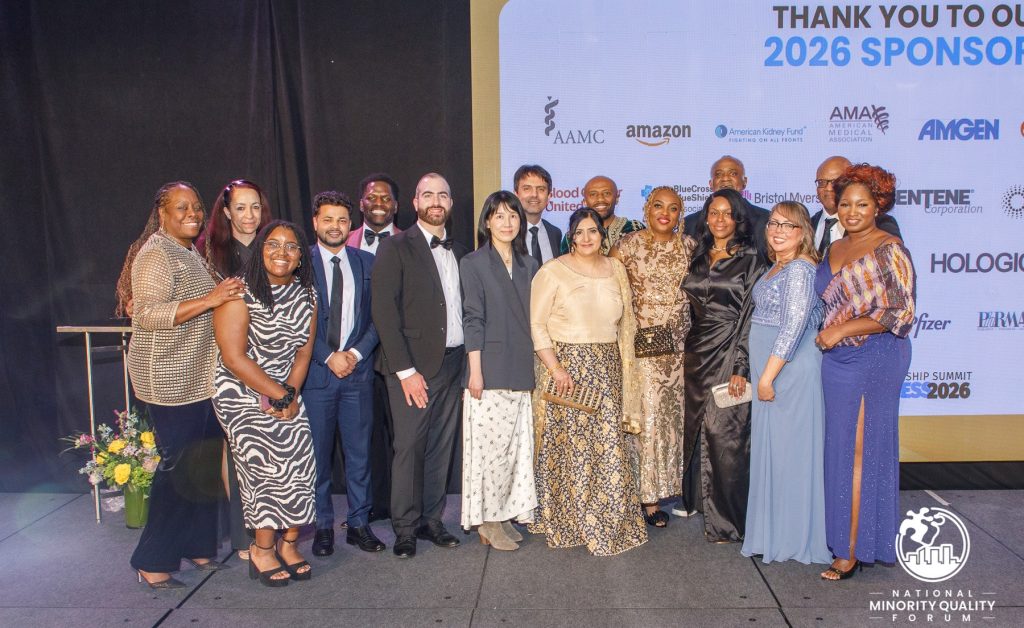
How NMQF Advances Minority Health Through Data, Research and Health Access
Early Cancer Detection Is Entering a New Era. Flint Is Helping Lead the Way.
Why Your “Ozempic” May Not Be Ozempic: FDA Warnings Highlight Growing Risks of Unregulated GLP-1 Drugs
Scroll to Top
Featured Articles
How NMQF Advances Minority Health Through Data, Research and Health Access
Early Cancer Detection Is Entering a New Era. Flint Is Helping Lead the Way.
Why Your “Ozempic” May Not Be Ozempic: FDA Warnings Highlight Growing Risks of Unregulated GLP-1 Drugs
Why Your “Ozempic” May Not Be Ozempic: FDA Warnings Highlight Growing Risks o...
The Communities Most Burdened by Disease Should Be the First to Benefit from Artificial Intelligence
The Communities Most Burdened by Disease Should Be the First to Benefit from ...
Cancer Pain Care Access Gap Hits Black, Asian Patients
Black and Asian Cancer Patients Wait Longer for Pain Relief in New Study
What Is Cyclosporiasis Symptoms, Food Safety, and Reasons
What Is Cyclosporiasis? The Foodborne Illness Showing Up in the News
Categories
AI
ATTR-CM
BIPOC News
Cancer
Clinical Trials
Covid19
Diseases of the Body
Environment
Health Data
Health Equity Events
Health Policy
Health Tips
Subscribe to our newsletter to receive our latest news​
All Stories
How NMQF Advances Minority Health Through Data, Research and Health Access
Early Cancer Detection Is Entering a New Era. Flint Is Helping Lead the Way.
Why Your “Ozempic” May Not Be Ozempic: FDA Warnings Highlight Growing Risks of Unregulated GLP-1 Drugs
Why Your “Ozempic” May Not Be Ozempic: FDA Warnings Highlight Growing Risks o...
BIPOC News
How NMQF Advances Minority Health Through Data, Research and Health Access
Early Cancer Detection Is Entering a New Era. Flint Is Helping Lead the Way.
The Communities Most Burdened by Disease Should Be the First to Benefit from Artificial Intelligence
The Communities Most Burdened by Disease Should Be the First to Benefit from ...
Environment
UV Safety Awareness Month Raises Urgency on Skin Cancer Prevention and Sun Protection Equity
UV Safety Awareness Month Raises Urgency on Skin Cancer Prevention and Sun Pr...
Extreme Heat Safety Tips 5 Ways to Protect Your Health This Summer fyh.news
5 Heat Safety Tips That Could Protect Your Health This Summer
Lupus Awareness Event in Baltimore Aims to Support Research and Shine a Light on Health Disparities
Lupus Awareness Event in Baltimore Aims to Support Research and Shine a Light...
Work Force
A multigenerational Black and Hispanic family sitting together in a park, showing how Social Security helps support older adults, people with disabilities, and families across generations.
Millions of Older Americans Could Face Smaller Social Security Checks by 2032...
dreamstime_s_243253251
The Caregiver Journey: The Hidden Backbone of American Healthcare
Families gather at a Bronx community festival with live music, kids’ activities, and health booths sharing SOMOS social care resources and free screenings.
Celebrating Hispanic heritage while learning about health care

[xyz-ips snippet=”Output-Source-Name”]

Clinical Trials
Early Cancer Detection Is Entering a New Era. Flint Is Helping Lead the Way.
Why Your “Ozempic” May Not Be Ozempic: FDA Warnings Highlight Growing Risks of Unregulated GLP-1 Drugs
Why Your “Ozempic” May Not Be Ozempic: FDA Warnings Highlight Growing Risks o...
Clinical Trial Diversity Remains a Critical Challenge in Alzheimer’s Research
Vaccines and Outbreaks
A parent checking a child's temperature during summer, illustrating the changing RSV patterns and year-round respiratory virus risks.
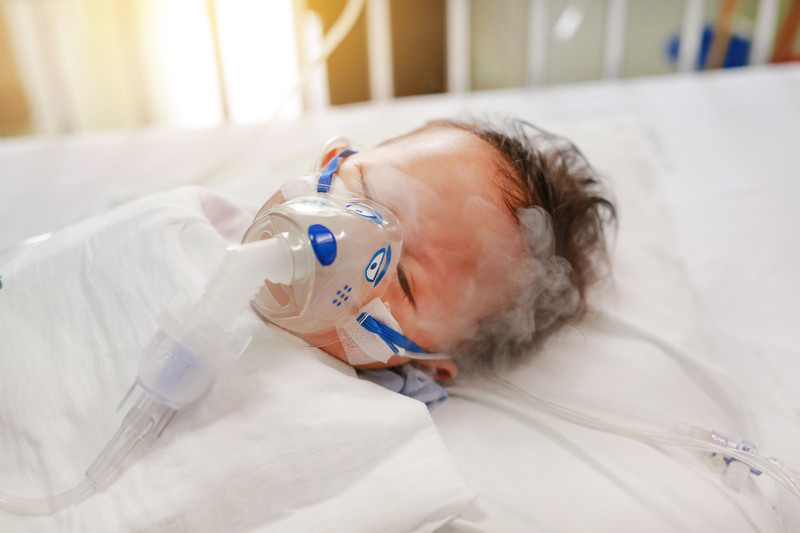
Can You Get RSV During the Summer?
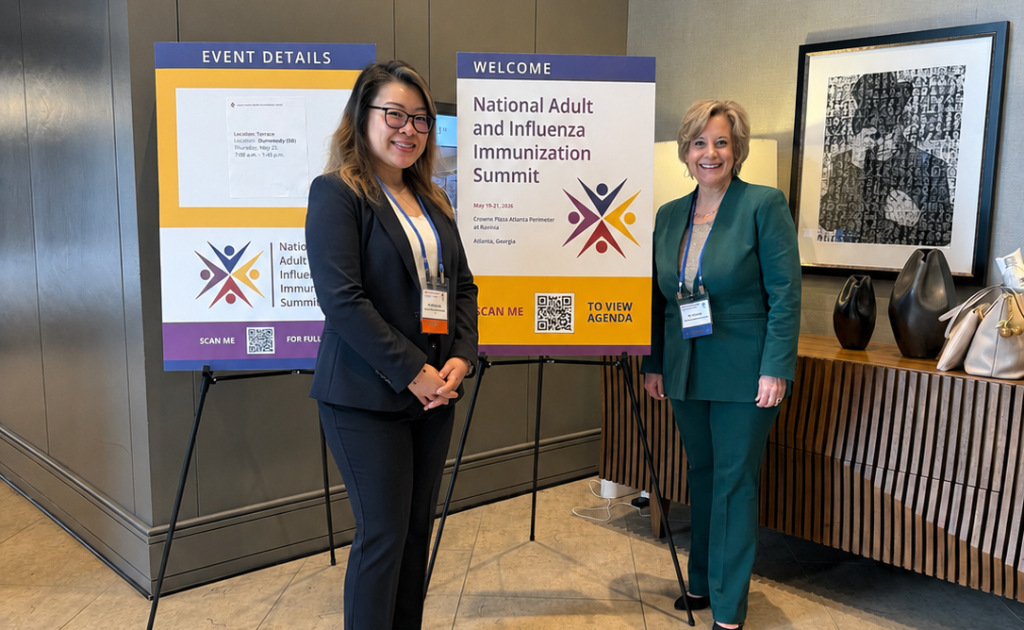
Michelle Lam, MBA, of NYC Health + Hospitals/Elmhurst & Amy Harris of NYC Health + Hospitals/Elmhurst
Healthcare Leaders Spotlight Vaccine Equity and Adult Immunization Strategies...
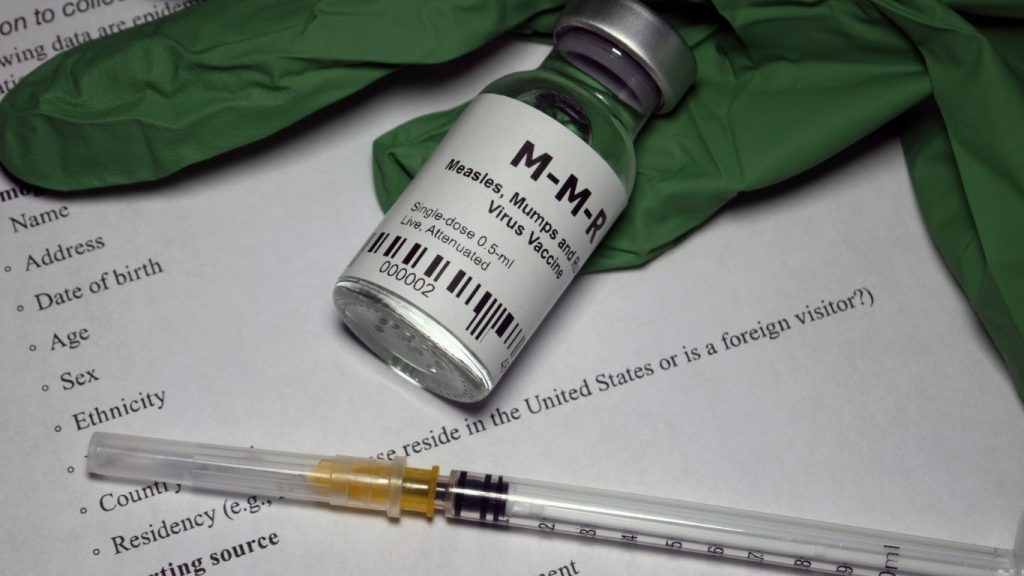
Measles Outbreaks Surge: Essential Facts and Prevention Strategies
Other Categories
AI
Read the latest AI News stories trending around the world
ATTR-CM
Cancer
Read the latest Cancer stories trending around the world
Covid19
Diseases of the Body
Read about the latest Diseases of the Body trending around the world
Friday Webinars
Every Friday, we bring you insightful webinars covering critical topics in healthcare, data equity, and policy reform.
Health Data
Read the latest Health Data stories trending around the world
Health Equity Events
Read the best Health Equity Events around the country.
Health Policy
Read the latest Health Policy stories trending around the world
Health Tips
Heart Health
Read the latest on Heart Health News, Stories and Tips.
kidney Health
Read more trending News about Kidney Health, Stories and Tips.