






[ad_1]
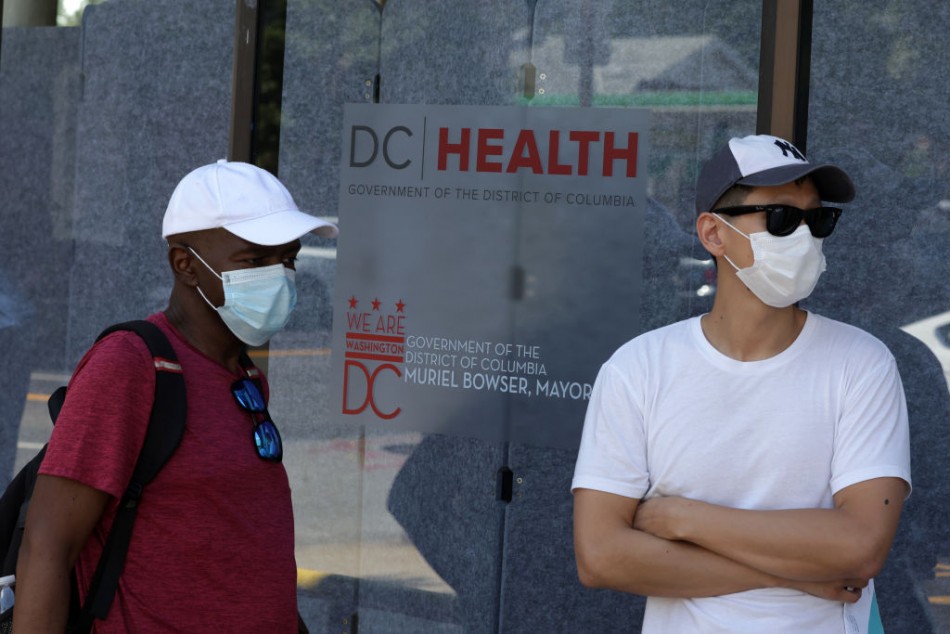
A detailed analysis of monkeypox case records published by the US Centers for Disease Control and Prevention (CDC) on Friday, August 5, offers new insight into the outbreak, which is disproportionately affecting men who have sex with men, especially those who are Hispanic and Black, according to CNN.
There were 2,891 cases of monkeypox reported in the U.S. by July 22, about two months after the first case in the country was reported. Case report forms with additional clinical and epidemiologic information were submitted to the CDC for 41 percent of those cases, though not all details were complete in all of those forms.
Among the cases with available data, 94 percent were in men who reported recent sexual or close intimate contact with another man. More than half of cases were among Black and Hispanic people (54 percent), a group that represents about a third of the general US population (34 percent). According to the CDC analysis, the share of monkeypox cases among Black people has grown in recent weeks.
Rash commonly reported in monkeypox outbreak
The authors of the report said that public health efforts should prioritize bisexual, gay, and other men who have sex with men, who are currently disproportionately affected, for testing and prevention, while minimizing stigma, addressing equity, and maintaining vigilance for transmission in other populations.
Additional analysis by the CDC shows that all of the patients with monkeypox had a rash. A genital rash was more commonly reported in the current outbreak, however, than in typical monkeypox cases. It was the most common location for rash (46 percent), followed by arms (40 percent), face (38 percent) and legs (37 percent).
More than a third of cases with available data reported rash in at least four regions. Early warning signs of illness, however, are less common in the current monkeypox outbreak compared with typical monkeypox cases.
The illness started with the rash, but no reported prodromal symptoms such as headache, chills, or malaise were witnessed in about 2 in 5 cases. About 2 in 5 monkeypox cases also did not report fever.
Read Also: Daughter Describes Parents as Cancer Warriors as They Fight Their Respective Deadly Disease Together
New vaccine approach for monkeypox
The authors of the report did emphasize that anyone with a rash consistent with monkeypox should be tested immediately for the virus, regardless of their gender or sexual identity or the presence of other symptoms.
Among those cases for which data was available, fewer than 1 in 10 needed hospitalization due to monkeypox (8 percent). No deaths were reported in those cases. Of those people for whom vaccination status was available, 14 percent had gotten a vaccine for smallpox, including 3 percent who had gotten one dose of Jynneos during this outbreak. At least one person with monkeypox had symptoms more than three weeks after getting their first dose of the Jynneos vaccine.
The agency said it is continually evaluating new evidence and tailoring response strategies as information on changing case demographics, transmission, clinical characteristics, and vaccine effectiveness become available.
Related Article: Family of NC Pilot, Who Died After Exiting Plane During Mid-flight Emergency, Left Reeling
© 2022 ParentHerald.com All rights reserved. Do not reproduce without permission.
[ad_2]
Source link