











- By Adjoa Kyerematen
The fact that Serena Williams and Beyoncé suffered from life-threatening complications while pregnant should tell you something about the racialized experience of motherhood in this country. Both iconic Black women have spoken about the medical complications they experienced creating thriving families. For Williams, it was a pulmonary embolism. Queen Bey suffered from preeclampsia. Being rich and famous meant very little.
It may seem surprising that Black women are three times more likely than White women to die from pregnancy-related complications and are more likely to suffer from other issues, such as hypertension and diabetes in pregnancy, regardless of money and means. This reality is even more compelling evidence of the racist structures that perpetuate the vicious cycle of health inequities.
But it is a reality that can be changed.
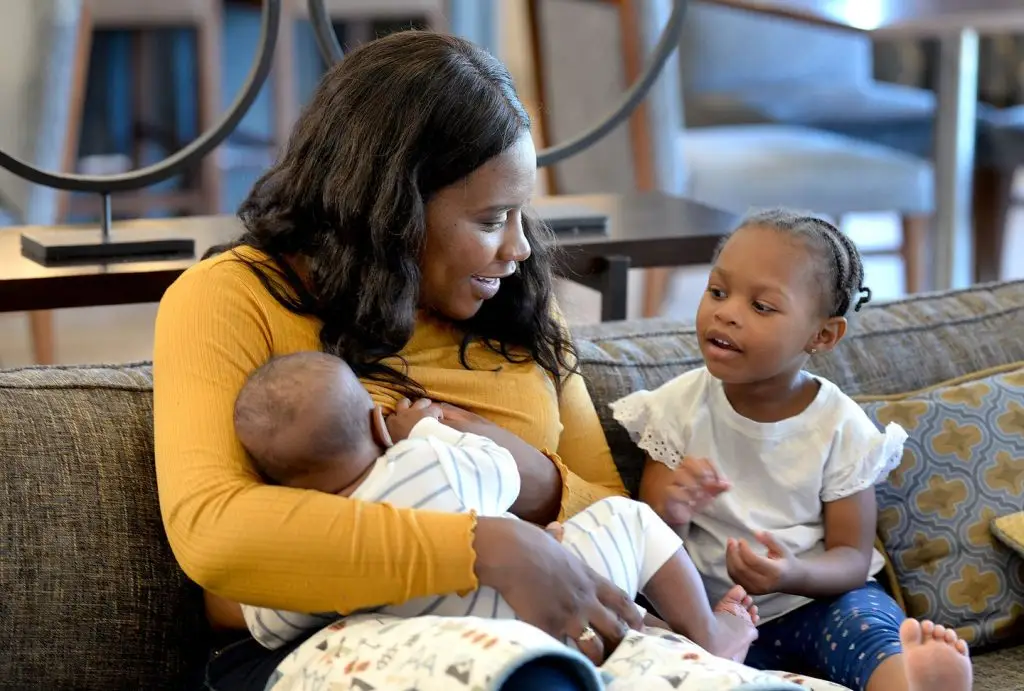
Unequal health outcomes are mirrored in the breastfeeding journey for many Black women, who are less likely than White women to meet their own breastfeeding goals. Yet, breastfeeding itself provides some hope at breaking this cycle of maternal health inequities. Nursing moms are less likely to have future health problems, such as hypertension, obesity, and diabetes.
And for babies, breastfeeding not only decreases their risk of neonatal infections and chronic health problems later in life, but it also can save lives. Breastfed infants are 26% less likely to die between the second week of life and first birthday, compared with non-breastfed infants. This is breathtaking when one considers that the Black infant mortality rate is double that of White infants. Like other maternal health inequities, antiracist medicine and policies can improve breastfeeding outcomes, something two Boston hospitals are working to achieve.
Trending Topics
Features
- Drive Toolkit
Download and distribute powerful vaccination QI resources for your community.
- Health Champions
Sign up now to support health equity and sustainable health outcomes in your community.
- Cancer Early Detection
MCED tests use a simple blood draw to screen for many kinds of cancer at once.
- PR
FYHN is a bridge connecting health information providers to BIPOC communities in a trusted environment.
- Medicare
Discover an honest look at our Medicare system.
- Alliance for Representative Clinical Trials
ARC was launched to create a network of community clinicians to diversify and bring clinical trials to communities of color and other communities that have been underrepresented.
- Reducing Patient Risk
The single most important purpose of our healthcare system is to reduce patient risk for an acute event.
- Jessica Wilson
- Subash Kafle