






- By Adjoa Kyerematen
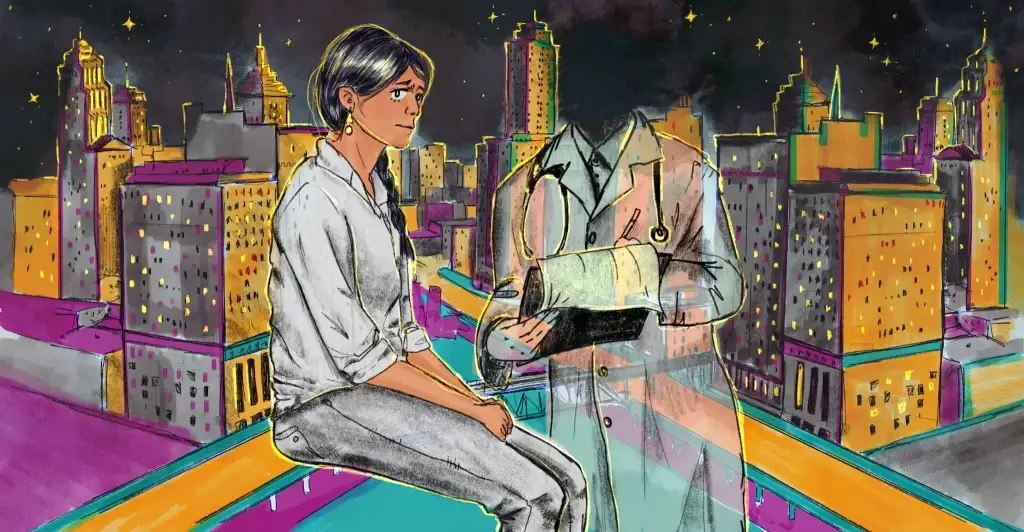
Over 70% of Indigenous people in the United States live in urban areas. But urban Indian health makes up less than 2% of the Indian Health Service’s annual budget.
While enrolled members of federally recognized tribes can access the Indian Health Service or tribally run health care on their reservations, Indigenous people who live in cities can find themselves without access to the care they’re entitled to.
“Even though we’re living in urban areas now, that doesn’t mean that our benefits should leave us,” said Esther Lucero, president and CEO of the Seattle Indian Health Board.
The Seattle Indian Health Board is one of many urban clinics across the United States that opened to address the discrimination and lack of services Indigenous people face in cities. These clinics work to meet the cultural and ceremonial needs of the populations they serve.
Trending Topics

Features
- Drive Toolkit
Download and distribute powerful vaccination QI resources for your community.
- Health Champions
Sign up now to support health equity and sustainable health outcomes in your community.
- Cancer Early Detection
MCED tests use a simple blood draw to screen for many kinds of cancer at once.
- PR
FYHN is a bridge connecting health information providers to BIPOC communities in a trusted environment.
- Medicare
Discover an honest look at our Medicare system.
- Alliance for Representative Clinical Trials
ARC was launched to create a network of community clinicians to diversify and bring clinical trials to communities of color and other communities that have been underrepresented.
- Reducing Patient Risk
The single most important purpose of our healthcare system is to reduce patient risk for an acute event.
- Jessica Wilson
- Victor Mejia
- Subash Kafle