








[ad_1]
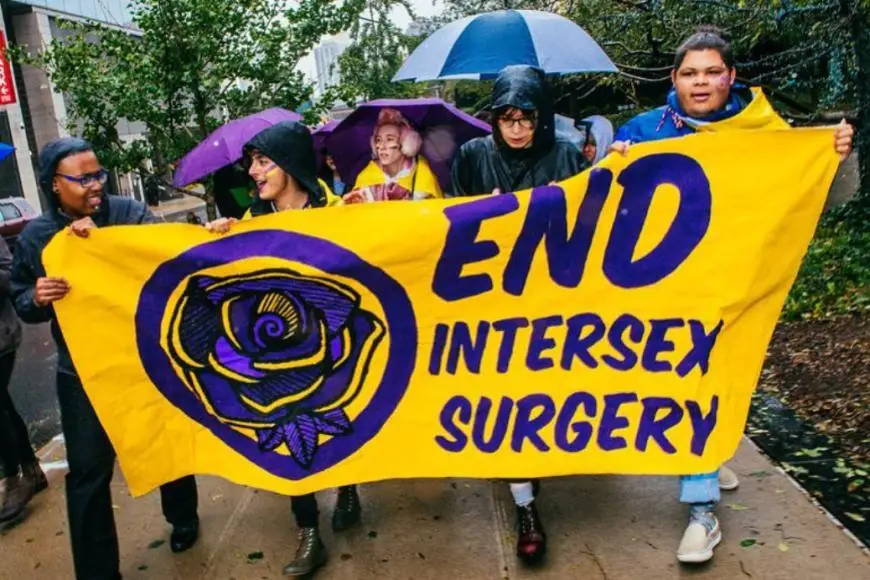
(New York) – The wave of anti-transgender legislative proposals across the United States in recent years also threatens to undermine the fundamental rights of intersex children, Human Rights Watch, interACT: Advocates for Intersex Youth and the SOGIESC Human Rights Initiative of The University of North Carolina Human Rights Law Program said today.
On Intersex Awareness Day, celebrated annually on October 26, the groups presented an interactive map that highlights how lawmakers across the United States have included clauses in their bills that allow or encourage human rights violations against children born with intersex variations. Dozens of bills with intersex exceptions have been proposed, and so far three have passed into state law.
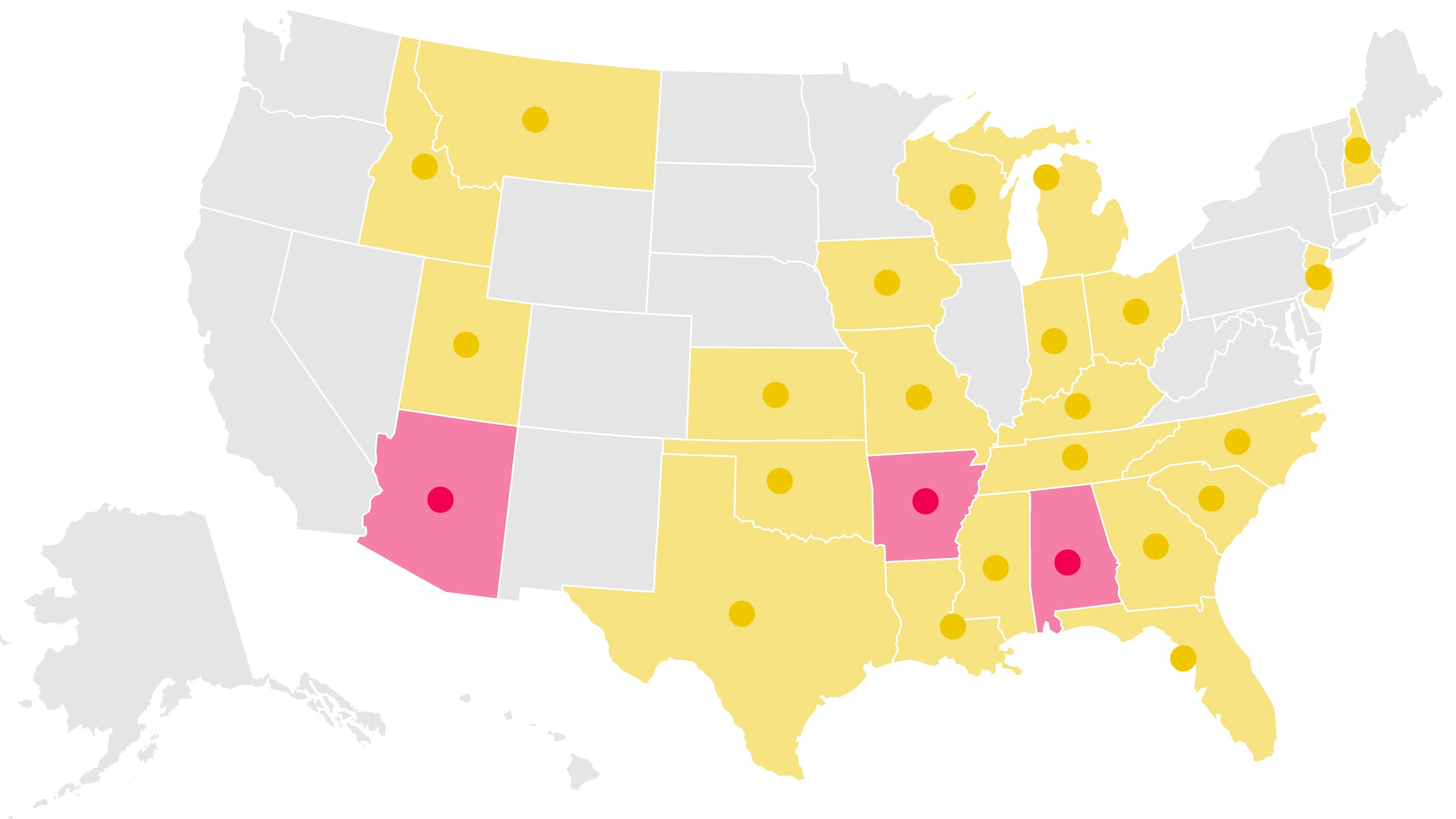
“In the United States, state legislation that targets transgender youth also harms intersex youth,” said Erika Lorshbough, executive director of interACT. “When lawmakers propose and pass explicit exceptions for surgeons to operate on intersex bodies before the patients themselves can consent, it is clear that these bills are intended to erase bodily diversity, not protect who whether it be.”
“Intersex” refers to the estimated 1.7% of the population with innate body traits that do not fit conventional expectations of female or male bodies. Also known as variations in sex characteristics, intersex traits cause a person’s chromosomes, gonads or other internal reproductive organs, genitalia, and/or hormonal function to differ from characteristics that are “typically” male or female.
Children with intersex variations are often subjected to “normalizing” surgeries that are irreversible, risky, and medically unnecessary. These surgeries are performed without the consent of the patient, most often taking place in infancy or early childhood. Surgeries include procedures to reduce the size of the clitoris, create or enlarge a vaginal opening, redirect a functional urethra, or remove the gonads. These surgeries are justified by policymakers on the grounds that they will reduce stigma and prevent gender dysphoria, but they often have the opposite effects, and also carry risks of scarring, loss of sensation, lifelong sexual dysfunction, urinary incontinence, psychological trauma, and permanent sterilization.
These operations were considered human rights violations by the Office of the United Nations High Commissioner for Human Rights, the World Health Organization and other authorities, but there was only modest efforts in the United States to regulate these operations. Recent legislative proposals that primarily target transgender youth often include provisions that expressly authorize and sometimes encourage medically unnecessary surgeries on intersex youth.
In recent years, state governments across the United States have waged attacks on the human rights of transgender children and their families. Dozens of bills targeting transgender youth have been introduced in state legislatures. One form of these discriminatory bills seeks to prohibit or restrict access to gender-affirming care for transgender youth. Some bills define gender-affirming care as unprofessional conduct, potentially affecting the licenses of physicians providing such care, and others provide criminal penalties for physicians as well as parents who assist their children in obtaining the care they need.
Many of these bills include an explicit exception for procedures performed on intersex children, generally described in these pieces of legislation as “children with medically verifiable disorder of sex development” or “DSD,” which is a medicalized term for intersex variations widely seen as pejorative. These provisions are intended to ensure that physicians who perform genital and other surgeries on infants and young children with intersex traits are immune from civil or professional liability and penalties. These clauses are found in the same laws that attempt to punish performing the same procedures on older transgender youth who actively seek such care.
“This map shows the mapping of legal attacks on intersex rights embedded in anti-trans legislation across the United States,” said Holning Lau, Willie Person Mangum Distinguished Law Professor at the University of North Carolina-Chapel Hill. “The rights of intersex children to health, physical integrity and human dignity are all threatened by this legislation.
Intersex advocacy groups, as well as a range of medical and human rights organizations, have spoken out in favor of intersex children. There is a growing consensus that these medically unnecessary non-consensual intersex surgeries should stop, and some countries have banned them. Nevertheless, some parents in the United States continue to be pressured by surgeons to choose these operations when their children are too young to participate in the decision.
“Packaging the impermissible assault on transgender children’s access to health care with provisions allowing medically unnecessary surgeries on intersex children is only two human rights violations for the price of one,” Kyle said. Knight, senior health and lesbian, gay, bisexual, and transgender rights researcher at Human Rights Watch. “Transgender and intersex children are harmed when politicians use children’s bodies to promote regressive ideas about gender and sexuality rather than to protect everyone’s basic rights to bodily autonomy.”
[ad_2]