













How an MSU neuroscience professor is redefining Alzheimer’s Disease research in Latinx Communities

[ad_1]

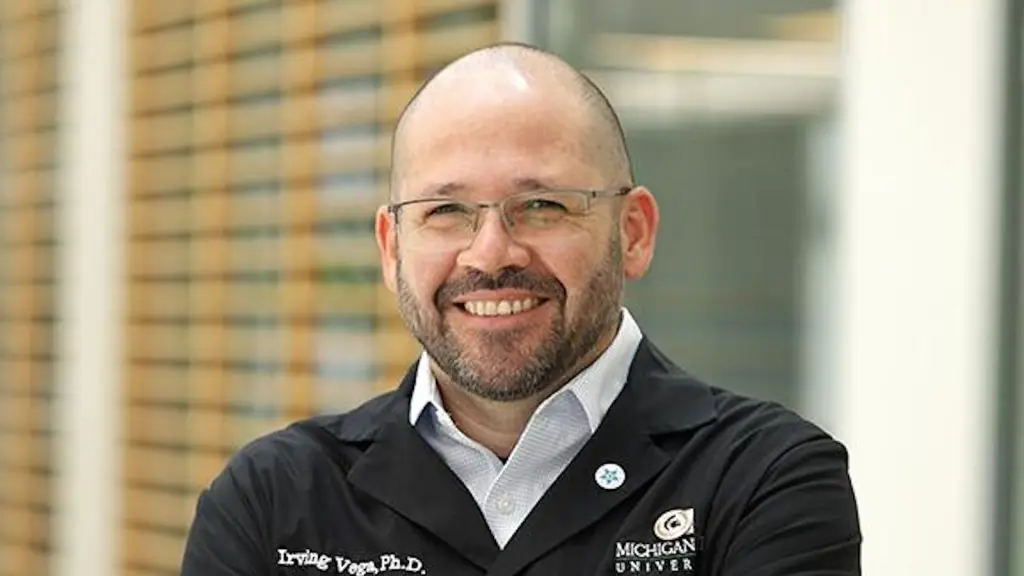
Agitation, confusion and memory loss are symptoms often associated with old age. However, according to Michigan State University translational neuroscience Associate Professor Irving Vega, those cognitive and behavioral changes aren’t just regular indicators of aging; they’re often red flags for Alzheimer’s disease.

Alzheimer’s disease is a brain disorder– caused by atrophy, or shrinking, of the brain- that slowly destroys memory, thinking skills and cognitive functions. While the underlying cause remains unknown, many researchers hypothesize that it can stem from genetics, protein build-up on brain cells and lifestyle changes.

Vega’s research lab looks into many aspects of the disease, but the neurological aspects of Alzheimer’s are only one part of his work. A big component of his research is understanding Alzheimer’s in the Latino community, as studies show they tend to have a 50% increased chance of developing the disease than white people.

Vega said there are both social and biological factors that contribute to the higher risk of Alzheimer’s in the Latino population.

“Access to healthcare is a big issue,” Vega said. “How you get access to preventing chronic diseases and how effective you are to deal with those chronic diseases will impact your risk later in life.”

A report by the Alzheimer’s Association shows that non-whites are at a higher risk of discrimination when trying to access healthcare, a fact that Vega said adds to the risk of members of Latino and Black communities trying to access healthcare.

Vega also pointed to a lack of representation among physicians and researchers, something that’s important for communities to feel comfortable and not judged when seeking treatment.

Through his work, Vega said, he seeks to bridge the gap between researchers and communities. He said his research is more than asking questions and finding the answers.

“It’s most important to ask what questions are important to the community that we can try to answer through research,” Vega said.

Vega said this is where his work differs from that of other researchers because many in the research community will claim they were unable to find Latino or Black researchers.

However, Vega said they exist. He said they tend to be concentrated in areas outside the Midwest because of discrimination and a lack of inclusionary efforts in academic institutions located in the Central and Midwest United States, which leads to disconnect.

To combat this, Vega seeks to develop partnerships with community organizations in Michigan, inviting them to be included in the research. He has also worked to raise awareness and debunk many of the myths and misconceptions surrounding Alzheimer’s.

Vega said a big misconception is the idea that Alzheimer’s is strictly due to old age. Making this mistake often results in patients receiving treatment way later than they should be, he said.

“What you have when you’re 65 or older is the clinical presentation of a pathological process that has started more than 20 years before the clinical presentation,” Vega said.

Vega noted there are a number of ways for younger people to reduce the risk of developing Alzheimer’s later in life. He pointed to exercise and a healthy diet and stressed the importance of sleep.

“We are a society that is sleep-deprived because of the hectic environment that we are in,” Vega said.

A lack of exercise only perpetuates that issue because people aren’t relieving stress, he said.

“It’s that vicious cycle that we need to get out of,” Vega said. “But it’s more simple to say it than do it.”

Support student media!
Please consider donating to The State News and help fund the future of journalism.

Discussion

Share and discuss “How an MSU neuroscience professor is redefining Alzheimer’s Disease research in Latinx Communities” on social media.

[ad_2]

Source link

Trending Topics

Features

Download and distribute powerful vaccination QI resources for your community.

Sign up now to support health equity and sustainable health outcomes in your community.

MCED tests use a simple blood draw to screen for many kinds of cancer at once.

FYHN is a bridge connecting health information providers to BIPOC communities in a trusted environment.

Discover an honest look at our Medicare system.

ARC was launched to create a network of community clinicians to diversify and bring clinical trials to communities of color and other communities that have been underrepresented.

The single most important purpose of our healthcare system is to reduce patient risk for an acute event.

Related Posts
Early Cancer Detection Is Entering a New Era. Flint Is Helping Lead the Way.
Why Your “Ozempic” May Not Be Ozempic: FDA Warnings Highlight Growing Risks of Unregulated GLP-1 Drugs
The Communities Most Burdened by Disease Should Be the First to Benefit from Artificial Intelligence
Scroll to Top
Featured Articles
Early Cancer Detection Is Entering a New Era. Flint Is Helping Lead the Way.
Why Your “Ozempic” May Not Be Ozempic: FDA Warnings Highlight Growing Risks of Unregulated GLP-1 Drugs
Why Your “Ozempic” May Not Be Ozempic: FDA Warnings Highlight Growing Risks o...
The Communities Most Burdened by Disease Should Be the First to Benefit from Artificial Intelligence
The Communities Most Burdened by Disease Should Be the First to Benefit from ...
Cancer Pain Care Access Gap Hits Black, Asian Patients
Black and Asian Cancer Patients Wait Longer for Pain Relief in New Study
What Is Cyclosporiasis Symptoms, Food Safety, and Reasons
What Is Cyclosporiasis? The Foodborne Illness Showing Up in the News
Why Minority Mental Health Awareness Month Matters More Than Ever
Categories
AI
ATTR-CM
BIPOC News
Cancer
Clinical Trials
Covid19
Diseases of the Body
Environment
Health Data
Health Equity Events
Health Policy
Health Tips
Subscribe to our newsletter to receive our latest news​
All Stories
Early Cancer Detection Is Entering a New Era. Flint Is Helping Lead the Way.
Why Your “Ozempic” May Not Be Ozempic: FDA Warnings Highlight Growing Risks of Unregulated GLP-1 Drugs
Why Your “Ozempic” May Not Be Ozempic: FDA Warnings Highlight Growing Risks o...
The Communities Most Burdened by Disease Should Be the First to Benefit from Artificial Intelligence
The Communities Most Burdened by Disease Should Be the First to Benefit from ...
BIPOC News
Early Cancer Detection Is Entering a New Era. Flint Is Helping Lead the Way.
The Communities Most Burdened by Disease Should Be the First to Benefit from Artificial Intelligence
The Communities Most Burdened by Disease Should Be the First to Benefit from ...
Why Minority Mental Health Awareness Month Matters More Than Ever
Environment
UV Safety Awareness Month Raises Urgency on Skin Cancer Prevention and Sun Protection Equity
UV Safety Awareness Month Raises Urgency on Skin Cancer Prevention and Sun Pr...
Extreme Heat Safety Tips 5 Ways to Protect Your Health This Summer fyh.news
5 Heat Safety Tips That Could Protect Your Health This Summer
Lupus Awareness Event in Baltimore Aims to Support Research and Shine a Light on Health Disparities
Lupus Awareness Event in Baltimore Aims to Support Research and Shine a Light...
Work Force
A multigenerational Black and Hispanic family sitting together in a park, showing how Social Security helps support older adults, people with disabilities, and families across generations.
Millions of Older Americans Could Face Smaller Social Security Checks by 2032...
dreamstime_s_243253251
The Caregiver Journey: The Hidden Backbone of American Healthcare
Families gather at a Bronx community festival with live music, kids’ activities, and health booths sharing SOMOS social care resources and free screenings.
Celebrating Hispanic heritage while learning about health care

[xyz-ips snippet=”Output-Source-Name”]

Clinical Trials
Early Cancer Detection Is Entering a New Era. Flint Is Helping Lead the Way.
Why Your “Ozempic” May Not Be Ozempic: FDA Warnings Highlight Growing Risks of Unregulated GLP-1 Drugs
Why Your “Ozempic” May Not Be Ozempic: FDA Warnings Highlight Growing Risks o...
Clinical Trial Diversity Remains a Critical Challenge in Alzheimer’s Research
Vaccines and Outbreaks
A parent checking a child's temperature during summer, illustrating the changing RSV patterns and year-round respiratory virus risks.
Can You Get RSV During the Summer?
Michelle Lam, MBA, of NYC Health + Hospitals/Elmhurst & Amy Harris of NYC Health + Hospitals/Elmhurst
Healthcare Leaders Spotlight Vaccine Equity and Adult Immunization Strategies...
Measles Outbreaks Surge: Essential Facts and Prevention Strategies
Other Categories
AI
Read the latest AI News stories trending around the world
ATTR-CM
Cancer
Read the latest Cancer stories trending around the world
Covid19
Diseases of the Body
Read about the latest Diseases of the Body trending around the world
Friday Webinars
Every Friday, we bring you insightful webinars covering critical topics in healthcare, data equity, and policy reform.
Health Data
Read the latest Health Data stories trending around the world
Health Equity Events
Read the best Health Equity Events around the country.
Health Policy
Read the latest Health Policy stories trending around the world
Health Tips
Heart Health
Read the latest on Heart Health News, Stories and Tips.
kidney Health
Read more trending News about Kidney Health, Stories and Tips.