










- By Victor Mejia
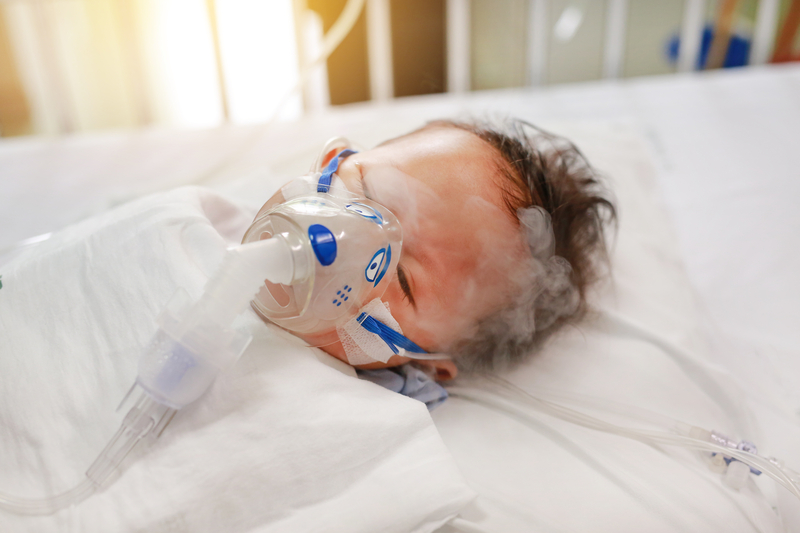
This fall brought something rare in public health: good news about respiratory syncytial virus, better known as RSV, the leading cause of infant hospitalizations in the United States. After decades of treating RSV as an inevitable threat, the country finally has the tools to prevent it—and they are working. For the first full season since the approval of two new RSV preventives—a maternal vaccine and a long-acting antibody called nirsevimab—real-world data show a dramatic decline in RSV-related hospitalizations among infants.
According to studies presented at IDWeek 2025 in Atlanta, hospitalizations among babies under two months old have fallen by 56 percent, and by 31 percent among infants three to five months old. Across seven major hospitals participating in the CDC’s New Vaccine Surveillance Network, RSV-related hospitalizations for infants under six months dropped between 39 percent and 77 percent compared with pre-vaccine years. For once, the math points to progress—and to the power of prevention.
The maternal RSV vaccine, given during pregnancy, was designed to protect newborns before they take their first breath. Clinical trials found it 68 percent effective in preventing hospitalizations in the first three months after birth and 57 percent effective by six months. Nirsevimab, an antibody given directly to infants, proved 83 percent effective in preventing hospitalizations. In other words, the medical community finally has what generations of pediatricians wished for. But there is a catch—and it is one that families of color know all too well.
A vaccine can’t save lives if it never reaches the people who need it most. Early reports suggest that maternal RSV vaccine uptake remains below 30 percent nationally, and access to nirsevimab varies sharply by state and insurance coverage. Pediatricians in private networks have stocked the antibody since last fall, but in community clinics serving Medicaid populations, doses often arrive in limited batches—or not at all. For families who cannot afford to miss work hours or face out-of-pocket costs, availability is not the same as access.
Long before vaccines and monoclonal antibodies, RSV exposed the racial and economic fault lines in the American health system. According to CDC data, Black and Native American infants experience roughly twice the rate of RSV hospitalizations as white infants. Latino babies also face higher risks, often tied to crowded housing, parental employment in high-exposure settings, and limited access to prenatal care. Those same structural inequities—poverty, transportation barriers, and fragmented healthcare—are now shaping who benefits from these scientific breakthroughs. The science worked; the system, so far, has not.
The NVSN data tell a revealing story: reductions in infant hospitalizations ranged from 39 percent to 77 percent depending on the hospital site. That variation is not random—it mirrors the nation’s geography of inequity. Where vaccination rates are high, hospitalizations have plummeted. Where access is uneven, the decline has been slower. This pattern echoes throughout the healthcare landscape. Suburban families with commercial insurance often hear about the new maternal vaccine during routine OB visits. In low-income neighborhoods, where prenatal appointments are less frequent and clinics are stretched thin, the conversation about RSV prevention rarely happens at all.
“The biggest takeaway,” said Dr. Paul Spearman of Cincinnati Children’s Hospital, “is that both the maternal vaccine and the monoclonal antibody are effective in the real world.” But effectiveness on paper is not the same as equity in practice. The question now isn’t whether these tools work—it’s who gets to benefit from them. When new vaccines debut, communities of color are often last in line, not because of hesitancy but because of structural barriers such as patchy insurance coverage, mistrust born of historical neglect, and under-resourced healthcare systems. Unless those barriers are addressed, these promising numbers will harden into another familiar pattern—a success story told in averages that hides the communities left behind.
The lesson from this RSV season is clear: prevention works, but equity does not happen by accident. Public health agencies and healthcare systems must integrate RSV prevention into routine prenatal care, especially within Medicaid and community health programs. They must fund outreach through trusted networks—churches, WIC centers, doulas, and Black maternal health groups—to close the awareness gap. Tracking vaccination data by race and income can help identify who is still unprotected. Finally, ensuring cost-free access to nirsevimab for all infants, regardless of insurance type, is essential to achieving equity.
A 56 percent drop in hospitalizations among the youngest infants is extraordinary. But until those gains reach every neighborhood—and every mother, regardless of race or income, has a fair chance to protect her baby—this success remains unfinished. The fight against RSV has entered a new chapter. Whether health equity will be written into the next one is up to us.
Trending Topics
Features
- Drive Toolkit
Download and distribute powerful vaccination QI resources for your community.
- Health Champions
Sign up now to support health equity and sustainable health outcomes in your community.
- Cancer Early Detection
MCED tests use a simple blood draw to screen for many kinds of cancer at once.
- PR
FYHN is a bridge connecting health information providers to BIPOC communities in a trusted environment.
- Medicare
Discover an honest look at our Medicare system.
- Alliance for Representative Clinical Trials
ARC was launched to create a network of community clinicians to diversify and bring clinical trials to communities of color and other communities that have been underrepresented.
- Reducing Patient Risk
The single most important purpose of our healthcare system is to reduce patient risk for an acute event.
- Jessica Wilson
- Subash Kafle