














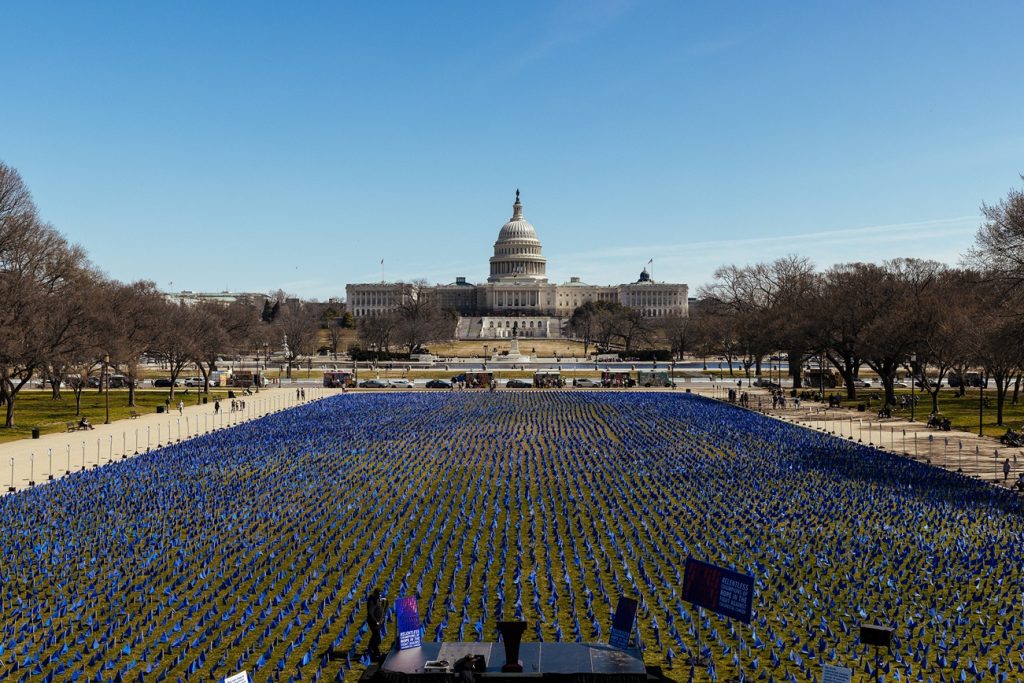
Over 27,000 blue flags now cover the National Mall in Washington, D.C.. This massive visual display marks a growing health emergency across the United States. Fight Colorectal Cancer launched its fifth annual United in Blue installation this Sunday. The organization aims to highlight the rising number of young people facing this disease. Each flag represents one person under the age of 50. Experts project these individuals will receive a cancer diagnosis by the year 2030. Recent data from the American Cancer Society indicates a troubling shift. Colorectal cancer is now the leading cause of cancer death for young Americans. This disease was the only one among the top five deadliest cancers to see mortality rise in 2025. Anjee Davis serves as the CEO of Fight CRC. She stated the annual installation is a powerful visual reminder of a massive national crisis. Davis emphasized that the current situation requires bold and immediate solutions.

Confronting a National Health Emergency
The disease burden does not fall equally across all populations. Information from trusted health sources outside of these documents shows Black Americans face a higher risk of developing this cancer. They are about 20% more likely to get the disease than other groups. They are also about 40% more likely to die from it. These disparities underscore the importance of the specific partners involved in the project. The Association of Black Gastroenterologists and Hepatologists is a key collaborator. The National Alliance for Hispanic Health and the Blue Hat Foundation also support the effort. The National Minority Quality Forum works to address these critical health gaps. These organizations aim to improve health equity and access to early screening.
Fight CRC is also expanding its reach beyond the nation’s capital. The group provides local flag kits to various communities across America. This allows local advocates to raise awareness in their own home neighborhoods. Supporters are placing flags at schools, parks, workplaces, and local medical clinics. The installation involves a coalition of more than 30 partner organizations. Over 400 volunteers worked together to place every blue flag by hand. The list of partners includes the American Cancer Society, the American College of Gastroenterology and the National Minority Quality Forum. Groups like the GI Cancers Alliance and the Prevent Cancer Foundation are also participating. Medical associations such as the American Gastroenterological Association and the American Society of Colon and Rectal Surgeons provide further support.
Several major healthcare and pharmaceutical companies sponsor the visual display. These sponsors include Pfizer, Merck, Johnson and Johnson, and GSK. Other contributors such as Amgen, Bristol Myers Squibb, and Exact Sciences are involved. This collective action provides resources for patients and families. Organizations like the Cancer Support Community and the Raymond Foundation also help navigate the challenges of a diagnosis. Advocacy efforts will continue throughout the month of March for cancer awareness. The United in Blue display remains a call for more research and early screening. Increased awareness is a vital step toward reducing mortality rates for all Americans.
The United in Blue installation will remain on the National Mall through March 14. This display serves as a solemn reminder of the lives affected by this trend. It also acts as a catalyst for legislative and medical change. As colorectal cancer rates continue to climb among younger adults, the push for accessible screening becomes more urgent. The collaboration between national leaders and local communities remains essential to ending this crisis.
Stay Informed. Stay Empowered.



