











Purple Day for Epilepsy 2026 Highlights Health Disparities in Communities of Color

On March 26, individuals and organizations around the world observe Purple Day for Epilepsy, raising awareness of a condition that affects approximately 3.4 million people in the United States alone, according to the Centers for Disease Control and Prevention (CDC) CDC Epilepsy Fact Sheet. This day is not only an opportunity to educate the public about epilepsy but also to address the disparities that exist in care and understanding, particularly within communities of color. The impact of epilepsy extends beyond the individual, affecting families and entire neighborhoods, yet awareness and resources often fall short in these communities.

Epilepsy, characterized by recurrent seizures, is a neurological disorder that can significantly affect many aspects of daily life. While it can affect anyone, research indicates that certain communities of color face unique challenges in accessing care and support. A 2020 study published in the journal “Neurology” highlighted that Black and Hispanic individuals are less likely to receive timely diagnoses and adequate treatment compared to their white counterparts Neurology Study. The study emphasized that systemic barriers, such as socioeconomic status, lack of access to quality healthcare, and cultural stigma surrounding neurological disorders contribute to these disparities.

The stigma surrounding epilepsy is particularly pronounced in communities of color, where cultural beliefs about health and illness can complicate perceptions of neurological disorders. In many cases, epilepsy may be viewed through a lens of superstition or shame, leading individuals and families to avoid seeking medical help. According to a report from the Epilepsy Foundation, these cultural barriers can deter individuals from receiving appropriate treatment, which can exacerbate health disparities Epilepsy Foundation Report.

The lack of awareness and resources also extends to educational institutions. Children with epilepsy often face bullying or discrimination, leading to a negative impact on their educational experiences. According to the CDC, one in ten children with epilepsy between the ages of 6 and 17 reported being bullied because of their condition CDC Bullying and Epilepsy. This bullying can be particularly harsh in communities where epilepsy is not well understood, often leading to isolation and further stigma.

To combat these challenges, community organizations and health advocates are working to increase awareness about epilepsy and improve access to care in communities of color. Initiatives such as free educational workshops, community health fairs, and outreach programs are helping to bridge the gap in knowledge and resources. These programs aim to educate families about epilepsy, dispel myths, and provide information on available treatments.

In 2023, the Epilepsy Foundation launched a campaign specifically targeting communities of color, which includes resources in multiple languages and culturally relevant materials Epilepsy Foundation Campaign. The campaign seeks to foster understanding and encourage individuals to seek medical advice. “It’s vital that we tailor our outreach to meet the cultural and linguistic needs of these communities,” says Dr. Roneet Lev, the chief medical officer of the Epilepsy Foundation. “By providing accessible information, we hope to empower families to take charge of their health.”

Additionally, increasing representation in healthcare professions is essential for fostering trust within communities of color. Research indicates that patients are more likely to seek care and adhere to treatment plans when they feel understood by their healthcare providers. Programs aimed at increasing the number of Black and Hispanic healthcare professionals, particularly in neurology, can play a significant role in addressing these disparities.

Furthermore, public awareness campaigns, such as those on Purple Day, are crucial in normalizing conversations about epilepsy. Social media platforms and community events can serve as powerful tools for sharing personal stories and educational resources. By highlighting the experiences of individuals with epilepsy, advocates can foster empathy and understanding, which is essential for dismantling stigma.

As we recognize Purple Day for Epilepsy, it is imperative to focus on health equity and the unique challenges faced by communities of color. The disparities in care and awareness represent a significant public health concern that warrants immediate attention. By prioritizing education, community engagement, and increased representation in healthcare, we can work towards a future where all individuals with epilepsy receive the care and support they need, irrespective of their background or circumstances. The fight for epilepsy awareness is not just about understanding seizures; it is about creating a more equitable healthcare system for everyone.

Stay Informed. Stay Empowered.
Trending Topics

Features

Download and distribute powerful vaccination QI resources for your community.

Sign up now to support health equity and sustainable health outcomes in your community.

MCED tests use a simple blood draw to screen for many kinds of cancer at once.

FYHN is a bridge connecting health information providers to BIPOC communities in a trusted environment.

Discover an honest look at our Medicare system.

ARC was launched to create a network of community clinicians to diversify and bring clinical trials to communities of color and other communities that have been underrepresented.

The single most important purpose of our healthcare system is to reduce patient risk for an acute event.

Related Posts
Why Your โ€œOzempicโ€ May Not Be Ozempic: FDA Warnings Highlight Growing Risks of Unregulated GLP-1 Drugs
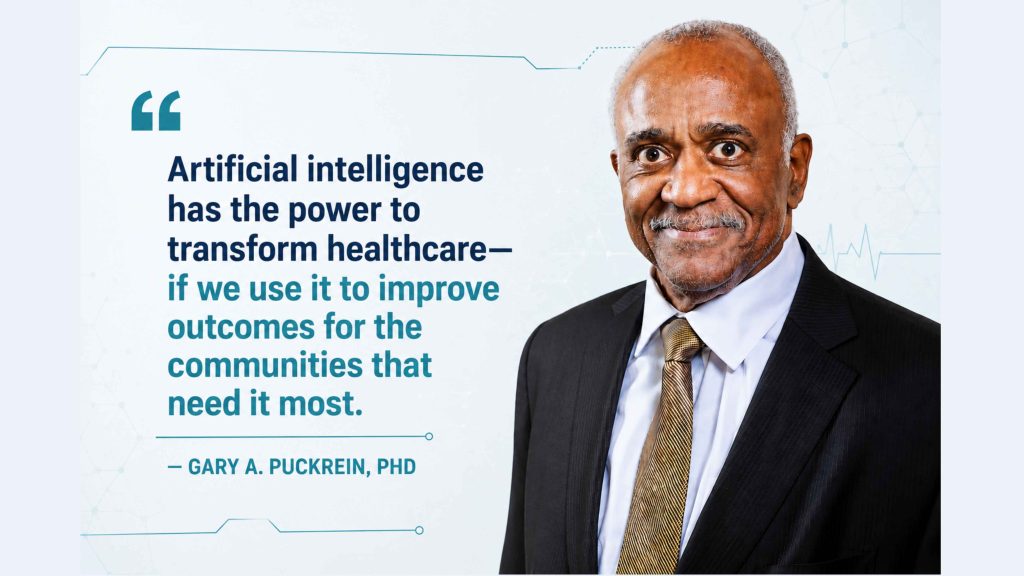
The Communities Most Burdened by Disease Should Be the First to Benefit from Artificial Intelligence
Black and Asian Cancer Patients Wait Longer for Pain Relief in New Study
Scroll to Top
Featured Articles
Why Your โ€œOzempicโ€ May Not Be Ozempic: FDA Warnings Highlight Growing Risks of Unregulated GLP-1 Drugs
Why Your โ€œOzempicโ€ May Not Be Ozempic: FDA Warnings Highlight Growing Risks o...
The Communities Most Burdened by Disease Should Be the First to Benefit from Artificial Intelligence
The Communities Most Burdened by Disease Should Be the First to Benefit from ...
Cancer Pain Care Access Gap Hits Black, Asian Patients
Black and Asian Cancer Patients Wait Longer for Pain Relief in New Study
What Is Cyclosporiasis Symptoms, Food Safety, and Reasons
What Is Cyclosporiasis? The Foodborne Illness Showing Up in the News
Why Minority Mental Health Awareness Month Matters More Than Ever
From Childhood Cancer to Alzheimerโ€™s and ALS Celebrity Health Stories Spark National Conversation on Disease, Caregiving, and Equity
From Childhood Cancer to Alzheimerโ€™s and ALS Celebrity Health Stories Spark N...
Categories
AI
ATTR-CM
BIPOC News
Cancer
Clinical Trials
Covid19
Diseases of the Body
Environment
Health Data
Health Equity Events
Health Policy
Health Tips
Subscribe to our newsletter to receive our latest newsโ€‹
All Stories
Why Your โ€œOzempicโ€ May Not Be Ozempic: FDA Warnings Highlight Growing Risks of Unregulated GLP-1 Drugs
Why Your โ€œOzempicโ€ May Not Be Ozempic: FDA Warnings Highlight Growing Risks o...
The Communities Most Burdened by Disease Should Be the First to Benefit from Artificial Intelligence
The Communities Most Burdened by Disease Should Be the First to Benefit from ...
Cancer Pain Care Access Gap Hits Black, Asian Patients
Black and Asian Cancer Patients Wait Longer for Pain Relief in New Study
BIPOC News
The Communities Most Burdened by Disease Should Be the First to Benefit from Artificial Intelligence
The Communities Most Burdened by Disease Should Be the First to Benefit from ...
Why Minority Mental Health Awareness Month Matters More Than Ever
From Childhood Cancer to Alzheimerโ€™s and ALS Celebrity Health Stories Spark National Conversation on Disease, Caregiving, and Equity
From Childhood Cancer to Alzheimerโ€™s and ALS Celebrity Health Stories Spark N...
Environment
UV Safety Awareness Month Raises Urgency on Skin Cancer Prevention and Sun Protection Equity
UV Safety Awareness Month Raises Urgency on Skin Cancer Prevention and Sun Pr...
Extreme Heat Safety Tips 5 Ways to Protect Your Health This Summer fyh.news
5 Heat Safety Tips That Could Protect Your Health This Summer
Lupus Awareness Event in Baltimore Aims to Support Research and Shine a Light on Health Disparities
Lupus Awareness Event in Baltimore Aims to Support Research and Shine a Light...
Work Force
A multigenerational Black and Hispanic family sitting together in a park, showing how Social Security helps support older adults, people with disabilities, and families across generations.
Millions of Older Americans Could Face Smaller Social Security Checks by 2032...
dreamstime_s_243253251
The Caregiver Journey: The Hidden Backbone of American Healthcare
Families gather at a Bronx community festival with live music, kidsโ€™ activities, and health booths sharing SOMOS social care resources and free screenings.
Celebrating Hispanic heritage while learning about health care

[xyz-ips snippet=”Output-Source-Name”]

Clinical Trials
Why Your โ€œOzempicโ€ May Not Be Ozempic: FDA Warnings Highlight Growing Risks of Unregulated GLP-1 Drugs
Why Your โ€œOzempicโ€ May Not Be Ozempic: FDA Warnings Highlight Growing Risks o...
Clinical Trial Diversity Remains a Critical Challenge in Alzheimerโ€™s Research
Healthcare professional collecting a blood sample from a diverse patient as part of multicancer early detection screening.
Bridging the Gap: How Multicancer Early Detection Can Advance Health Equity i...
Vaccines and Outbreaks
A parent checking a child's temperature during summer, illustrating the changing RSV patterns and year-round respiratory virus risks.
Can You Get RSV During the Summer?
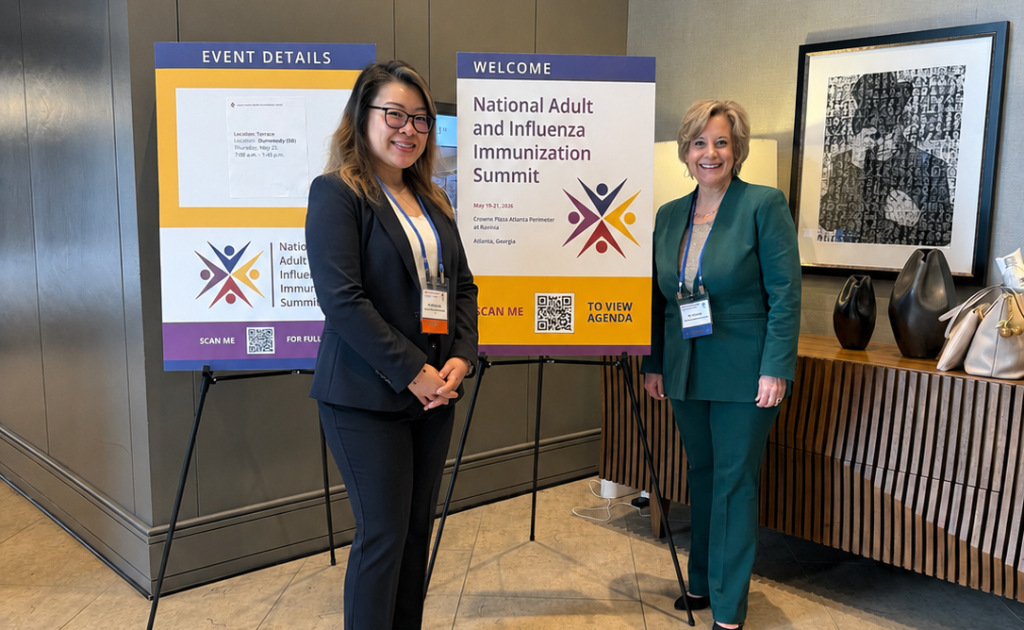
Michelle Lam, MBA, of NYC Health + Hospitals/Elmhurst & Amy Harris of NYC Health + Hospitals/Elmhurst
Healthcare Leaders Spotlight Vaccine Equity and Adult Immunization Strategies...
Measles Outbreaks Surge: Essential Facts and Prevention Strategies
Other Categories
AI
Read the latest AI News stories trending around the world
ATTR-CM
Cancer
Read the latest Cancer stories trending around the world
Covid19
Diseases of the Body
Read about the latest Diseases of the Body trending around the world
Friday Webinars
Every Friday, we bring you insightful webinars covering critical topics in healthcare, data equity, and policy reform.
Health Data
Read the latest Health Data stories trending around the world
Health Equity Events
Read the best Health Equity Events around the country.
Health Policy
Read the latest Health Policy stories trending around the world
Health Tips
Heart Health
Read the latest on Heart Health News, Stories and Tips.
kidney Health
Read more trending News about Kidney Health, Stories and Tips.