












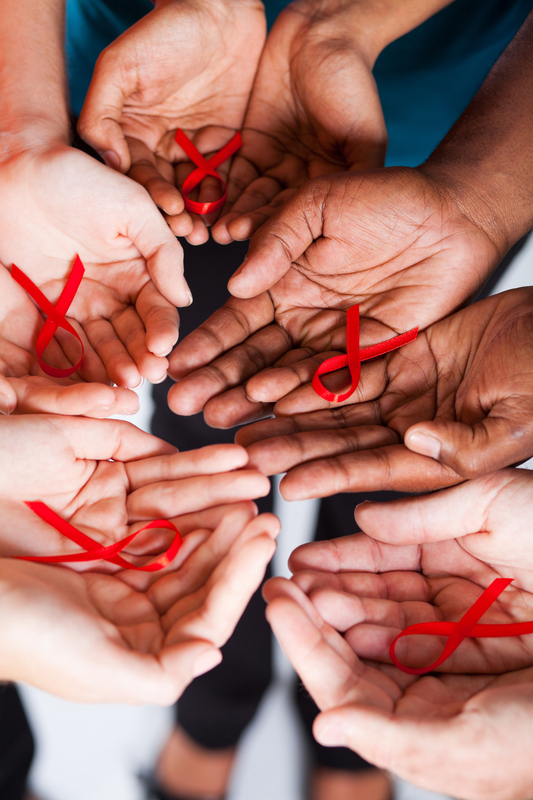
National HIV Testing Day arrives this week at a pivotal moment in the fight against HIV in the United States, as public health advocates warn that Black and Latino communities continue to face disproportionate rates of infection, barriers to care, and uneven access to prevention tools like PrEP and clinical research opportunities.
Observed annually on June 27, National HIV Testing Day encourages Americans to know their HIV status and seek prevention or treatment services early. Health officials say the campaign remains especially urgent for communities of color, which continue to bear the heaviest burden of the epidemic decades after HIV first emerged. According to the Centers for Disease Control and Prevention, Black Americans accounted for 38 percent of new HIV diagnoses in 2023 despite making up roughly 12 percent of the U.S. population. In the South, where many Black communities face longstanding healthcare disparities, Black Americans represented more than half of new HIV diagnoses in some areas. Hispanic and Latino populations also continue to experience elevated rates of HIV diagnoses compared to white Americans.
Public health experts say those disparities are driven by more than individual behavior. Poverty, limited healthcare access, stigma, unstable housing, medical mistrust, and lack of insurance all contribute to unequal outcomes. “The social and structural factors surrounding HIV are impossible to ignore,” the CDC noted in its recent report on social determinants of health and HIV outcomes, which found Black Americans continue to experience some of the nation’s highest HIV diagnosis rates and lower rates of viral suppression compared to other groups.
National HIV Testing Day comes as advocates continue pushing for expanded access to pre-exposure prophylaxis, commonly known as PrEP, a medication regimen that can reduce the risk of contracting HIV through sex by about 99 percent when taken as prescribed. Yet despite its effectiveness, PrEP usage remains significantly lower among Black Americans than white Americans. Data highlighted by AIDSVu found Black Americans represented 38 percent of new HIV diagnoses in 2022 but accounted for only 14 percent of PrEP users nationwide. Researchers say the gap reflects ongoing inequities in healthcare access, awareness campaigns, provider outreach, and affordability. For many advocates, increasing HIV testing and PrEP education in Black and brown communities has become inseparable from broader conversations about healthcare equity.
“We can’t end the HIV epidemic without addressing the communities most impacted,” said leaders from HIV.gov in recent National HIV Testing Day messaging encouraging routine testing and prevention services. Federal officials estimate about one in eight people living with HIV in the United States do not know their status, a factor that can delay treatment and increase transmission.
Healthcare providers are also increasingly emphasizing routine testing as a standard part of primary care rather than something reserved only for high-risk groups. Community organizations across the country are hosting free testing events this week in churches, barbershops, pharmacies, community centers, and Pride events aimed at reducing stigma and increasing awareness. In recent years, pharmacies and local clinics have expanded partnerships focused on testing and prevention outreach in historically underserved neighborhoods. National campaigns led by organizations like Greater Than HIV and Walgreens have helped connect thousands of people to rapid HIV testing, PrEP referrals, and treatment resources. At the same time, researchers say communities of color remain underrepresented in HIV clinical trials despite being among the populations most affected by the disease. Advocates argue that increasing participation in clinical research is critical as scientists continue developing long-acting HIV prevention medications, injectable PrEP options, and potential vaccines.
New HIV prevention advances have generated cautious optimism in recent years, including longer-lasting injectable forms of PrEP that may help people who struggle with taking daily medication. Researchers say those options could become particularly important in communities where inconsistent healthcare access creates barriers to daily treatment adherence. Still, concerns remain about whether new prevention tools will reach the populations most in need. Recent discussions among HIV advocates have focused on federal funding uncertainty and the sustainability of community-based prevention programs, particularly in Black and Latino neighborhoods already facing healthcare shortages.
For advocates marking National HIV Testing Day, the message this year is not only about testing, but about expanding access to the full spectrum of HIV prevention and care. That includes culturally competent healthcare, affordable PrEP, early treatment, mental health support, and stronger representation in medical research. Public health officials continue to stress that HIV is no longer considered a death sentence for people with access to treatment. With early diagnosis and consistent care, many people living with HIV can achieve viral suppression, meaning the virus becomes undetectable and cannot be sexually transmitted to others.
But experts say reaching that reality for everyone will require sustained investment in communities that have historically been left behind.
As National HIV Testing Day events take place across the country tomorrow, health leaders hope the observance serves as both a reminder and a call to action: knowing one’s HIV status remains one of the most powerful tools in preventing the spread of HIV and closing persistent racial health disparities that continue to shape the epidemic in America.
Stay Informed. Stay Empowered.
Trending Topics

Features
- Drive Toolkit
Download and distribute powerful vaccination QI resources for your community.
- Health Champions
Sign up now to support health equity and sustainable health outcomes in your community.
- Cancer Early Detection
MCED tests use a simple blood draw to screen for many kinds of cancer at once.
- PR
FYHN is a bridge connecting health information providers to BIPOC communities in a trusted environment.
- Medicare
Discover an honest look at our Medicare system.
- Alliance for Representative Clinical Trials
ARC was launched to create a network of community clinicians to diversify and bring clinical trials to communities of color and other communities that have been underrepresented.
- Reducing Patient Risk
The single most important purpose of our healthcare system is to reduce patient risk for an acute event.
- Jessica Wilson
- Subash Kafle