











- By Jessica Wilson

For decades, cancer screening has relied on tests designed to detect individual cancers, often after a person reaches a certain age or develops symptoms. Today, advances in blood-based technologies and precision medicine are beginning to reshape that approach, raising the possibility of identifying cancer much earlier—sometimes before symptoms appear. Researchers say that shift could be particularly meaningful for communities that have historically faced higher rates of late-stage diagnoses and poorer cancer outcomes.
The National Minority Quality Forum (NMQF) is among the organizations working to bring these innovations into communities that have often been left out of cutting-edge research. Through its Cancer Stage Shifting Initiative (CSSI), the organization is partnering with local leaders, researchers, healthcare providers, and residents in Flint, Michigan, to study whether earlier detection, combined with strong community engagement and patient navigation, can improve cancer outcomes while addressing longstanding health disparities. Cancer remains the second leading cause of death in the United States. According to the American Cancer Society, survival rates improve dramatically when many cancers are found before they spread, yet racial and ethnic minority populations continue to experience disproportionately higher rates of advanced-stage diagnoses and cancer deaths for several cancer types. The National Cancer Institute has also documented persistent inequities driven by barriers such as limited access to screening, delayed diagnosis, and differences in treatment.
A Community-Centered Model for Earlier Detection
Rather than focusing solely on technology, CSSI is built around a broader concept known as “stage shifting”—moving cancer diagnoses from later, more difficult-to-treat stages to earlier stages when treatment options are often more effective. The initiative combines emerging multi-cancer early detection research with patient education, community partnerships, follow-up care, and a Community Health Biobank designed to better understand cancer risk in underserved populations.
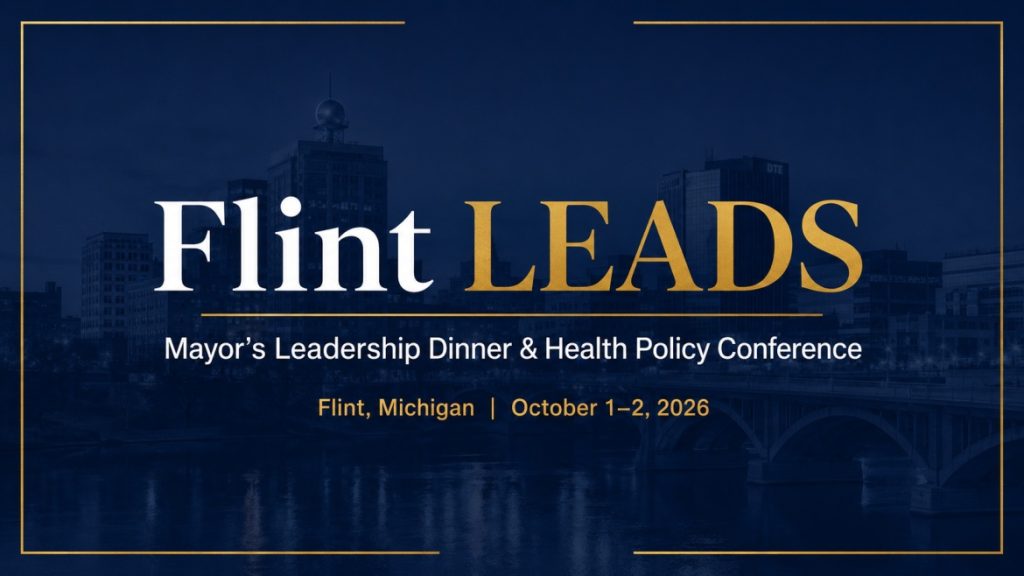
Flint was selected as one of the first implementation sites because of its history of environmental injustice, including the city’s water crisis, and longstanding concerns about chronic disease and cancer risk. NMQF leaders say the goal is not only to study innovative detection methods but also to build trust through sustained partnerships with residents who have often been overlooked in medical research. The Flint LEADS initiative represents that community-first approach. Through town halls, educational events, community enrollment activities, and partnerships with local organizations, residents have opportunities to learn about emerging cancer detection research, ask questions, and participate voluntarily in studies designed to improve understanding of cancer development before symptoms emerge. Eligible participants also receive guidance and follow-up support if additional testing is needed
“This technology represents a critical shift from reacting to disease to detecting it earlier—often before symptoms appear,” said Dr. Gary A. Puckrein, president and CEO of the National Minority Quality Forum, during the launch of the Flint initiative. “By pairing presymptomatic cancer detection with community trust, navigation, and follow-up care, we are building a model that helps communities like Flint move from late diagnosis to earlier, more effective intervention.”
The effort reflects growing scientific interest in multi-cancer early detection (MCED) blood tests. Unlike traditional screening tools that typically look for one cancer at a time, these emerging technologies analyze biological signals in the blood that may indicate the presence of several different cancers. Researchers caution that the tests are still being evaluated and are not intended to replace guideline-recommended screenings such as mammograms, colonoscopies, cervical cancer screening, or low-dose CT scans for eligible individuals. Instead, many experts view them as a potential complement to existing screening strategies as evidence continues to develop. Organizations including the American Cancer Society have emphasized that while early detection technologies are advancing rapidly, equitable access must remain a priority. Historically, communities of color have often been underrepresented in clinical research, creating gaps in knowledge about how new technologies perform across diverse populations. Programs like CSSI seek to address that challenge by involving communities directly in research while ensuring that participants receive education and support throughout the process.
The Flint initiative also highlights a broader shift in public health thinking. Instead of waiting for disease to appear, healthcare leaders are increasingly exploring prevention, risk monitoring, and earlier intervention as ways to improve long-term outcomes. For communities that have experienced environmental exposures or persistent healthcare inequities, that proactive approach could help identify risks sooner while generating data that informs future prevention strategies.
As enrollment continues in Flint, researchers hope the lessons learned will help expand similar models to other communities across the country. Whether emerging blood-based screening technologies ultimately become a routine part of cancer care will depend on continued scientific validation, regulatory review, and careful implementation. In the meantime, health experts continue to encourage people to stay up to date with recommended cancer screenings, discuss individual risk factors with their healthcare providers, and participate in research when appropriate. For Flint residents, the CSSI and Flint LEADS initiatives represent more than a research project—they reflect an effort to ensure that advances in cancer detection reach communities that have too often been the last to benefit from medical innovation.
Trending Topics

Features
- Drive Toolkit
Download and distribute powerful vaccination QI resources for your community.
- Health Champions
Sign up now to support health equity and sustainable health outcomes in your community.
- Cancer Early Detection
MCED tests use a simple blood draw to screen for many kinds of cancer at once.
- PR
FYHN is a bridge connecting health information providers to BIPOC communities in a trusted environment.
- Medicare
Discover an honest look at our Medicare system.
- Alliance for Representative Clinical Trials
ARC was launched to create a network of community clinicians to diversify and bring clinical trials to communities of color and other communities that have been underrepresented.
- Reducing Patient Risk
The single most important purpose of our healthcare system is to reduce patient risk for an acute event.
- Jessica Wilson
- Subash Kafle